

Cedarville University is a private Christian university located in Cedarville, Ohio, United States. It is well known for combining strong academic programs with a faith-based educational approach grounded in biblical values. The university attracts students who are seeking a rigorous academic experience within a Christ-centered campus environment.
The purpose of this guide is to provide a clear and detailed overview of Cedarville University’s cost structure and the factors that influence the overall expense of studying there. Understanding tuition, fees, scholarships, and living costs is essential for students and families when planning higher education, particularly at a private institution.
This article is designed for local U.S. students considering private Christian education, international students exploring faith-based universities in the United States, parents evaluating affordability and long-term value, and education consultants advising students on cost-conscious academic pathways.
Overview of the University

Background and Establishment
Cedarville University was founded in 1887 and has a long history of providing higher education rooted in Christian principles. Over time, it has evolved from a small liberal arts college into a comprehensive university offering a wide range of undergraduate and graduate programs while maintaining its original faith-based mission.
Vision, Mission, and Academic Philosophy
The university’s mission focuses on educating students academically, professionally, and spiritually. Its academic philosophy emphasizes integration of faith and learning, ethical leadership, service, and academic excellence. Students are encouraged to develop critical thinking skills while applying biblical principles to their chosen fields of study.
Reputation Within the UAE and Internationally
Cedarville University does not operate a campus in the UAE and is not regulated by UAE authorities such as MOE or KHDA. Internationally, it is recognized primarily among Christian academic communities and institutions. Degrees from Cedarville are generally accepted for employment and further study, subject to local credential evaluation requirements.
Campus Overview
Campus Location
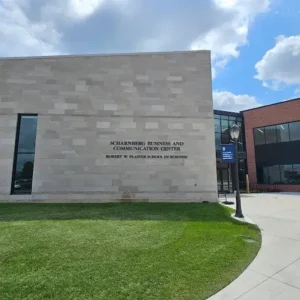
The campus is located in the village of Cedarville, Ohio, offering a quiet and close-knit academic environment. The location provides a focused learning atmosphere while remaining within reasonable distance of larger cities such as Dayton and Columbus.
Why the Campus Was Established
The campus was established to support a residential Christian learning community where students can grow academically and spiritually. Its development reflects the university’s emphasis on community life, mentorship, and holistic education.
Campus Environment and Learning Atmosphere
Cedarville’s campus environment is structured, supportive, and values-driven. The learning atmosphere encourages collaboration, faculty-student interaction, and engagement in campus life. Expectations regarding conduct and community standards contribute to a disciplined and purpose-driven academic culture.
Accreditation and Recognition
Cedarville University is accredited by recognized regional accrediting bodies in the United States, ensuring that its academic programs meet established quality standards. Individual programs such as engineering, nursing, business, and education may also hold specialized professional accreditations.
Degrees awarded by Cedarville University are recognized across the United States and internationally, subject to credential assessment and professional licensing requirements. Graduates are generally eligible for employment in both private and public sector roles, depending on field and location.
Colleges and Academic Programs Offered

College of Arts and Sciences
This college offers undergraduate programs in biology, chemistry, mathematics, psychology, English, history, political science, and social sciences. Graduate programs are available in select disciplines such as psychology and ministry-related fields. The focus is on strong foundational knowledge integrated with faith-based perspectives.
School of Engineering and Computer Science
Programs include mechanical engineering, electrical engineering, civil engineering, computer engineering, computer science, and information technology. These programs emphasize hands-on learning, design projects, and ethical engineering practices.
School of Business Administration
The business school offers undergraduate and graduate programs in accounting, finance, management, marketing, economics, and MBA options. Courses emphasize ethical leadership, analytical skills, and real-world application.
School of Education
Education programs prepare students for teaching careers at various levels. Programs combine classroom theory, practical teaching experience, and licensure preparation.
School of Nursing and Allied Health
Programs in nursing, pharmacy, and allied health fields focus on professional competence, patient care, and ethical responsibility. These programs often require specialized facilities, contributing to higher instructional costs.
School of Biblical and Theological Studies
This school offers undergraduate and graduate programs in biblical studies, theology, ministry, and missions. Programs are designed for students pursuing church leadership, counseling, or faith-based service careers.
Admission Requirements
Undergraduate Academic Requirements
Applicants must hold a recognized high school diploma or equivalent. Admissions decisions consider academic performance, course rigor, standardized test scores where applicable, personal statements, recommendations, and alignment with the university’s mission and values.
Postgraduate Degree and GPA Requirements
Graduate applicants must possess a recognized bachelor’s degree with a competitive GPA. Additional requirements may include entrance exams, professional experience, interviews, or writing samples, depending on the program.
English Language Requirements
International students must demonstrate English proficiency through IELTS, TOEFL, or equivalent examinations. Minimum scores vary by academic level and program.
Transfer Students
Transfer applicants are evaluated based on prior college coursework, academic performance, and course equivalency. Credits are reviewed individually to determine transfer eligibility.
Tuition Fees and Scholarships

Fee Structure Overview
As a private university, Cedarville University charges tuition that is higher than most public institutions. Tuition rates vary depending on program level and field of study. Programs requiring specialized equipment, laboratories, or clinical training may carry higher overall costs.
Additional Academic or Administrative Fees
Students should budget for additional expenses such as technology fees, laboratory fees, housing, meal plans, textbooks, health insurance, transportation, and personal living costs. These factors significantly affect the total cost of attendance.
Scholarships, Grants, and Discounts
Cedarville University offers a range of merit-based scholarships based on academic achievement, as well as need-based financial aid. Faith-based scholarships, departmental awards, and external funding options may also be available. International students may qualify for merit-based assistance, though financial aid availability is more limited compared to domestic students.
Campus Facilities and Student Life
The campus includes modern classrooms, science and engineering laboratories, libraries, computer centers, and specialized facilities for nursing and pharmacy programs. These resources support high-quality instruction and contribute to institutional costs.
Student services include academic advising, tutoring, counseling, health services, career guidance, and spiritual development programs. Support services are integrated into campus life to promote student success.
Student life features clubs, organizations, athletics, music ensembles, community service initiatives, and chapel services. Campus engagement is encouraged as part of personal and professional development.
Faculty and Teaching Approach
Faculty members are academically qualified, often holding terminal degrees in their fields, and are committed to teaching from a Christian worldview. Many faculty members have professional or industry experience, enhancing classroom relevance.
Teaching methods include lectures, discussions, laboratory work, project-based learning, internships, and service learning. Small class sizes allow for personalized instruction and mentorship.
Curricula are designed to align with professional standards while integrating ethical and faith-based perspectives, preparing students for both careers and graduate study.
Career Opportunities and Industry Connections
Cedarville University supports career development through internships, cooperative education opportunities, and partnerships with organizations aligned with its values. Students gain practical experience through placements, research projects, and service learning.
Career services assist with resume development, interview preparation, career planning, and employer networking. Graduates pursue careers in engineering, healthcare, education, business, ministry, and nonprofit sectors.
While starting salaries may vary by field, the university emphasizes long-term career preparation, ethical leadership, and service-oriented professional paths.
Why Choose This University?

Key advantages include a strong Christian academic environment, personalized education, disciplined campus culture, and emphasis on ethical leadership.
Cedarville is ideal for students seeking a faith-based education, structured campus life, and academically rigorous programs within a supportive community.
Pros and Cons
Pros
- Strong integration of faith and academics
- Supportive campus community and small class sizes
- Accredited programs with professional relevance
- Emphasis on ethical leadership and service
Cons
- Higher cost compared to public universities
- Limited financial aid options for international students
- Structured campus policies may not suit all students
Frequently Asked Questions
Q1. Is the university accredited?
A. Yes, Cedarville University is accredited by recognized U.S. accrediting bodies.
Q2. Are degrees internationally recognized?
A. Yes, degrees are generally recognized internationally, subject to credential evaluation.
Q3. Can international students apply?
A. Yes, international students are eligible to apply to undergraduate and graduate programs.
Q4. Is accommodation available?
A. Yes, on campus housing is available for undergraduate students, with limited options for graduate students.
Conclusion
Cedarville University offers a comprehensive, faith-based education supported by strong academics, dedicated faculty, and a structured campus environment. While the cost of attendance is higher than public institutions, it reflects the personalized instruction, facilities, and values-driven education provided.
Prospective students and families should carefully consider tuition, additional expenses, and available financial aid when evaluating Cedarville University. Visiting the campus, reviewing scholarship opportunities, and speaking with admissions advisors can help determine whether the university aligns with academic, spiritual, and financial goals. Interested students are encouraged to apply, request additional information, or schedule a campus visit to make an informed decision.