

Case Western Reserve University is a private research university located in Cleveland, Ohio, United States. It is widely known for its strong emphasis on research, innovation, and interdisciplinary education, particularly in science, engineering, medicine, business, and law. The university consistently attracts high-achieving students from the United States and around the world who are seeking academically rigorous programs supported by advanced facilities and faculty expertise.
The purpose of this guide is to provide a comprehensive and realistic overview of the cost of studying at Case Western Reserve University and the factors that influence overall expenses. While tuition and fees are an important consideration, understanding the broader financial picture, including scholarships, living costs, and long-term value, is essential for informed decision-making.
This article is intended for local U.S. students evaluating private university options, international students planning to study in the United States, parents assessing affordability and return on investment, and education consultants advising students on financially sustainable study pathways.
Overview of the University

Background and Establishment
Case Western Reserve University was formed in 1967 through the federation of Case Institute of Technology and Western Reserve University, both institutions with histories dating back to the 19th century. The merger combined strengths in engineering, science, medicine, and liberal arts, creating a comprehensive research university with a strong interdisciplinary focus.
Vision, Mission, and Academic Philosophy
The university’s mission centers on improving lives through research, education, and creative endeavors. Its academic philosophy emphasizes inquiry-based learning, collaboration across disciplines, and the application of knowledge to real-world challenges. Students are encouraged to engage in research early in their academic careers, a factor that significantly shapes the educational experience and resource investment.
Reputation Within the UAE and Internationally
Case Western Reserve University does not operate a campus in the UAE and is not regulated by UAE authorities such as MOE or KHDA. Internationally, it holds a strong reputation as a research-intensive U.S. institution, particularly in engineering, medicine, health sciences, and management. Degrees from the university are generally well recognized worldwide, especially for graduate study and professional careers.
Campus Overview
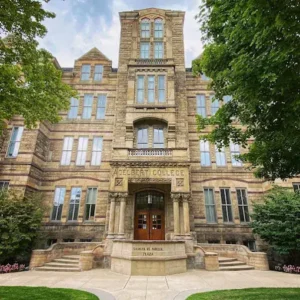
Campus Location
The main campus is located in Cleveland’s University Circle, a major academic and cultural district that includes hospitals, museums, research centers, and cultural institutions. This location provides students with access to internships, research partnerships, and employment opportunities while maintaining a dedicated academic environment.
Why the Campus Was Established
The campus developed around the idea of integrating education, research, and community engagement. Its proximity to healthcare institutions and research centers reflects the university’s commitment to applied learning and innovation.
Campus Environment and Learning Atmosphere
The campus environment is academically focused, research-driven, and collaborative. Students benefit from modern laboratories, research facilities, libraries, and learning spaces. While academically demanding, the atmosphere supports intellectual curiosity, mentorship, and interdisciplinary exploration.
Accreditation and Recognition
Case Western Reserve University is fully accredited by recognized regional accrediting bodies in the United States. Its individual programs, such as engineering, business, law, medicine, and nursing, also hold specialized professional accreditations where applicable.
Degrees awarded by the university are recognized throughout the United States and internationally, subject to local credential evaluation and professional licensing requirements. Graduates are well positioned for employment in government, private sector organizations, research institutions, and multinational companies.
Colleges and Academic Programs Offered
Case School of Engineering
This school offers undergraduate and postgraduate programs in biomedical engineering, chemical engineering, civil engineering, electrical engineering, computer engineering, mechanical engineering, and systems and control engineering. Programs emphasize research, design, and industry collaboration.
College of Arts and Sciences
The College of Arts and Sciences provides a wide range of undergraduate and graduate programs in natural sciences, social sciences, humanities, and mathematics. Popular fields include biology, chemistry, physics, economics, psychology, data science, and political science.
Weatherhead School of Management
Weatherhead offers undergraduate, MBA, and specialized master’s programs in management-related fields such as finance, marketing, entrepreneurship, supply chain management, and organizational leadership. The school is known for experiential learning and analytical rigor.
School of Medicine
The School of Medicine offers medical education, biomedical research programs, and graduate degrees in health-related disciplines. It is closely connected to major healthcare institutions, enhancing both academic quality and cost due to specialized resources.
School of Law
The law school provides professional legal education with a focus on experiential learning, public service, and global legal perspectives.
Other Graduate and Professional Schools
Additional schools include nursing, dental medicine, social work, and public health, each contributing to the university’s comprehensive academic structure.
Admission Requirements
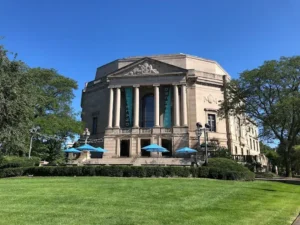
Undergraduate Academic Requirements
Applicants must hold a recognized high school diploma or equivalent qualification. Admissions are highly selective and consider academic performance, course rigor, standardized test scores where applicable, essays, recommendations, and extracurricular involvement.
Postgraduate Degree and GPA Requirements
Graduate applicants must possess a recognized bachelor’s degree with a competitive GPA. Additional requirements may include standardized test scores, professional experience, research background, portfolios, or interviews, depending on the program.
English Language Requirements
International students are required to demonstrate English language proficiency through IELTS, TOEFL, or equivalent examinations. Minimum scores vary by program and academic level.
Transfer Students
Transfer applicants are evaluated based on prior university coursework, academic performance, and course equivalency. Credit transfer is assessed on a case-by-case basis.
Tuition Fees and Scholarships
Fee Structure Overview
As a private research university, Case Western Reserve University has a higher tuition structure compared to public institutions. Tuition varies by program, level of study, and enrollment status. Professional and research-intensive programs generally carry higher costs due to specialized facilities and faculty resources.
Additional Academic or Administrative Fees
Students should budget for additional expenses such as registration fees, technology fees, laboratory fees, health insurance, housing, meals, books, transportation, and personal living costs. These expenses contribute significantly to the total cost of attendance.
Scholarships, Grants, and Discounts
The university offers merit-based scholarships for undergraduate students, need-based financial aid, and institutional grants. Graduate funding may include fellowships, research assistantships, teaching assistantships, and external scholarships. International students may qualify for merit-based awards, though need-based aid is more limited.
Campus Facilities and Student Life
Academic facilities include advanced laboratories, research centers, libraries, computer labs, and collaborative study spaces. These facilities reflect the university’s research focus and contribute to overall educational costs.
Student services include academic advising, tutoring, writing support, career counseling, mental health services, health clinics, and international student support offices.
Student life features clubs, cultural organizations, research groups, community service initiatives, and recreational activities. While the campus is academically intensive, students have opportunities for balanced engagement outside the classroom.
Faculty and Teaching Approach
Faculty members are highly qualified, often holding doctoral degrees and actively engaged in research, clinical practice, or industry collaboration. Their involvement in research projects enhances teaching quality but also contributes to institutional costs.
Teaching methods include lectures, seminars, laboratory work, project-based learning, research participation, and experiential education. Students are encouraged to work closely with faculty on research and innovation initiatives.
Curricula are designed to remain aligned with industry standards, technological advancements, and graduate or professional school expectations.
Career Opportunities and Industry Connections

Case Western Reserve University maintains strong connections with hospitals, research institutions, corporations, startups, and nonprofit organizations. Students have access to internships, cooperative education, research placements, and industry-sponsored projects.
Career services support students through career exploration, resume and interview preparation, job search strategies, and employer networking events. Graduates often pursue careers in engineering, healthcare, research, business, consulting, and academia.
The long-term career outcomes and earning potential associated with degrees from the university are often cited as a justification for the higher cost of attendance.
Why Choose This University?

Key advantages include strong research opportunities, interdisciplinary education, highly ranked professional programs, and access to industry and healthcare networks.
The university is ideal for students seeking academically challenging programs, research involvement, and long-term career advancement in specialized or professional fields.
Pros and Cons
Pros
Strong academic and research reputation
Access to advanced facilities and faculty expertise
High employability and graduate school placement
Extensive industry and healthcare connections
Cons
High tuition and overall cost of attendance
Competitive and academically demanding environment
Limited need-based aid for international students
Frequently Asked Questions
Q1. Is the university accredited?
A. Yes, Case Western Reserve University is fully accredited by recognized U.S. accrediting bodies.
Q2. Are degrees internationally recognized?
A. Yes, degrees are widely recognized internationally, subject to local credential evaluation.
Q3. Can international students apply?
A. Yes, international students are welcome to apply to undergraduate and postgraduate programs.
Q4. Is accommodation available?
A. Yes, on campus housing is available for undergraduate students, with off-campus options for graduate students.
Conclusion
Case Western Reserve University offers a high-quality, research-driven education supported by extensive academic resources and industry connections. While the cost of attendance is significant, it reflects the university’s investment in facilities, faculty, and student opportunities.
Prospective students should carefully evaluate tuition, living expenses, financial aid options, and long-term career outcomes when considering the university. Visiting the campus, reviewing scholarship opportunities, and consulting with academic advisors can help students and families make informed decisions. Those interested are encouraged to apply, explore program details, and request additional information to determine whether Case Western Reserve University aligns with their academic and financial goals.