Academic Writing

Top Criminology Schools in California: A Student Guide

Top Criminology Schools in California: A Student Guide

Choosing where to study criminology is not just about rankings, it’s about fit, academic rigor, and long-term goals. Many students in Ohio who plan careers in law, justice, or public policy look toward California because of its strong criminology programs and real-world exposure. Understanding how top criminology schools in California differ helps students make informed, realistic academic decisions before applications and deadlines collide. Why Criminology Attracts Students Nationwide Criminology sits at the intersection of law, sociology, psychology, and public policy. It attracts students who want to understand crime patterns, social behavior, justice systems, and reform. For Ohio students, the appeal often includes: Broader academic specialization Access to diverse case studies Nationally recognized faculty Graduate and research opportunities California’s academic environment supports all of these interests. Exploring real-world career skills in criminology programs helps Ohio students connect academic learning with future job opportunities. Understanding Criminology as an Academic Discipline Criminology is not simply criminal justice under a different name. While related, criminology focuses more on why crime happens, not just how systems respond. Core areas of study include: Crime theory Social inequality Legal systems Research methods Ethics and policy Strong programs emphasize analytical thinking and evidence-based reasoning. Why California Is a Hub for Criminology Studies California offers a unique academic setting due to: Diverse populations Large urban centers Complex legal systems Active criminal justice research This environment allows students to study crime from multiple perspectives, supported by real-world data and policy debates. How Ohio Students Typically Approach Out-of-State Programs Students in Ohio often compare California schools with Midwest options, weighing: Tuition and residency rules Academic reputation Internship access Career outcomes Understanding these factors early reduces stress later in the application process. What Defines the Top Criminology Schools in California While rankings vary, strong programs usually share common qualities. Faculty Expertise and Research Focus Top schools employ faculty actively researching: Crime prevention Justice reform Data analysis Social behavior This research often informs course content, giving students current perspectives. Curriculum Depth and Flexibility Strong criminology programs offer: Core theoretical courses Electives in law, sociology, or psychology Research-focused classes Flexibility allows students to shape their academic paths. Access to Internships and Fieldwork Many top criminology schools in California partner with: Courts Policy institutes Community organizations These experiences strengthen resumes and graduate school applications. Using a compare and contrast essay outline can help students analyze different criminology programs and highlight strengths and weaknesses effectively. Overview of Leading Criminology Programs in California Rather than ranking schools numerically, it’s more useful to understand their academic strengths. Research-Oriented Universities Large research universities often emphasize: Statistical analysis Theory development Policy evaluation These programs suit students planning graduate study or research careers. Applied Criminology Programs Some schools focus on practical applications: Criminal justice systems Corrections Community interventions These programs appeal to students seeking immediate workforce entry. Liberal Arts Colleges With Criminology Tracks Smaller institutions may offer: Interdisciplinary majors Close faculty mentorship Writing-intensive coursework These environments support students who value discussion and analysis. Academic Expectations at California Criminology Schools Students often underestimate academic rigor. Common expectations include: Research papers Case analyses Data interpretation Ethical reasoning Strong writing skills are essential across all programs. Understanding controversial conversation starters can assist students in framing criminology topics for class discussions or persuasive writing assignments. Writing Demands in Criminology Programs Criminology courses rely heavily on academic writing. Types of Assignments Students Encounter Assignments often include: Analytical essays Policy briefs Literature reviews Research proposals Each requires clarity, structure, and evidence-based arguments. Why Writing Quality Affects Grades Significantly Professors evaluate not just ideas, but how well they’re communicated. Clear structure, proper citations, and logical flow are critical. US Academic Standards and Citation Practices Most programs follow US academic conventions, often requiring: APA or ASA style Proper source evaluation Ethical research practices Errors here can significantly lower grades. Comparing California Programs to Ohio Institutions Ohio schools offer strong criminology programs, but California provides: Broader research exposure Larger datasets National policy relevance This comparison helps students decide whether relocating aligns with their goals. Financial and Academic Planning Considerations Studying out of state requires careful preparation. Tuition, Residency, and Budgeting California tuition can be higher for non-residents. Students must plan: Financial aid applications Housing costs Living expenses Early planning prevents last-minute stress. Admission Requirements and Academic Readiness Top criminology schools in California often require: Strong GPAs Clear personal statements Writing samples Preparation time directly affects outcomes. Common Challenges Faced by Criminology Students Even motivated students face obstacles. Balancing Theory With Practical Understanding Students may struggle to connect abstract theory with real-world cases. Strong analytical writing bridges this gap. Knowing the purpose of narrative writing allows students to incorporate storytelling techniques when illustrating criminology case studies or research findings. Managing Heavy Reading Loads Criminology courses assign extensive reading. Efficient note-taking and synthesis are essential. Handling Tight Deadlines Across Multiple Courses Time management becomes critical, especially during midterms and finals. Why Academic Writing Support Becomes Important As coursework intensifies, many students seek guidance to: Clarify assignment expectations Improve structure and flow Meet citation standards Support focuses on skill development, not shortcuts. Ethical Academic Assistance: What It Means Responsible academic help involves: Editing and feedback Structural guidance Research clarification It supports learning while respecting academic integrity. How Ohio-Based Students Use Writing Support Strategically Ohio students applying to or studying in California programs often seek help during: Application essay preparation Research-heavy semesters High-pressure deadlines This proactive approach reduces burnout. FAQs Q1. What makes California criminology programs stand out? A. They offer diverse research opportunities and real-world policy exposure. Q2. Is criminology more theoretical or practical? A. It depends on the program; many combine both approaches. Q3. Do criminology programs require strong writing skills? A. Yes, writing is central to assessment and grading. Q4. Can Ohio students succeed in California programs? A. Absolutely, with proper academic preparation and support. Q5. Are internships important in criminology studies? A. Yes, they provide practical experience and career insight. Final Thoughts Exploring the top criminology schools in California helps students align ambition with preparation. With competitive admissions, rigorous … Read more

Science Fair Project Research Paper Examples Explained

Science Fair Project Research Paper Examples

Science fairs often feel exciting at first, then overwhelming once the research paper requirements appear. For many students in Ohio, the experiment is only half the challenge, the real academic pressure comes from explaining that work clearly, correctly, and according to US academic standards. Understanding science fair project research paper examples helps students move from scattered notes to a polished, credible paper. Why the Research Paper Matters as Much as the Experiment Science fairs are not just about results; they assess thinking, method, and communication. Judges and instructors want to see whether a student understands why something happened, not just what happened. Studying a case study analysis example can guide students in structuring their discussion and connecting findings to broader scientific concepts. A strong research paper demonstrates: Scientific reasoning Research discipline Clear academic writing Ethical use of sources Across Ohio middle schools, high schools, and early college programs, this paper often carries equal or greater weight than the physical project. What a Science Fair Research Paper Is (and Is Not) Before reviewing science fair project research paper examples, students need clarity on purpose. A research paper is: A formal explanation of the scientific process Evidence of background research A logical interpretation of results It is not: A lab report copy A personal reflection A step-by-step experiment log Understanding this distinction immediately improves structure and grading outcomes. How Science Fair Research Papers Differ From Regular Essays Science fair papers follow a different logic than narrative or persuasive essays. Key differences include: Objective tone instead of opinion Data-supported claims Structured sections rather than flowing argument Students transitioning from English essays to science writing often struggle here, especially without examples to guide them. Core Structure Found in Strong Science Fair Project Research Paper Examples Well-written papers almost always follow a predictable structure. Judges rely on this consistency. Title Page and Abstract: First Impressions Matter Title Page A good title is specific and descriptive, not creative or vague. Abstract The abstract briefly explains: The research question The method The outcome It should be clear enough that a judge understands the project in under a minute. Introduction: Establishing Scientific Context The introduction answers one main question: Why does this experiment matter? Strong introductions include: Background research Clear problem definition Purpose of the study Ohio students often lose points by skipping context and jumping straight into procedures. Research Question and Hypothesis This section shows whether the student understands scientific logic. A strong hypothesis: Is testable Is based on research Predicts an outcome logically Science fair project research paper examples consistently show hypotheses grounded in prior studies, not guesses. Using correct writing statements ensures that explanations of methods and results are precise and professionally communicated. Methodology: Explaining the Process Clearly This section should allow someone else to replicate the experiment. Include: Materials used Step-by-step procedures Variables controlled Clarity matters more than length. Overcomplication often leads to confusion. Data Collection and Results This section presents findings without interpretation. Best practices include: Tables or summarized data Clear labeling Neutral language Avoid emotional reactions to results, objectivity is key. Discussion: Making Sense of the Results This is where many students struggle most. A strong discussion: Explains why results occurred Connects findings to the hypothesis References earlier research Judges look for reasoning, not perfection. Conclusion: Scientific Learning, Not Just Outcomes Effective conclusions: Restate the purpose Summarize findings Suggest future research Even unexpected results can earn high marks if explained thoughtfully. References and Citations: Academic Integrity Matters US academic standards require proper citations, even at early grade levels. Common expectations: Consistent citation style Credible sources No copy-paste text Plagiarism concerns are taken seriously across Ohio schools. What Judges Look for When Reviewing Research Papers Understanding evaluation criteria reduces anxiety. Judges typically assess: Scientific accuracy Organization Writing clarity Research depth Science fair project research paper examples that score well balance clarity with discipline. Common Writing Challenges Students Face Even strong students encounter obstacles. Turning Research Notes Into Academic Writing Many students collect excellent sources but struggle to synthesize them. The key is explaining ideas in your own academic voice. Many students lose marks on science fair research papers when key sections like the discussion or conclusion are unclear or incomplete. Balancing Simplicity and Precision Overly complex language often weakens clarity. Scientific writing values precision over sophistication. Staying Objective When Results Are Unexpected Unexpected outcomes are not failures. Judges care more about reasoning than confirmation. How Ohio Academic Expectations Shape Science Writing Ohio educators often emphasize: Clear structure Ethical research practices Alignment with US science standards This makes consistency and format especially important. Using Science Fair Project Research Paper Examples Ethically Examples are learning tools, not templates to copy. Ethical use includes: Studying structure Understanding tone Adapting ideas, not language This approach builds skill while avoiding academic misconduct. How Early Preparation Reduces Academic Stress Many students rush writing after completing experiments. Starting the paper early allows time for revision, feedback, and clarity, key factors in higher scores. When Students Typically Seek Help Students often look for support when: Deadlines approach quickly Feedback is unclear Writing feels overwhelming Guidance at this stage can prevent rushed submissions. Ethical Academic Writing Support: What It Looks Like Responsible academic assistance focuses on: Structuring ideas Improving clarity Explaining expectations It supports learning rather than replacing student effort. Addressing time management challenges is crucial when balancing experiments, data collection, and writing deadlines for science fair projects. FAQs Q1. What is the purpose of a science fair research paper? A. It explains the reasoning, research, and results behind the experiment. Q2. How long should a science fair research paper be? A. Length varies, but clarity and completeness matter more than word count. Q3. Can I use online sources for my paper? A. Yes, as long as they are credible and properly cited. Q4. Are examples allowed during preparation? A. Yes, examples help students understand structure and expectations. Q5. What is the most common mistake students make? A. Skipping explanations and focusing only on results. Final Thoughts Science fair project research … Read more

Persuasive Speech Topics on Social Media for Students

Persuasive Speech Topics on Social Media for Students

Social media shapes how students communicate, learn, and form opinions, especially across Ohio campuses and online classrooms. When instructors assign persuasive speeches on this topic, they expect more than opinions; they expect reasoning, structure, and awareness of real-world impact. Understanding how to approach persuasive speech topics social media can make the difference between an average grade and a standout performance. Why Social Media Is a Popular Persuasive Speech Topic Professors across US colleges often choose social media as a persuasive speech theme because it is relevant, debatable, and layered. Students already interact with platforms daily, but few analyze them critically in an academic way. Using powerful hook ideas at the start of a speech captures the audience’s attention and sets the tone for effective persuasion. This topic allows instructors to assess: Critical thinking Ethical reasoning Audience awareness Argument development For Ohio students balancing coursework, jobs, and online learning, social media is not abstract, it directly affects daily academic life. What Makes a Persuasive Speech Different From an Essay Before choosing a topic, it helps to understand how persuasive speeches differ from essays. A persuasive speech must: Sound natural when spoken aloud Engage listeners quickly Use clear, memorable arguments Anticipate audience objections Unlike essays, speeches rely heavily on tone, pacing, and clarity. This makes topic selection even more important. How to Choose the Right Social Media Topic Not all persuasive speech topics social media-focused are equally effective. Strong topics are specific, debatable, and relevant to the audience. Weak Topic Examples “Social media is good for society” “Social media is bad” These are too broad and lack focus. Strong Topic Examples Should universities regulate student social media behavior? Does social media harm academic focus more than it helps learning? Should social media platforms be responsible for misinformation among students? Specific angles lead to stronger persuasion. Understanding Your Audience: A Key Academic Skill Ohio classrooms often include: Traditional undergraduates Adult learners Online students International students A persuasive speech should consider shared experiences. For example, discussing how social media affects assignment deadlines or class participation resonates more than abstract theory. Core Categories of Persuasive Speech Topics Social Media Organizing topics into categories helps students choose strategically. Academic Performance and Social Media These topics connect directly to student life and academic expectations. Topic Ideas Does social media reduce attention during lectures? Should phones be restricted in college classrooms? Can social media improve collaborative learning when used correctly? These topics work well because they reflect real Ohio campus experiences. Mental Health and Student Well-Being Mental health is discussed carefully in US academic settings and must be approached with sensitivity. Topic Ideas Does social media increase academic anxiety among students? Should universities offer guidance on healthy social media use? Are comparison culture and academic pressure connected online? When handled responsibly, these topics show maturity and ethical awareness. Privacy, Data, and Student Rights Privacy is a strong persuasive angle because it affects every user. Topic Ideas Should students be concerned about data collection on social media? Do social platforms respect student privacy? Should US colleges educate students about digital privacy? These topics allow logical argumentation without emotional exaggeration. Misinformation and Critical Thinking This category fits well in communication, sociology, and media studies courses. Topic Ideas Does social media weaken critical thinking among students? Should colleges teach digital literacy as a core requirement? Are students responsible for verifying online academic content? These topics align well with US academic standards. Crafting correct writing statements ensures that arguments in a persuasive speech are clear, professional, and academically credible. Social Media and Professional Identity Ohio students preparing for careers often underestimate how social media affects employability. Topic Ideas Should students treat social media as part of their professional identity? Can social media harm future career opportunities? Should colleges guide students on online professionalism? These topics feel practical and forward-looking. Structuring a Persuasive Speech on Social Media Even strong topics fail without structure. Opening: Grabbing Attention Quickly Effective openings may include: A relatable scenario A thought-provoking question A brief, realistic example Avoid shocking statistics or dramatic claims unless clearly explained. Clear Position Statement Your audience should understand your stance within the first minute. A clear position builds trust and clarity. Building Strong Arguments Each argument should: Support your main position Be easy to follow when spoken Connect to student experience Three well-developed points are usually enough. Addressing Counterarguments Acknowledging opposing views strengthens credibility. For example: Recognize benefits of social media before explaining its drawbacks Show balance rather than bias This demonstrates academic maturity. Closing With Purpose A strong conclusion: Restates the position Leaves the audience thinking Avoids exaggerated calls to action Persuasion in academics is about reasoning, not pressure. Many students lose marks when persuasive speeches lack structure or fail to anticipate counterarguments, highlighting the need for careful preparation. Common Mistakes Students Make Understanding mistakes helps avoid grade loss. Choosing Topics That Are Too Broad Broad topics weaken persuasion and confuse listeners. Sounding Like a Debate Instead of a Speech Academic speeches should inform and persuade, not attack opposing views. Overloading With Examples Too many examples dilute your message. Choose clarity over quantity. Ignoring Time Limits Many Ohio instructors enforce strict timing. Topic depth must match allotted time. How Instructors Typically Evaluate These Speeches Most grading rubrics include: Topic relevance Argument clarity Audience engagement Organization Delivery readiness Understanding this helps students prepare strategically. Adapting Topics for Online Presentations Online classes are common across Ohio colleges. For virtual speeches: Choose topics that translate well digitally Avoid heavy reliance on visuals Keep language clear and conversational This ensures your message remains effective. Ethical Academic Support for Speech Preparation Students often seek guidance when balancing multiple deadlines. Appropriate academic support includes: Topic refinement Argument organization Clarity improvement Academic tone guidance Ethical help supports student learning rather than replacing it. Why Social Media Topics Can Feel Overwhelming Students often struggle because: They feel emotionally invested They fear sounding judgmental They lack structure A clear framework reduces stress and improves confidence. Managing college assignments effectively allows students … Read more

How to Write an Effective Problem and Solution Essay

How to Write an Effective Problem and Solution Essay

Many students across Ohio are asked to write an essay for problem and solution without clear guidance on what instructors actually expect. This essay type looks simple, but doing it well requires analysis, structure, and realistic thinking. When done correctly, it shows strong critical thinking, something US colleges value deeply. Addressing time management challenges is essential when drafting a problem and solution essay under tight deadlines. What Is a Problem and Solution Essay? An essay for problem and solution focuses on identifying a specific issue, explaining why it matters, and proposing one or more realistic solutions. The goal is not just to complain about a problem, but to demonstrate thoughtful reasoning and practical judgment. In US academic standards, this essay type tests whether students can: Analyze real-world or academic issues Evaluate causes and consequences Propose logical, well-supported solutions It is commonly assigned in composition courses, social sciences, education programs, and professional studies. Why This Essay Type Matters in US Colleges Ohio universities and community colleges use problem-and-solution essays to assess how students think, not just how they write. Professors want to see whether you can move beyond surface-level opinions and approach challenges with structure and clarity. This essay format mirrors real academic and professional tasks, such as: Policy analysis Research proposals Case studies Workplace problem-solving reports Learning it early gives students a long-term advantage. Understanding the Core Purpose Before You Write Before drafting anything, students must understand the purpose of their essay for problem and solution. The assignment is not about listing multiple problems or offering vague advice. A strong essay does three things clearly: Defines a focused, specific problem Explains why the problem exists and who it affects Presents solutions that are realistic, ethical, and relevant Without this clarity, essays often lose direction and marks. Choosing the Right Problem: Where Students Go Wrong One of the biggest mistakes Ohio students make is choosing problems that are too broad. Examples of Weak Problem Choices “Climate change is a global issue” “College is stressful” “Social media is harmful” These topics are too large for a single academic essay. Stronger, Focused Problem Choices Time-management challenges among first-year college students Burnout caused by overlapping assignment deadlines in US colleges Limited access to academic support for online learners in Ohio A narrow focus allows deeper analysis and stronger solutions. Structuring an Essay for Problem and Solution Clear structure is essential. Professors expect logical flow and balanced coverage of both the problem and the solution. Introduction: Setting Context Without Overexplaining The introduction should: Briefly introduce the issue Explain why it matters in an academic or real-world context End with a clear thesis that mentions both the problem and the solution Avoid emotional language or exaggerated claims. Explaining the Problem in Depth This section forms the foundation of the essay. What Instructors Look For Clear definition of the problem Context (who is affected, where, and why) Causes and consequences For example, when discussing assignment overload among Ohio college students, explain how overlapping deadlines, part-time jobs, and online coursework contribute to the issue. Using Evidence Without Overloading the Reader An effective essay for problem and solution uses evidence strategically. Acceptable academic support includes: Course materials Academic concepts General research trends Logical examples based on student experience The goal is explanation, not data dumping. Examining a case study analysis example can guide students in supporting their proposed solutions with clear reasoning and evidence. Transitioning From Problem to Solution This transition is critical and often weak in student essays. Use language that signals movement, such as: “To address this issue…” “One practical approach involves…” “A realistic solution must consider…” This keeps the essay cohesive and reader-focused. Presenting Strong, Realistic Solutions Solutions should be: Directly connected to the problem Feasible within the given context Ethically sound Avoid suggesting solutions that require unrealistic funding, authority, or time. One Strong Solution vs Multiple Weak Ones In many cases, one well-developed solution is better than three shallow ones. A strong solution includes: Explanation of how it works Why it addresses the root cause Possible limitations or challenges This shows maturity in academic reasoning. Addressing Possible Challenges or Objections Higher-level problem and solution essays briefly acknowledge limitations. For example: Time constraints Institutional policies Student motivation Addressing these does not weaken the essay, it strengthens credibility. Maintaining an Academic Yet Accessible Tone Ohio instructors expect clarity and professionalism. Avoid: Casual slang Emotional exaggeration Absolutes like “always” or “never” Aim for calm, reasoned explanation that reflects academic confidence. Common Mistakes That Lower Grades Understanding common pitfalls can help students avoid unnecessary revisions. Offering Solutions That Don’t Match the Problem For example, suggesting “better technology” for a problem rooted in time management shows weak analysis. Writing More About the Problem Than the Solution A problem and solution essay must balance both sections. Spending 70% on the problem often leads to low scores. Using Personal Opinion Without Analysis Statements like “I think this is unfair” must be supported with reasoning and explanation. How Professors in Ohio Typically Grade This Essay While grading rubrics vary, most Ohio colleges assess: Clarity of the problem Logical flow Strength of solutions Organization and coherence Adherence to US academic writing standards Understanding this helps students write with purpose. Using correct writing statements ensures that arguments and solutions in your essay are communicated accurately and professionally. Explanation A problem and solution essay explains an issue and shows how to fix it. It focuses on thinking, not complaining. Good essays offer realistic, well-explained solutions. These are the expectations instructors have, even if they don’t say them directly. Managing Time When Deadlines Are Tight Many students wait too long to start this essay type because it feels “simple.” In reality, it requires planning. A practical approach includes: Outlining the problem first Drafting the solution separately Revising for balance and clarity This prevents rushed, uneven writing. Ethical Academic Support: What Help Is Appropriate? Seeking guidance is common, especially when juggling multiple deadlines. Ethical academic support includes: Help with structure and clarity Feedback on logic and flow … Read more

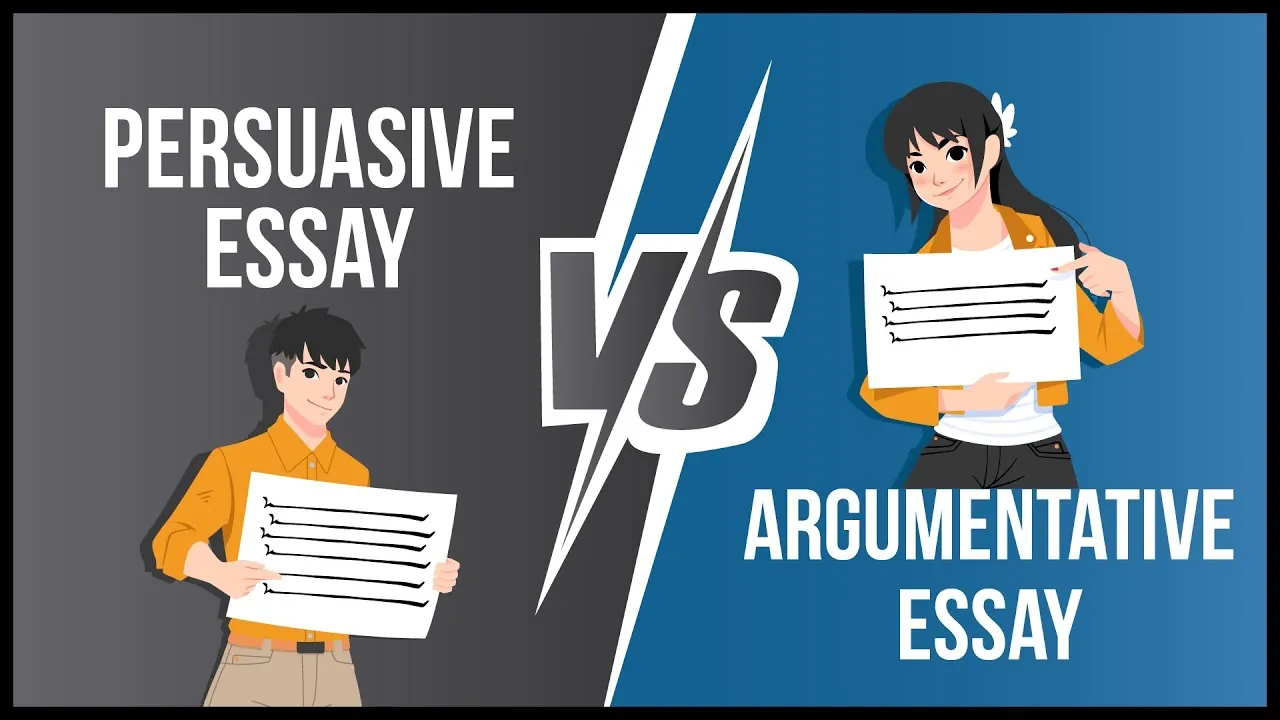
Persuasive Essay vs Argumentative Essay Explained

Persuasive Essay vs Argumentative Essay

Many students in Ohio struggle to understand the difference between a persuasive essay and argumentative essay, especially when deadlines are tight and grading rubrics feel unclear. These two essay types look similar on the surface, but they serve different academic purposes and require different writing strategies. Understanding the distinction early can save time, reduce revisions, and significantly improve grades. Using powerful hook ideas at the beginning of your essay helps grab the reader’s attention, whether the assignment is persuasive or argumentative. Why This Confusion Is So Common in US Classrooms In US academic writing, especially at high school and college levels, instructors often expect students to already know essay categories. Unfortunately, assignment prompts don’t always explain which approach is required. Ohio students frequently encounter confusion because: Both essays aim to influence the reader Both involve claims and supporting points Both are common in humanities and social science courses Yet the expectations behind each type are not the same. What Is a Persuasive Essay? A persuasive essay focuses on convincing the reader to agree with a specific opinion or viewpoint. The writer’s primary goal is influence, not debate. Core Purpose of a Persuasive Essay Persuasive writing appeals to: Logic Emotion Credibility The writer takes a clear position and builds momentum toward agreement. For example, a persuasive essay might encourage readers to support renewable energy policies or adopt better time-management habits as students. Tone and Voice in Persuasive Writing Persuasive essays allow for a more expressive tone. Common characteristics include: Confident language Strategic emotional appeal Direct calls to agreement This style is often used in early college writing, opinion-based assignments, and reflective coursework. What Is an Argumentative Essay? An argumentative essay is grounded in evidence, balance, and critical reasoning. Its goal is not just to persuade, but to prove a claim through structured analysis. Core Purpose of an Argumentative Essay Argumentative writing emphasizes: Research-based claims Consideration of opposing views Logical structure Rather than simply stating an opinion, the writer demonstrates why their position is valid within an academic debate. Understanding definition essay structure can guide students in organizing their thoughts and supporting claims effectively. Tone and Voice in Argumentative Writing Argumentative essays require a more neutral, academic tone. Writers are expected to: Acknowledge counterarguments Use credible sources Avoid emotional language This format is common in Ohio colleges, especially in sociology, political science, philosophy, and advanced English courses. Key Differences Between Persuasive Essay and Argumentative Essay Although both aim to influence thinking, their foundations differ. Evidence vs Emotion A persuasive essay may rely on: Personal examples Ethical reasoning Emotional resonance An argumentative essay relies on: Peer-reviewed sources Data and studies Logical reasoning Both are valid, but instructors expect different support. Role of Counterarguments Persuasive essays may briefly mention opposing views, but they are not central. Argumentative essays must: Present counterarguments fairly Address them logically Strengthen the main claim through rebuttal Ignoring opposing views in an argumentative essay often leads to lower grades. Structural Expectations Persuasive essays often follow a flexible structure focused on impact. Argumentative essays typically include: A clear thesis Background context Evidence-based body paragraphs Counterargument and rebuttal sections Structure is part of the grading criteria. When Professors Expect One Over the Other Understanding instructor intent is critical. Assignment Language Matters Clues in prompts include words like: “Convince,” “argue for,” or “influence” → persuasive “Analyze,” “evaluate,” or “assess” → argumentative Ohio instructors often expect students to recognize these signals independently. Managing college assignments efficiently, especially under tight deadlines, reduces stress and improves the quality of both persuasive and argumentative essays. Course Level Expectations High school and introductory college courses often favor persuasive essays Upper-level college courses usually require argumentative essays The higher the academic level, the stronger the emphasis on research and balance. Choosing the Wrong Essay Type: Why It Hurts Grades Even strong writing can score poorly if the essay type is incorrect. Common consequences include: Instructor comments about weak analysis Lost marks for missing counterarguments Feedback stating the essay is “too opinion-based” This is one of the most common issues academic writing consultants see among Ohio students. How Research Expectations Differ Research depth varies significantly between the two formats. Research in Persuasive Essays Sources may include: General articles Examples Widely accepted facts The focus is supporting a viewpoint, not exploring a debate. Research in Argumentative Essays Sources are expected to be: Scholarly Current Credible Writers must integrate research smoothly and accurately, following US citation standards. Citation and Academic Integrity Both essay types require proper citation, but argumentative essays are scrutinized more closely for source quality. Incorrect or weak sources can undermine the entire argument. Common Mistakes Students Make Understanding common pitfalls helps prevent avoidable revisions. Mixing Emotional Language Into Argumentative Essays Emotional phrasing weakens academic credibility in argumentative writing. Ignoring Opposing Views Failure to address counterarguments signals shallow analysis. Treating Persuasive Essays Like Research Papers Overloading persuasive essays with dense citations can reduce clarity and engagement. How Ohio Students Can Adapt to Instructor Expectations Ohio colleges often emphasize clarity, structure, and academic honesty. Successful students: Ask clarifying questions early Review grading rubrics carefully Match essay type to course level Understanding expectations saves time and stress. How These Essay Types Build Academic Skills Both formats develop essential academic abilities. Persuasive essays strengthen: Confidence in writing Audience awareness Clear expression Argumentative essays strengthen: Critical thinking Research skills Logical reasoning Mastering both prepares students for advanced coursework. Ethical Academic Support for Essay Writing Seeking guidance is common and appropriate, especially under pressure. Ethical support includes: Clarifying essay requirement Improving structure and flow Ensuring proper citations Strengthening arguments Support enhances student work without replacing their ideas. First-year college writing courses often introduce persuasive and argumentative essay formats, helping students build foundational academic skills. Time Pressure and Essay Confusion Many Ohio students balance: Multiple assignments Part-time jobs Family responsibilities Under time pressure, choosing the wrong essay type is easy, and costly. Early clarification and structured guidance prevent last-minute panic. FAQs Q1. What is the main difference between persuasive and argumentative essays? A. Persuasive essays … Read more

How Professors Evaluate Essays at US Colleges

How Professors Evaluate Essays at US Colleges

For many students in Ohio, understanding how professors evaluate essays is as important as the writing itself. Grades aren’t simply awarded for effort, they reflect how well a paper meets academic standards, addresses the prompt, and demonstrates critical thinking. Knowing what instructors look for can help students focus their energy effectively and avoid common pitfalls. Understanding the Core Criteria Professors Use Thesis and Argument Strength At the heart of evaluation is the thesis. Professors look for: A clear, specific claim Logical alignment throughout the essay Originality in perspective Essays that wander without a central argument often receive lower grades, even if the content shows understanding of the topic. Being aware of common pitfalls outlined in students lose marks on assignments allows learners to avoid errors that compromise both structure and analysis. Depth of Analysis Professors in US colleges prioritize analysis over summary. Students are expected to: Critically examine sources Compare and contrast different viewpoints Connect evidence to their argument This shift from memorization to critical thinking is a major adjustment for first-year students. Organization and Flow Clarity in structure is key. Evaluators check for: Logical sequencing of ideas Cohesive paragraph transitions Effective introductions and conclusions Poor organization can make even insightful ideas seem confusing. The Role of Evidence in Evaluation Quality and Credibility of Sources Ohio students often lose marks when they rely on unreliable or non-academic sources. Professors expect: Peer-reviewed journals Academic books Institutional reports High-quality sources strengthen arguments and demonstrate research competence. Integration of Evidence Simply quoting a source isn’t enough. Instructors evaluate how well students: Contextualize evidence Explain its relevance Maintain their own voice while supporting claims This ensures that the essay is an argument, not a patchwork of references. Language, Tone, and Academic Style Formal Academic Writing Professors look for clarity and professionalism. Common issues include: Casual phrasing or slang Excessive first-person statements Ambiguous or repetitive sentences The tone should communicate authority without sacrificing readability. Adhering to proper MLA format ensures citations and references meet academic expectations, reducing penalties for formatting errors. Grammar, Syntax, and Mechanics Correct grammar is foundational. Errors in sentence structure or punctuation distract evaluators and can lower marks. Strong editing shows attention to detail and respect for academic conventions. Critical Thinking and Originality Moving Beyond the Textbook Essays are evaluated on the student’s ability to: Synthesize ideas from multiple sources Challenge assumptions Offer unique interpretations Ohio students who demonstrate independent thinking often receive higher grades, even if minor writing imperfections exist. Avoiding Common Pitfalls Overgeneralizations, unsupported claims, or excessive paraphrasing without analysis are frequent reasons for lost marks. Professors expect reasoning that goes beyond surface-level commentary. Understanding Rubrics and Grading Standards How Rubrics Guide Evaluation Most US college courses provide rubrics detailing how points are allocated. Categories often include: Thesis clarity and argument strength Use of evidence Organization and style Mechanics and formatting Aligning with the rubric ensures that students meet expectations directly. Weight of Each Section While all rubric elements matter, some professors place extra emphasis on argument and evidence, while others focus on structure and grammar. Understanding this balance can help students prioritize effort strategically. Common Mistakes That Lower Grades Misinterpreting the Assignment Failure to fully address the prompt is a top reason students lose marks. Reading the instructions carefully and breaking down action words like analyze, evaluate, or compare is essential. Weak Research Integration Students often insert quotes without explaining relevance, leading to disjointed essays. Professors expect seamless integration where evidence directly supports the argument. Ignoring Formatting and Citation Rules APA, MLA, or Chicago errors are penalized because they reflect attention to academic standards. Proper formatting also demonstrates professionalism and scholarly competence. Rushed Work and Late Submissions Time pressure can compromise quality. Essays submitted without sufficient planning, research, and revision often show gaps in reasoning and clarity. Practicing structured essay evaluation helps students develop real-world career skills such as analytical thinking, clarity in communication, and attention to detail. How Ohio Students Can Improve Essay Scores Start With the Prompt Dissect the assignment to understand exactly what the professor expects. Highlight keywords, required sources, and word count. Plan Before Writing Outline the thesis, main points, supporting evidence, and conclusion. A structured plan prevents drift and ensures cohesive flow. Draft, Revise, Repeat First drafts are rarely perfect. Multiple revisions improve argumentation, clarity, and grammar. Peer reviews or writing center consultations are helpful for early feedback. Use Academic Resources Ohio universities provide access to libraries, databases, and writing centers. Leveraging these resources improves research quality and helps meet citation expectations. Discipline-Specific Evaluation Considerations Humanities and Social Sciences Essays in these fields often prioritize argument, critical thinking, and textual analysis. Professors assess how effectively students interpret ideas and synthesize sources. STEM and Applied Disciplines Technical writing emphasizes clarity, precision, and evidence-based reasoning. Professors value structured problem-solving and accurate representation of data. Business and Professional Programs Clarity, application, and practical insight are emphasized. Essays may be evaluated on real-world relevance, logical recommendations, and professional presentation. Ethical Considerations in Academic Writing Academic Integrity Ohio students must avoid plagiarism and properly attribute all sources. Even unintentional misrepresentation of ideas can lead to penalties. Responsible Use of Support Academic support services, including writing guidance, should enhance skills without substituting the student’s own work. Ethical support demonstrates learning and accountability. Learning the purpose of narrative writing guides students in organizing ideas and integrating evidence, which improves overall essay coherence and readability. FAQs Q1. How do professors evaluate essays at US colleges? A. They assess clarity of thesis, depth of analysis, evidence integration, organization, academic tone, and adherence to guidelines. Q2. What’s more important: research or argument? A. Both matter, but a strong argument backed by credible research usually weighs more heavily. Q3. Do grammar mistakes significantly affect grades? A. Frequent or severe errors can reduce marks, but minor issues are less impactful than weak argumentation or poor evidence. Q4. How closely should I follow rubrics? A. Very closely. Rubrics reflect grading priorities and help students allocate effort effectively. Q5. Can online students expect the same evaluation standards? … Read more

How College Coursework Builds Real-World Career Skills

How College Coursework Builds Real-World Career Skills

College is more than just lectures and exams; it’s a training ground for the professional world. Coursework in Ohio universities equips students with skills that extend beyond textbooks, directly preparing them to succeed in careers across industries. Understanding the connection between classroom learning and workplace competence can help students approach their assignments strategically. Developing Critical Thinking Skills Analyzing Complex Problems University courses push students to tackle multi-layered problems rather than memorize facts. This sharpens their ability to: Evaluate different perspectives Identify root causes of issues Suggest logical, evidence-based solutions Example: An Ohio business student analyzing a case study on a declining company must assess market trends, propose innovative solutions, and justify them with data, a process that mirrors decision-making in professional business environments. Learning powerful hook ideas improves written and oral communication, helping students capture attention in reports, presentations, and professional proposals. Evaluating Evidence Assignments teach students to weigh evidence, which is vital in careers like research, law, or healthcare. Learning to discern credible sources, interpret results, and defend conclusions is a skill that directly transfers to workplace projects. Enhancing Communication Abilities Academic Writing and Reporting Structured essays, lab reports, and research papers train students to: Organize ideas logically Use professional tone and vocabulary Reference sources correctly These writing habits are directly applicable to professional communication, such as drafting reports, proposals, and formal correspondence. Presenting and Public Speaking Coursework that requires presentations helps students practice: Clarity of speech Visual and data-driven storytelling Persuasion and audience engagement Example: A marketing student presenting a campaign strategy to classmates gains the confidence and skills needed to pitch ideas in a professional setting. Fostering Teamwork and Collaboration Group Projects Collaborative assignments mimic workplace teamwork, teaching students to: Delegate responsibilities efficiently Negotiate and resolve conflicts Achieve goals collectively under deadlines Professional Networking Simulation Group work introduces students to interpersonal skills that are essential for professional networking, like communication, adaptability, and reliability. Analyzing a graduation speech demonstrates how to present ideas clearly and persuasively, a skill crucial for professional presentations and pitching projects. Time Management and Organization Handling Multiple Assignments Students frequently balance multiple projects simultaneously, developing skills such as: Prioritizing tasks effectively Scheduling work to meet deadlines Adapting plans when priorities shift Self-Discipline and Independence College coursework requires self-motivation. Students learn to: Conduct research independently Meet deadlines without constant supervision Monitor their own progress These habits help students thrive in workplaces that demand autonomy and accountability. Technical and Industry-Specific Skills STEM and Technical Fields Assignments in science, engineering, and technology develop hands-on skills: Experimentation and lab techniques Data analysis and interpretation Software and coding proficiency Ohio’s universities often partner with industries, giving students exposure to tools and protocols used in professional settings. Writing a science fair project research paper builds skills in experimental design, data analysis, and professional reporting, which are applicable in STEM careers. Business and Economics Business courses focus on practical skills such as: Financial modeling Market research Strategic planning Students learn to apply theory to real-world business problems, preparing them for careers in finance, consulting, or entrepreneurship. Arts, Humanities, and Social Sciences Even non-technical disciplines build valuable skills: Analytical thinking from essay writing Research proficiency for social or historical projects Creative problem-solving in design, media, or communications These skills are highly transferable to careers in education, media, nonprofit work, and beyond. Experiential Learning Opportunities Internships and Practicums Many Ohio universities integrate internships or practicum experiences within coursework, enabling students to: Apply academic learning to actual work tasks Gain mentorship and industry insight Build resumes with tangible experience Simulations and Role-Playing Some courses incorporate simulations to mimic workplace scenarios, helping students practice decision-making and problem-solving in realistic contexts. Leveraging Coursework for Career Growth Choosing Practical Courses Students should prioritize courses that include: Real-world projects Case studies or scenario-based learning Industry collaborations Utilizing University Resources Ohio students can access career centers, workshops, and mentorship programs that connect coursework with professional preparation. Applying Feedback Professors’ feedback on assignments is a valuable tool for refining skills. Constructive critiques help students understand professional expectations and improve problem-solving, writing, and analytical abilities. Overcoming Common Challenges Managing Overload Balancing multiple projects can be overwhelming. Strategies include: Breaking assignments into smaller tasks Using planners or digital tools Seeking guidance from professors or peer mentors Connecting Theory to Practice Some students struggle to see the relevance of coursework. Solutions: Relate assignments to personal career goals Participate in internships or volunteer work Ask faculty for real-world examples Team Collaboration Issues Working in groups can be challenging. Best practices: Define clear roles early Communicate openly and regularly Focus on shared objectives rather than individual conflicts Real Benefits Beyond Career Preparation Confidence and Independence Completing challenging coursework builds: Self-assurance in problem-solving Resilience under pressure Adaptability in dynamic environments Networking Opportunities Group projects, internships, and faculty mentorship provide early networking experience, helping students establish professional connections before graduation. Completing a case study analysis example teaches students to assess problems critically and propose evidence-based solutions, directly mirroring workplace decision-making. Lifelong Learning Habits Assignments encourage students to research, analyze, and synthesize information, skills that support continuous professional growth. FAQs Q1. How do university assignments translate to job skills? A. Assignments teach research, analysis, communication, and problem-solving, all of which are essential for careers across industries. Q2. Are internships necessary for career readiness? A. While not always required, internships provide real-world experience that complements academic coursework and enhances employability. Q3. How can students maximize career preparation through coursework? A. Approach assignments with professional applications in mind, seek feedback, and participate in practical opportunities like projects, labs, and internships. Q4. Do Ohio universities offer career resources linked to coursework? A. Yes, most universities provide career centers, mentorship programs, and workshops to connect academic learning with professional skills. Q5. How can teamwork in assignments help in real-world jobs? A. Group projects develop collaboration, negotiation, and leadership skills, mirroring workplace dynamics. Final Thoughts University coursework equips Ohio students with a diverse skill set, preparing them for the challenges of professional life. Engaging fully with assignments, projects, and experiential learning ensures … Read more

Translate »