Academic Writing

What Is the Purpose of Narrative Writing in Academic Work?

What Is the Purpose of Narrative Writing in Academic Work

Many students misunderstand narrative writing as something informal or creative-only, but in U.S. academics, it plays a precise and demanding role. Understanding what the purpose of narrative writing is can help Ohio students meet expectations, earn stronger grades, and avoid common assignment mistakes. Studying character essay examples helps students see how strong narrative introductions can establish focus, guiding readers through experiences with clarity. Understanding Narrative Writing in an Academic Context Narrative writing is not simply storytelling. In college-level assignments, it is a structured method of explaining experiences, events, or ideas through a logical sequence while maintaining academic intent. Unlike purely creative writing, academic narrative writing must: Follow a clear purpose tied to the assignment prompt Demonstrate reflection, reasoning, or learning outcomes Maintain coherence, relevance, and structure Ohio universities frequently use narrative writing in disciplines like education, nursing, psychology, social work, and first-year composition. What the Purpose of Narrative Writing Really Is To understand what the purpose of narrative writing is, students must look beyond plot and description. Purpose 1: To Demonstrate Understanding Through Experience Narrative writing allows students to show how they understand a concept by applying it to a real or realistic situation. For example: Reflecting on a clinical experience in a nursing program Describing a classroom observation in an education course Explaining a leadership challenge in a business program Instructors use narratives to evaluate applied learning, not just memorization. Purpose 2: To Build Critical Reflection Skills One of the most important academic purposes of narrative writing is reflection. Reflection involves: Analyzing actions or decisions Evaluating outcomes Connecting experience to theory or course material Ohio colleges emphasize reflective narratives because they reveal how students think, not just what they know. Purpose 3: To Develop Clear, Logical Communication Narrative assignments train students to: Organize ideas chronologically Maintain focus on a central message Transition smoothly between points These skills are foundational to academic writing across all disciplines and align closely with U.S. grading rubrics. How Narrative Writing Differs From Other Academic Styles Students often lose marks because they confuse narrative writing with other formats. Narrative vs. Descriptive Writing Descriptive writing focuses on details. Narrative writing focuses on meaning through events. A narrative does not simply describe what happened, it explains why it mattered. Narrative vs. Argumentative Writing Argumentative essays defend a claim using evidence. Narrative writing explores experiences to illustrate understanding, not to debate. However, strong narratives still require clarity, relevance, and academic tone. Narrative vs. Reflective Writing While reflective writing often uses narrative elements, narrative writing may or may not include deep self-evaluation. The key difference is intent, defined by the assignment instructions. Where Ohio Students Encounter Narrative Writing Most Often   Narrative assignments are common across Ohio institutions, including public universities, community colleges, and online degree programs. First-Year Composition Courses Many Ohio freshmen begin with narrative essays designed to: Build confidence in academic writing Teach structure and coherence Encourage personal engagement with learning These early grades often set the tone for GPA expectations. Effective narrative writing under tight deadlines often depends on time management; reviewing an essay on management of time can teach strategies for planning and completing assignments efficiently. Professional and Applied Programs Programs such as nursing, education, criminal justice, and social work rely heavily on narrative writing. Students may be asked to: Document field experiences Reflect on ethical dilemmas Analyze real-world interactions Here, the purpose of narrative writing is to connect theory with practice. Online and Adult Learning Programs Ohio’s growing population of online learners frequently completes narrative assignments that assess workplace learning and life experience. These assignments still follow strict U.S. academic standards, even when the content feels personal. Key Elements Professors Expect in Narrative Assignments Understanding expectations is critical to earning high marks. A Clear Central Focus Every academic narrative needs a clear point. Professors look for: One main experience or theme A consistent connection to course concepts Logical progression from beginning to end A scattered narrative often signals weak planning. Academic Relevance Even personal stories must connect directly to the course. Strong narratives: Reference concepts discussed in class Demonstrate learning outcomes Avoid unnecessary details Relevance matters more than storytelling flair. Controlled Academic Tone Narrative writing does not mean casual writing. Instructors expect: Proper grammar and sentence structure Formal but approachable language Professional reflection rather than emotional venting Tone errors are a common reason Ohio students lose easy points. Common Mistakes Students Make in Narrative Writing Understanding what not to do is just as important as knowing the purpose. Treating Narrative Writing Like a Journal Entry Personal does not mean private or informal. Academic narratives must be: Purpose-driven Structured Aligned with assignment objectives Unfiltered opinions often weaken credibility. Techniques used in graduation speeches illustrate how to structure a compelling narrative opening that immediately engages an audience, a skill transferable to college essays. Ignoring Structure Even narratives need organization. Most effective academic narratives include: Context or background A focused sequence of events Reflection or takeaway Skipping structure leads to unclear writing and lower grades. Forgetting the “Why” Students often describe what happened but fail to explain why it matters. In grading, this often results in comments like: “Needs deeper analysis” “Expand on learning outcomes” These are avoidable issues. How Narrative Writing Supports Long-Term Academic Skills Understanding what the purpose of narrative writing is helps students beyond one assignment. Improves Analytical Thinking Narratives require students to: Select relevant details Interpret experiences Draw meaningful conclusions These skills transfer directly to research papers and case studies. Strengthens Graduate-Level Writing Readiness Graduate programs often use reflective and narrative components in applications and coursework. Strong narrative writing skills prepare Ohio students for: Personal statements Practicum reports Professional portfolios Enhances Professional Communication Narrative competence helps students explain experiences clearly in: Internship reports Capstone projects Workplace documentation Clear storytelling with purpose is a professional asset. Managing Narrative Assignments Under Time Pressure Ohio students balancing work, family, and coursework often struggle with narrative writing because it feels time-consuming. Common challenges include: Overwriting irrelevant details Underwriting reflection Rushing editing before deadlines Narrative writing requires … Read more
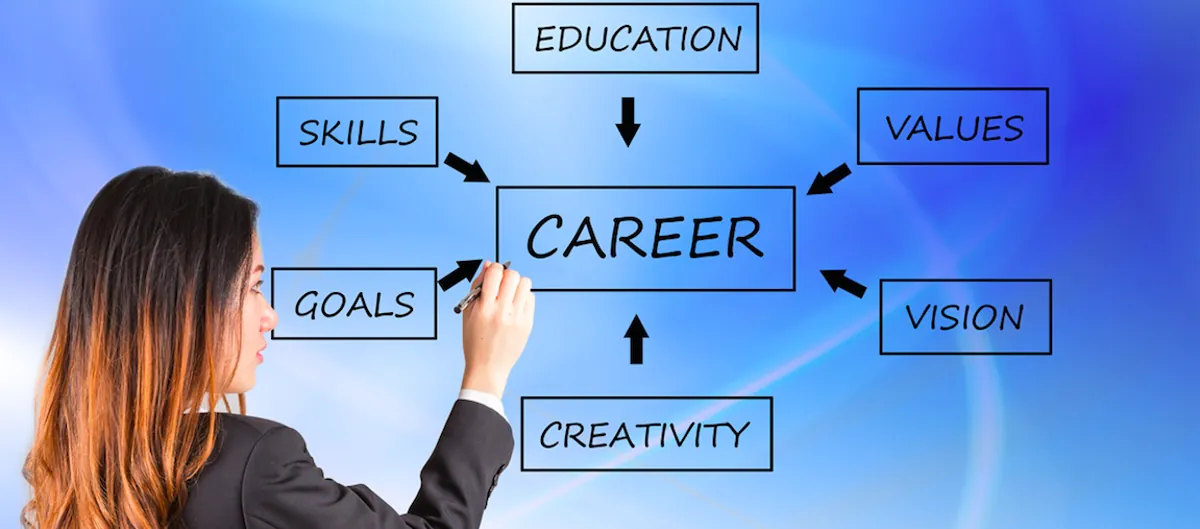
How College Coursework Builds Real-World Career Skills

How College Coursework Builds Real-World Career Skills

College is more than just lectures and exams; it’s a training ground for the professional world. Coursework in Ohio universities equips students with skills that extend beyond textbooks, directly preparing them to succeed in careers across industries. Understanding the connection between classroom learning and workplace competence can help students approach their assignments strategically. Developing Critical Thinking Skills Analyzing Complex Problems University courses push students to tackle multi-layered problems rather than memorize facts. This sharpens their ability to: Evaluate different perspectives Identify root causes of issues Suggest logical, evidence-based solutions Example: An Ohio business student analyzing a case study on a declining company must assess market trends, propose innovative solutions, and justify them with data, a process that mirrors decision-making in professional business environments. Learning powerful hook ideas improves written and oral communication, helping students capture attention in reports, presentations, and professional proposals. Evaluating Evidence Assignments teach students to weigh evidence, which is vital in careers like research, law, or healthcare. Learning to discern credible sources, interpret results, and defend conclusions is a skill that directly transfers to workplace projects. Enhancing Communication Abilities Academic Writing and Reporting Structured essays, lab reports, and research papers train students to: Organize ideas logically Use professional tone and vocabulary Reference sources correctly These writing habits are directly applicable to professional communication, such as drafting reports, proposals, and formal correspondence. Presenting and Public Speaking Coursework that requires presentations helps students practice: Clarity of speech Visual and data-driven storytelling Persuasion and audience engagement Example: A marketing student presenting a campaign strategy to classmates gains the confidence and skills needed to pitch ideas in a professional setting. Fostering Teamwork and Collaboration Group Projects Collaborative assignments mimic workplace teamwork, teaching students to: Delegate responsibilities efficiently Negotiate and resolve conflicts Achieve goals collectively under deadlines Professional Networking Simulation Group work introduces students to interpersonal skills that are essential for professional networking, like communication, adaptability, and reliability. Analyzing a graduation speech demonstrates how to present ideas clearly and persuasively, a skill crucial for professional presentations and pitching projects. Time Management and Organization Handling Multiple Assignments Students frequently balance multiple projects simultaneously, developing skills such as: Prioritizing tasks effectively Scheduling work to meet deadlines Adapting plans when priorities shift Self-Discipline and Independence College coursework requires self-motivation. Students learn to: Conduct research independently Meet deadlines without constant supervision Monitor their own progress These habits help students thrive in workplaces that demand autonomy and accountability. Technical and Industry-Specific Skills STEM and Technical Fields Assignments in science, engineering, and technology develop hands-on skills: Experimentation and lab techniques Data analysis and interpretation Software and coding proficiency Ohio’s universities often partner with industries, giving students exposure to tools and protocols used in professional settings. Writing a science fair project research paper builds skills in experimental design, data analysis, and professional reporting, which are applicable in STEM careers. Business and Economics Business courses focus on practical skills such as: Financial modeling Market research Strategic planning Students learn to apply theory to real-world business problems, preparing them for careers in finance, consulting, or entrepreneurship. Arts, Humanities, and Social Sciences Even non-technical disciplines build valuable skills: Analytical thinking from essay writing Research proficiency for social or historical projects Creative problem-solving in design, media, or communications These skills are highly transferable to careers in education, media, nonprofit work, and beyond. Experiential Learning Opportunities Internships and Practicums Many Ohio universities integrate internships or practicum experiences within coursework, enabling students to: Apply academic learning to actual work tasks Gain mentorship and industry insight Build resumes with tangible experience Simulations and Role-Playing Some courses incorporate simulations to mimic workplace scenarios, helping students practice decision-making and problem-solving in realistic contexts. Leveraging Coursework for Career Growth Choosing Practical Courses Students should prioritize courses that include: Real-world projects Case studies or scenario-based learning Industry collaborations Utilizing University Resources Ohio students can access career centers, workshops, and mentorship programs that connect coursework with professional preparation. Applying Feedback Professors’ feedback on assignments is a valuable tool for refining skills. Constructive critiques help students understand professional expectations and improve problem-solving, writing, and analytical abilities. Overcoming Common Challenges Managing Overload Balancing multiple projects can be overwhelming. Strategies include: Breaking assignments into smaller tasks Using planners or digital tools Seeking guidance from professors or peer mentors Connecting Theory to Practice Some students struggle to see the relevance of coursework. Solutions: Relate assignments to personal career goals Participate in internships or volunteer work Ask faculty for real-world examples Team Collaboration Issues Working in groups can be challenging. Best practices: Define clear roles early Communicate openly and regularly Focus on shared objectives rather than individual conflicts Real Benefits Beyond Career Preparation Confidence and Independence Completing challenging coursework builds: Self-assurance in problem-solving Resilience under pressure Adaptability in dynamic environments Networking Opportunities Group projects, internships, and faculty mentorship provide early networking experience, helping students establish professional connections before graduation. Completing a case study analysis example teaches students to assess problems critically and propose evidence-based solutions, directly mirroring workplace decision-making. Lifelong Learning Habits Assignments encourage students to research, analyze, and synthesize information, skills that support continuous professional growth. FAQs Q1. How do university assignments translate to job skills? A. Assignments teach research, analysis, communication, and problem-solving, all of which are essential for careers across industries. Q2. Are internships necessary for career readiness? A. While not always required, internships provide real-world experience that complements academic coursework and enhances employability. Q3. How can students maximize career preparation through coursework? A. Approach assignments with professional applications in mind, seek feedback, and participate in practical opportunities like projects, labs, and internships. Q4. Do Ohio universities offer career resources linked to coursework? A. Yes, most universities provide career centers, mentorship programs, and workshops to connect academic learning with professional skills. Q5. How can teamwork in assignments help in real-world jobs? A. Group projects develop collaboration, negotiation, and leadership skills, mirroring workplace dynamics. Final Thoughts University coursework equips Ohio students with a diverse skill set, preparing them for the challenges of professional life. Engaging fully with assignments, projects, and experiential learning ensures … Read more

Translate »