Academic Writing

John Carroll University Cost Complete Guide

john carroll university

John Carroll University is a private Jesuit institution located in University Heights, a suburban community near Cleveland, Ohio, United States. The university is known for its strong liberal arts foundation, ethical academic approach, and emphasis on leadership, service, and professional preparation. As a Jesuit university, John Carroll integrates academic rigor with values-based education, making it a popular choice for students seeking both intellectual and personal development. The purpose of this guide is to provide a detailed, realistic, and student-focused overview of John Carroll University cost and the financial considerations associated with studying at the institution. Rather than focusing only on tuition, this article explains the full cost structure, available financial support, and how expenses align with academic quality and student outcomes. This guide is intended for U.S. students exploring private universities, international students considering study in the United States, parents evaluating return on investment and affordability, and education consultants advising students on cost-conscious private education options. Overview of the University Background and Establishment John Carroll University was founded in 1886 and is one of the oldest Jesuit universities in the United States. Established with a mission rooted in intellectual excellence and moral development, the university has evolved into a comprehensive institution offering undergraduate and graduate programs across business, arts, sciences, and professional fields. Over the years, John Carroll has maintained its commitment to small class sizes, faculty mentorship, and experiential learning while adapting programs to meet modern workforce and graduate education demands. Vision, Mission, and Academic Philosophy The university’s mission emphasizes educating students to excel intellectually, serve ethically, and lead with integrity. Its academic philosophy blends Jesuit educational values critical thinking, reflection, and social responsibility with practical skill development. This philosophy shapes both academic programming and student support services, influencing how resources and costs are allocated. Reputation Within the UAE and Internationally John Carroll University does not operate campuses in the UAE and is not regulated by MOE or KHDA. Internationally, it is recognized as an accredited U.S. institution with a strong reputation for business, sciences, and liberal arts education. Degrees are generally accepted for employment and further study worldwide, subject to country-specific credential evaluation. Campus Overview Campus Location The university is located in University Heights, Ohio, a residential suburb near downtown Cleveland. The location provides students with a safe, community-oriented campus environment while offering access to internships, employers, healthcare institutions, and cultural organizations in the greater Cleveland area. Why the Campus Was Established The campus was developed to support residential liberal arts education in a setting that balances academic focus with access to professional opportunities. Its proximity to a major metropolitan area enhances experiential learning while preserving a close-knit campus atmosphere. Campus Environment and Learning Atmosphere John Carroll University offers a collaborative and academically focused learning environment. Small class sizes encourage interaction, discussion, and personalized instruction. Students benefit from strong faculty engagement, structured academic support, and a campus culture that values leadership, service, and community involvement. Accreditation & Recognition John Carroll University is accredited by recognized regional accrediting bodies in the United States, ensuring academic quality, institutional accountability, and eligibility for federal financial aid. The university is not accredited by MOE or KHDA in the UAE. However, its degrees are widely recognized internationally, depending on local credential evaluation standards. Graduates are generally eligible for private-sector employment, nonprofit roles, and further academic study. Eligibility for government employment depends on national regulations and specific job requirements. Colleges & Academic Programs Offered John Carroll University offers a range of undergraduate and postgraduate programs through its academic colleges. College of Arts and Sciences This college forms the core of the university’s liberal arts education. Major Undergraduate Programs Include: Biology Chemistry Psychology English History Mathematics Communication Programs emphasize critical thinking, research skills, and interdisciplinary learning. Boler College of Business The business college focuses on ethical leadership and practical business education. Major Programs Include: Accounting Finance Marketing Management Economics Graduate offerings include professional master’s programs designed for career advancement. School of Education and Allied Studies Programs prepare students for careers in education, counseling, and leadership. Major Programs Include: Education Exercise science Counseling-related fields These programs integrate theory, field experience, and licensure preparation. Postgraduate Programs John Carroll University offers selected graduate degrees in business, education, and health-related fields, emphasizing professional development and applied learning. Admission Requirements Undergraduate Academic Requirements Applicants must hold a recognized high school diploma or equivalent. Admissions decisions consider: Academic transcripts Coursework rigor Personal statements or essays Letters of recommendation Standardized test scores may be optional or considered holistically, depending on admission policies. Postgraduate Degree and GPA Requirements Graduate applicants must hold a recognized bachelor’s degree with a minimum GPA specified by the program. Additional requirements may include professional experience, interviews, or prerequisite coursework. English Language Requirements International students must demonstrate English proficiency through IELTS, TOEFL, or equivalent exams. Required scores vary by program and academic level. Transfer Students Transfer students may receive credit for coursework completed at accredited institutions. Credits are evaluated individually based on academic quality and course equivalency. Tuition Fees & Scholarships Fee Structure Overview As a private Jesuit university, John Carroll University’s tuition is higher than that of public institutions. Costs reflect small class sizes, personalized instruction, campus facilities, and academic support services. Tuition varies by program level and enrollment status. Additional Academic or Administrative Fees Students should budget for additional expenses, including: Housing and meal plans Technology and student service fees Laboratory or program-specific fees Health insurance Textbooks and personal living costs These expenses form an important part of the overall cost of attendance. Scholarships, Grants, and Discounts John Carroll University offers merit-based academic scholarships, need-based financial aid, and institutional grants. Scholarships are awarded based on academic achievement, leadership potential, and overall application strength. International students may qualify for merit-based scholarships, though availability is competitive. Campus Facilities & Student Life The campus includes modern classrooms, science laboratories, computer labs, libraries, and collaborative learning spaces designed to support undergraduate and graduate education. Student services include academic advising, tutoring, counseling, career development, and wellness support. These services are integrated … Read more
Shawnee State University Complete Guide for Students

Shawnee State University

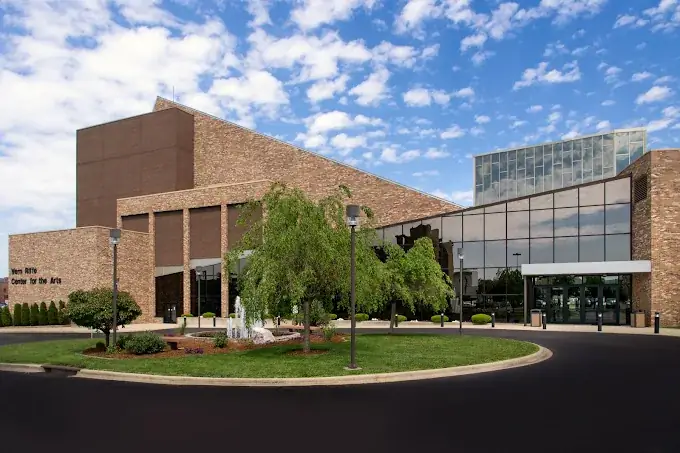
Shawnee State University is a public university in the United States known for its student-centered education, regional impact, and practical academic programs. Located in Portsmouth, Ohio, the university serves students seeking accessible, career-focused higher education within a supportive learning environment. This guide is created for local students, international students, parents, and education consultants who want a clear, factual, and comprehensive overview of Shawnee State University. It explains the university’s background, academic offerings, admission process, campus life, and career opportunities to help prospective students make informed and confident educational decisions. Overview of the University Shawnee State University was established in 1986, making it one of the newer public universities in Ohio. It was founded to address higher education needs in the southern Ohio region and to support regional economic and workforce development. The university’s mission focuses on providing accessible, affordable, and high-quality education with an emphasis on teaching, applied learning, and community engagement. Shawnee State prioritizes small class sizes, personalized instruction, and close interaction between students and faculty. Academically, the university emphasizes practical skills, critical thinking, and professional preparation. While Shawnee State is primarily regionally focused, its degrees are recognized internationally, including in the UAE and other regions, for employment and further education in both public and private sectors. Campus Overview Shawnee State University is located in Portsmouth, Ohio, along the Ohio River near the borders of Kentucky and West Virginia. The campus was established to serve as an educational hub for the Appalachian and southern Ohio region. The campus environment is compact, walkable, and student-focused, offering a close-knit academic atmosphere. Facilities include academic buildings, laboratories, libraries, student centers, and recreational spaces designed to support teaching and learning. The surrounding community provides a quieter, small-city setting, which appeals to students who prefer a focused academic experience with lower living costs compared to large metropolitan campuses. The learning atmosphere emphasizes collaboration, engagement, and individual academic support. Accreditation & Recognition Shawnee State University is institutionally accredited by the Higher Learning Commission, a recognized accrediting body in the United States. This accreditation confirms that the university meets established standards for academic quality, governance, and institutional effectiveness. Several academic programs also hold specialized accreditation from professional organizations, particularly in education, health sciences, and engineering-related fields. Degrees from Shawnee State University are recognized internationally and are suitable for employment in both government and private sectors. Graduates are eligible for professional certification, postgraduate study, and employment opportunities in the U.S., the UAE, and other countries. Colleges & Academic Programs Offered Shawnee State University offers undergraduate and selected postgraduate programs through its colleges and schools, with a strong focus on applied and career-oriented education. College of Arts and Sciences Offers programs in humanities, social sciences, natural sciences, mathematics, and communication. These programs emphasize critical thinking, research fundamentals, and interdisciplinary learning. College of Business Provides undergraduate and graduate programs in business administration, accounting, marketing, management, and digital marketing. The curriculum focuses on practical business skills, ethical decision-making, and real-world applications. College of Education Prepares students for careers in teaching, educational leadership, and related fields. Programs include strong field experiences and practical classroom training aligned with licensure requirements. College of Engineering and Technology Offers programs in engineering technologies, computer science, information technology, and digital simulation and gaming engineering. These programs emphasize hands-on learning and industry relevance. College of Health Sciences Provides programs in nursing, allied health, exercise science, and health administration, focusing on applied learning and community health needs. Graduate Programs Shawnee State offers selected master’s programs in areas such as business administration and education, designed for working professionals and career advancement. Admission Requirements Admission requirements at Shawnee State University vary by program and level of study. Undergraduate Admission Applicants are generally required to submit: Completed application form  Official high school transcripts  Minimum GPA requirements  Standardized test scores (SAT/ACT may be optional)  Personal statement, if required  Postgraduate Admission Graduate applicants typically must provide: A recognized bachelor’s degree  Minimum GPA as specified by the program  Official academic transcripts  Letters of recommendation  Statement of purpose  English Language Requirements International students must demonstrate English proficiency through: IELTS  TOEFL  Or equivalent approved tests  Score requirements vary by program and degree level. Transfer Students Transfer applicants must submit official transcripts from previous institutions. Credits are evaluated individually to determine eligibility and applicability toward degree requirements. Tuition Fees & Scholarships Tuition fees at Shawnee State University depend on residency status, program level, and course load. In-state students benefit from lower tuition rates compared to out-of-state and international students. Additional costs may include technology fees, laboratory fees, health services fees, and other administrative charges depending on the program. Financial support options include: Merit-based scholarships  Need-based financial aid  Departmental awards  Grants and tuition discounts  Scholarships are competitive, and early application is recommended. Campus Facilities & Student Life Shawnee State University provides facilities that support both academic learning and student well-being. These include classrooms, computer labs, science laboratories, libraries, and study areas. Student services include academic advising, tutoring, counseling, disability support, career services, and wellness programs. These services are designed to help students succeed academically and personally. Student life includes clubs, student organizations, cultural events, leadership activities, and community engagement opportunities. While the campus is smaller than major research universities, it offers meaningful involvement and a strong sense of community. Faculty & Teaching Approach Faculty members at Shawnee State University are experienced educators with strong teaching backgrounds and practical industry experience. Many faculty members focus primarily on undergraduate teaching and student mentorship. The teaching approach emphasizes: Small class sizes  Interactive and applied learning  Project-based coursework  Industry-aligned curriculum  Students benefit from personalized instruction, close faculty interaction, and practical learning experiences that support career readiness. Career Opportunities & Industry Connections Shawnee State University supports career development through partnerships with local and regional employers, public organizations, and industry partners. Career support services include: Internship and experiential learning opportunities  Career counseling and advising  Resume and interview preparation  Employer networking and job placement support  Graduates pursue careers in business, education, healthcare, technology, engineering, public service, and related fields, or continue into postgraduate education. … Read more

Miami University Complete Guide for Students

Miami University

Miami University is one of the oldest and most respected public universities in the United States, known for its strong emphasis on undergraduate education, academic excellence, and traditional campus experience. Located in Oxford, Ohio, the university attracts students who value high-quality teaching, a supportive academic environment, and a well-rounded student life. This guide is created for prospective students, parents, and education consultants who want a clear, detailed, and factual overview of Miami University. It covers the university’s history, academic structure, admissions process, campus life, and career outcomes to help students make informed decisions about their higher education journey. Overview of the University Miami University was founded in 1809, making it one of the oldest public universities in the United States. Often referred to as a “Public Ivy,” the university has built a strong reputation for academic rigor, excellent undergraduate teaching, and leadership development. Miami University is recognized for its student-centered approach, strong alumni network, and commitment to developing ethical leaders. The institution places a strong emphasis on critical thinking, experiential learning, and global engagement, while maintaining a balance between tradition and innovation. Over the years, Miami University has consistently ranked highly among public universities in the U.S., particularly for undergraduate teaching quality and student satisfaction. Campus Overview Miami University’s main campus is located in Oxford, Ohio, a traditional college town approximately 35 miles northwest of Cincinnati. The campus is known for its well-preserved Georgian-style architecture, green spaces, and walkable layout. The university was established to provide accessible higher education to the region, and the Oxford campus continues to offer a close-knit, academically focused environment. In addition to the main campus, Miami University operates regional campuses in Hamilton, Middletown, and West Chester, expanding access to education across southwest Ohio. The Oxford campus offers a residential learning experience, with most students living on or near campus, fostering strong community engagement. Accreditation & Recognition Miami University is regionally accredited by the Higher Learning Commission (HLC), a recognized accrediting body in the United States. In addition to institutional accreditation, many academic programs hold specialized accreditation from professional organizations, including: Association to Advance Collegiate Schools of Business (AACSB)  Accreditation Board for Engineering and Technology (ABET)  Council for the Accreditation of Educator Preparation (CAEP)  National Association of Schools of Music (NASM)  These accreditations ensure that programs meet established academic and professional standards. Colleges & Academic Programs Offered Miami University offers a wide range of undergraduate, graduate, and doctoral programs through its academic colleges and schools. College of Arts and Science Provides programs in humanities, social sciences, natural sciences, and mathematics, with a strong focus on research and interdisciplinary learning. Farmer School of Business One of the university’s most well-known colleges, offering programs in accounting, finance, marketing, management, analytics, and entrepreneurship. College of Education, Health, and Society Focuses on teacher education, educational leadership, kinesiology, health promotion, and social sciences. College of Engineering and Computing Offers programs in engineering, computer science, software engineering, and emerging technologies, with an emphasis on applied learning. College of Creative Arts Includes programs in architecture, interior design, music, theatre, and art, emphasizing creativity and professional preparation. Graduate School Supports master’s and doctoral programs across a wide range of disciplines, including business, education, science, and engineering. Admission Requirements Undergraduate Admission Applicants are typically required to submit: Completed application form  Official high school transcripts  Minimum GPA requirements  Standardized test scores (SAT/ACT may be optional)  Personal essay or statement  Admission is competitive, particularly for selective programs. Postgraduate Admission Graduate applicants usually need: A recognized bachelor’s degree  Official academic transcripts  Letters of recommendation  Statement of purpose  Resume or CV (program-specific)  English Language Requirements International students must demonstrate English proficiency through accepted tests such as: TOEFL  IELTS  Duolingo English Test  Score requirements vary by program and level of study. Transfer Students Transfer applicants must provide: Official transcripts from previously attended institutions  Minimum GPA as specified by the university or program  Course descriptions for credit evaluation, if required  Tuition Fees & Scholarships Tuition fees at Miami University vary based on residency status, program level, and course load. In-state students generally benefit from lower tuition compared to out-of-state and international students. Financial support options include: Merit-based scholarships  Need-based financial aid  Departmental scholarships  Honors program awards  Graduate assistantships  Scholarships are competitive, and early application is recommended. Campus Facilities & Student Life Miami University offers a comprehensive campus experience supported by modern facilities, including: Residence halls and dining facilities  Libraries and research centers  Recreation and fitness complexes  Student unions and cultural centers  Health, wellness, and counseling services  Student life is active, with numerous clubs, organizations, leadership programs, volunteer opportunities, and athletic events. The university encourages student involvement as a key part of personal and professional development. Faculty & Teaching Approach Miami University is widely recognized for its excellence in teaching. Faculty members prioritize undergraduate instruction while actively engaging in research and scholarship. The teaching approach emphasizes: Small class sizes, especially at the undergraduate level  Faculty mentorship and advising  Experiential learning, including internships and research  Critical thinking and communication skills  Students benefit from close interaction with professors and personalized academic support. Career Opportunities & Industry Connections Miami University maintains strong career development resources and employer connections, offering: Internship and cooperative education opportunities  Career counseling and resume support  Career fairs and employer networking events  Alumni mentoring programs  Graduates of Miami University are employed across a wide range of industries, including business, education, healthcare, technology, engineering, and public service. Why Choose Miami University? Key advantages include: Strong reputation for undergraduate education  Accredited and academically rigorous programs  Supportive and student-focused learning environment  Traditional residential campus experience  Strong alumni network and career outcomes  Ideal for students who: Value high-quality teaching and academic rigor  Prefer a traditional college-town environment  Seek strong preparation for graduate study or professional careers  Pros & Cons Pros Excellent undergraduate teaching reputation  Strong academic and professional programs  Close-knit campus community  High student engagement and satisfaction  Cons Competitive admission standards  Higher tuition for out-of-state students  Smaller town setting may not appeal to all students  Frequently Asked Questions (FAQs) Q1. Is Miami University accredited? A. … Read more

Translate »