
Mastering Project Management Research Projects in Ohio
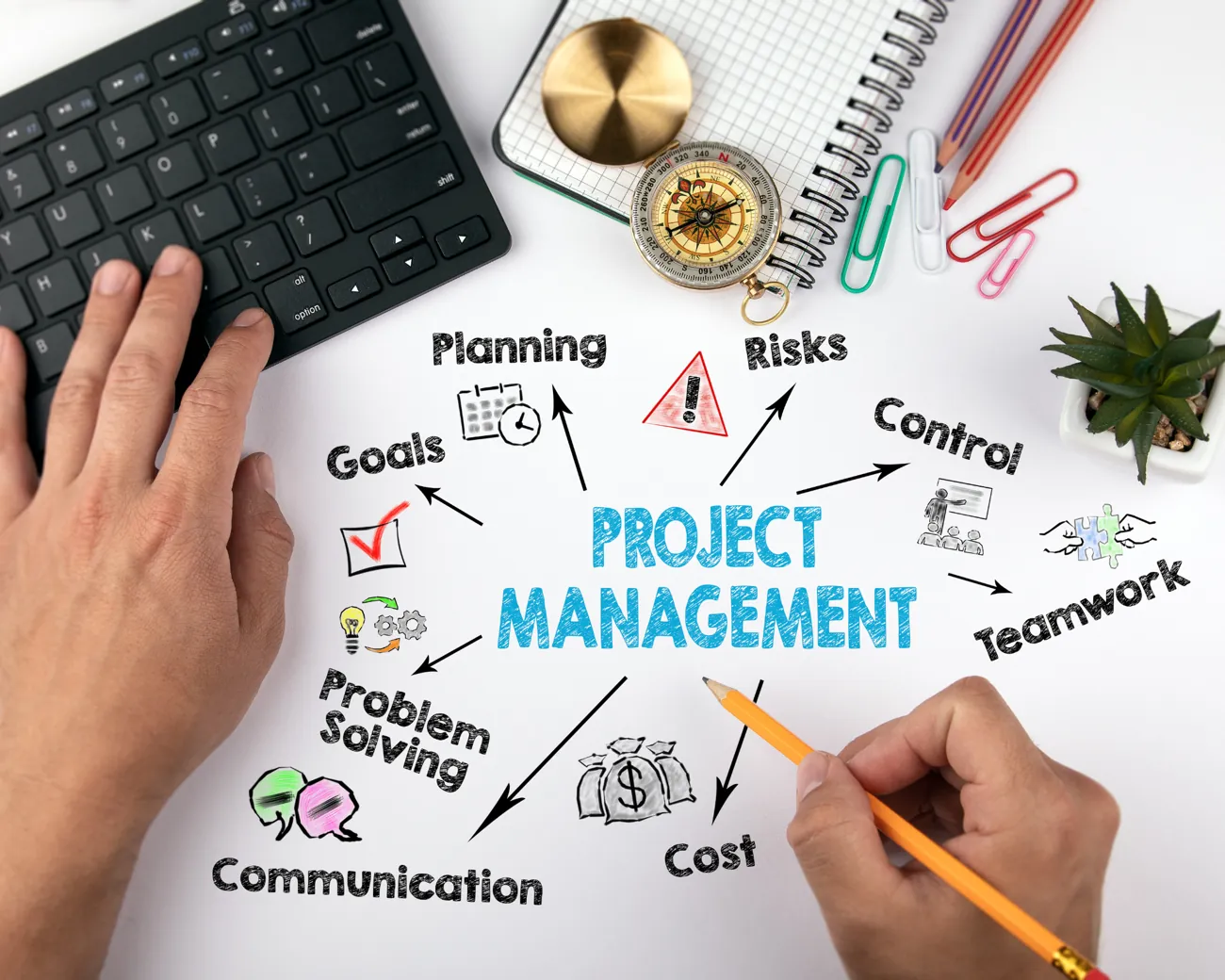
Embarking on a project management research project can be both exciting and daunting for students in Ohio. From understanding project objectives to applying structured methodologies, successfully navigating these assignments requires careful planning, research skills, and a deep understanding of academic expectations. This guide provides a detailed roadmap to help students deliver high-quality, well-organized, and insightful project management research projects. Overcoming common research writing challenges ensures students can integrate evidence, maintain clarity, and produce high-quality project reports. Understanding Project Management Research Projects What Is a Project Management Research Project? A project management research project is a structured academic assignment designed to examine the principles, techniques, and applications of project management in real-world or theoretical scenarios. These projects typically require students to: Identify a specific research problem or question Review relevant literature and frameworks Collect and analyze data systematically Propose evidence-based recommendations or solutions Unlike routine essays, project management research projects emphasize practical application, critical analysis, and strategic thinking. Students are expected to demonstrate a balance between theory and practice while adhering to rigorous academic standards. Importance in Academic and Professional Contexts For students in Ohio, particularly those attending universities such as Ohio State University, Kent State University, or Miami University, these projects: Enhance analytical and problem-solving skills Improve familiarity with project management tools and frameworks Prepare students for industry-related project work and leadership roles Strengthen research, writing, and presentation skills Completing a project management research project successfully also helps students develop time management, collaboration, and decision-making capabilities, skills highly valued in both academic and professional settings. Planning Your Project Management Research Project Selecting a Research Topic Choosing a relevant and feasible research topic is the first step. Considerations include: Relevance: Ensure the topic aligns with current trends or challenges in project management. Scope: Avoid topics that are too broad or too narrow. Focus on specific aspects like risk management, agile methodology, or stakeholder communication. Resource Availability: Ensure access to credible data, scholarly articles, and case studies. Example: A student might explore “The Impact of Agile Methodology on Software Development Project Success in Ohio-Based Companies.” This topic is focused, researchable, and provides a real-world application. Establishing Objectives and Research Questions Clear objectives and research questions guide the project and ensure coherence. For example: Objective: To evaluate how agile practices affect project timelines and team efficiency. Research Questions: How do agile frameworks influence project completion rates? What challenges do project managers face when implementing agile methodologies? Formulating precise questions helps students maintain a structured approach throughout the research project. Selecting clear, focused topics for informative essays helps students frame research questions and objectives for their project management assignments. Developing a Timeline and Plan Effective time management is critical. Ohio students juggling multiple courses or part-time jobs should: Break the project into phases: topic selection, literature review, methodology design, data collection, analysis, and report writing Allocate realistic timeframes for each phase Include buffers for unforeseen delays Using project management tools such as Gantt charts or Trello boards can improve organization and accountability. Conducting Effective Research Literature Review A literature review demonstrates familiarity with existing knowledge and identifies research gaps. Steps include: Source Selection: Focus on peer-reviewed journals, academic books, and reputable industry reports. Critical Analysis: Summarize, compare, and evaluate the relevance of findings. Synthesis: Integrate insights to build a conceptual framework for your study. Example: When researching risk management, students might examine multiple case studies, highlight common strategies, and identify areas needing improvement. Data Collection and Analysis Data collection depends on the research design: Qualitative: Interviews, focus groups, and open-ended surveys can provide in-depth insights into project management practices. Quantitative: Structured surveys, statistical databases, and project performance metrics allow numerical analysis and trend identification. Example: A survey of project managers in Ohio-based tech firms might reveal patterns in agile adoption and its effect on project success. Analysis requires careful interpretation: Identify trends, correlations, or deviations Compare results with existing literature Draw conclusions grounded in evidence Statistical tools like SPSS, Excel, or Python-based analysis can assist in handling large datasets effectively. Structuring Your Project Management Research Project Introduction Introduce the research problem or question Explain the relevance and significance of the study Outline objectives and scope Example: “Effective project management is critical for organizational success. This research examines how agile methodologies impact software development projects in Ohio-based companies, focusing on efficiency, team collaboration, and project outcomes.” Literature Review Summarize existing research Highlight gaps and inconsistencies Position your study within the academic discourse Methodology Explain research design, tools, and techniques Detail data collection procedures Justify the selection of methods Example: “A mixed-methods approach is employed, combining survey data from 50 project managers with qualitative interviews to capture contextual insights.” Findings and Analysis Present data in a clear, structured format (tables, charts, graphs) Analyze results with reference to research questions Highlight significant trends, anomalies, or insights Example: “Survey results indicate that agile practices improve project completion rates by 20%, but challenges in stakeholder communication persist.” Discussion Interpret findings in relation to the literature Address research questions Discuss implications for project management theory and practice Conclusion and Recommendations Summarize key findings and their significance Suggest practical recommendations for project managers or organizations Highlight areas for future research Example: “Organizations should provide agile training for teams to enhance project efficiency. Future studies could explore cross-industry comparisons within Ohio.” Using effective sentence starters enhances clarity and flow when writing project introductions, analyses, and conclusions. Common Challenges in Project Management Research Projects Scope Creep Expanding the project beyond its initial scope can overwhelm students. Clear objectives and a focused research question prevent unnecessary digression. Data Access and Reliability Students may face difficulties accessing credible data. Leveraging Ohio university libraries, online databases, and professional networks helps maintain data integrity. Analysis Complexity Interpreting large datasets or integrating qualitative and quantitative findings can be challenging. Using structured frameworks like SWOT analysis, Gantt charts, or risk matrices can clarify insights. Writing and Formatting Maintaining academic tone, proper citation, and clear organization is critical. Using APA or MLA styles ensures credibility and aligns with US … Read more