
How College Coursework Builds Real-World Career Skills
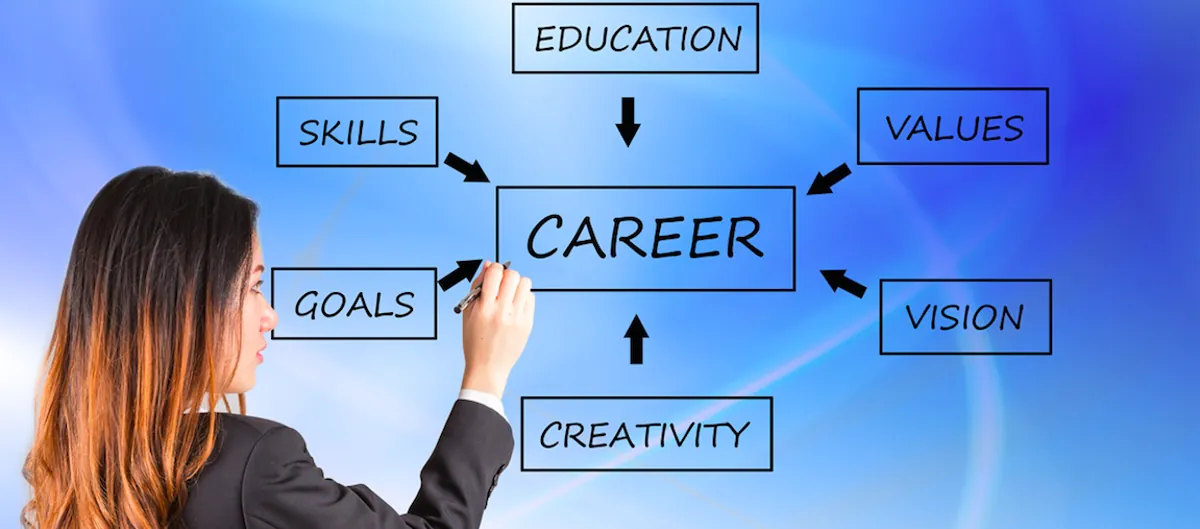
College is more than just lectures and exams; it’s a training ground for the professional world. Coursework in Ohio universities equips students with skills that extend beyond textbooks, directly preparing them to succeed in careers across industries. Understanding the connection between classroom learning and workplace competence can help students approach their assignments strategically. Developing Critical Thinking Skills Analyzing Complex Problems University courses push students to tackle multi-layered problems rather than memorize facts. This sharpens their ability to: Evaluate different perspectives Identify root causes of issues Suggest logical, evidence-based solutions Example: An Ohio business student analyzing a case study on a declining company must assess market trends, propose innovative solutions, and justify them with data, a process that mirrors decision-making in professional business environments. Learning powerful hook ideas improves written and oral communication, helping students capture attention in reports, presentations, and professional proposals. Evaluating Evidence Assignments teach students to weigh evidence, which is vital in careers like research, law, or healthcare. Learning to discern credible sources, interpret results, and defend conclusions is a skill that directly transfers to workplace projects. Enhancing Communication Abilities Academic Writing and Reporting Structured essays, lab reports, and research papers train students to: Organize ideas logically Use professional tone and vocabulary Reference sources correctly These writing habits are directly applicable to professional communication, such as drafting reports, proposals, and formal correspondence. Presenting and Public Speaking Coursework that requires presentations helps students practice: Clarity of speech Visual and data-driven storytelling Persuasion and audience engagement Example: A marketing student presenting a campaign strategy to classmates gains the confidence and skills needed to pitch ideas in a professional setting. Fostering Teamwork and Collaboration Group Projects Collaborative assignments mimic workplace teamwork, teaching students to: Delegate responsibilities efficiently Negotiate and resolve conflicts Achieve goals collectively under deadlines Professional Networking Simulation Group work introduces students to interpersonal skills that are essential for professional networking, like communication, adaptability, and reliability. Analyzing a graduation speech demonstrates how to present ideas clearly and persuasively, a skill crucial for professional presentations and pitching projects. Time Management and Organization Handling Multiple Assignments Students frequently balance multiple projects simultaneously, developing skills such as: Prioritizing tasks effectively Scheduling work to meet deadlines Adapting plans when priorities shift Self-Discipline and Independence College coursework requires self-motivation. Students learn to: Conduct research independently Meet deadlines without constant supervision Monitor their own progress These habits help students thrive in workplaces that demand autonomy and accountability. Technical and Industry-Specific Skills STEM and Technical Fields Assignments in science, engineering, and technology develop hands-on skills: Experimentation and lab techniques Data analysis and interpretation Software and coding proficiency Ohio’s universities often partner with industries, giving students exposure to tools and protocols used in professional settings. Writing a science fair project research paper builds skills in experimental design, data analysis, and professional reporting, which are applicable in STEM careers. Business and Economics Business courses focus on practical skills such as: Financial modeling Market research Strategic planning Students learn to apply theory to real-world business problems, preparing them for careers in finance, consulting, or entrepreneurship. Arts, Humanities, and Social Sciences Even non-technical disciplines build valuable skills: Analytical thinking from essay writing Research proficiency for social or historical projects Creative problem-solving in design, media, or communications These skills are highly transferable to careers in education, media, nonprofit work, and beyond. Experiential Learning Opportunities Internships and Practicums Many Ohio universities integrate internships or practicum experiences within coursework, enabling students to: Apply academic learning to actual work tasks Gain mentorship and industry insight Build resumes with tangible experience Simulations and Role-Playing Some courses incorporate simulations to mimic workplace scenarios, helping students practice decision-making and problem-solving in realistic contexts. Leveraging Coursework for Career Growth Choosing Practical Courses Students should prioritize courses that include: Real-world projects Case studies or scenario-based learning Industry collaborations Utilizing University Resources Ohio students can access career centers, workshops, and mentorship programs that connect coursework with professional preparation. Applying Feedback Professors’ feedback on assignments is a valuable tool for refining skills. Constructive critiques help students understand professional expectations and improve problem-solving, writing, and analytical abilities. Overcoming Common Challenges Managing Overload Balancing multiple projects can be overwhelming. Strategies include: Breaking assignments into smaller tasks Using planners or digital tools Seeking guidance from professors or peer mentors Connecting Theory to Practice Some students struggle to see the relevance of coursework. Solutions: Relate assignments to personal career goals Participate in internships or volunteer work Ask faculty for real-world examples Team Collaboration Issues Working in groups can be challenging. Best practices: Define clear roles early Communicate openly and regularly Focus on shared objectives rather than individual conflicts Real Benefits Beyond Career Preparation Confidence and Independence Completing challenging coursework builds: Self-assurance in problem-solving Resilience under pressure Adaptability in dynamic environments Networking Opportunities Group projects, internships, and faculty mentorship provide early networking experience, helping students establish professional connections before graduation. Completing a case study analysis example teaches students to assess problems critically and propose evidence-based solutions, directly mirroring workplace decision-making. Lifelong Learning Habits Assignments encourage students to research, analyze, and synthesize information, skills that support continuous professional growth. FAQs Q1. How do university assignments translate to job skills? A. Assignments teach research, analysis, communication, and problem-solving, all of which are essential for careers across industries. Q2. Are internships necessary for career readiness? A. While not always required, internships provide real-world experience that complements academic coursework and enhances employability. Q3. How can students maximize career preparation through coursework? A. Approach assignments with professional applications in mind, seek feedback, and participate in practical opportunities like projects, labs, and internships. Q4. Do Ohio universities offer career resources linked to coursework? A. Yes, most universities provide career centers, mentorship programs, and workshops to connect academic learning with professional skills. Q5. How can teamwork in assignments help in real-world jobs? A. Group projects develop collaboration, negotiation, and leadership skills, mirroring workplace dynamics. Final Thoughts University coursework equips Ohio students with a diverse skill set, preparing them for the challenges of professional life. Engaging fully with assignments, projects, and experiential learning ensures … Read more