Academic Writing

Cleveland State University: Complete Guide for Students
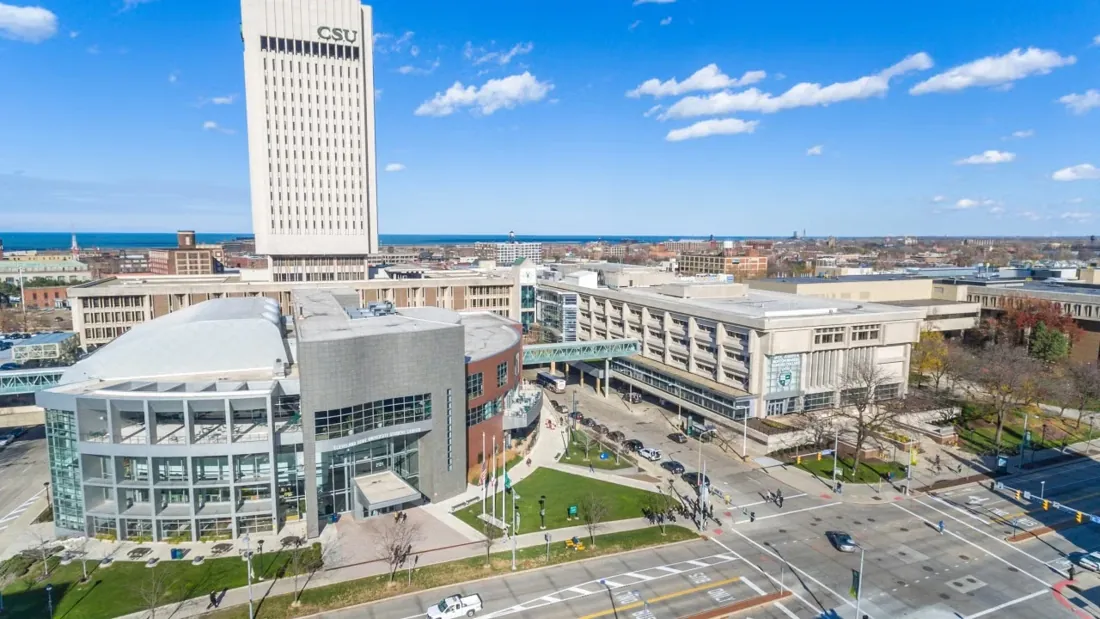
Cleveland State University

Cleveland State University (CSU) is a public research university located in the heart of Cleveland, Ohio. Known for its strong academic programs, urban campus setting, and commitment to student success, CSU attracts students from across the United States and around the world. This guide is designed to provide prospective students, parents, and education counselors with a detailed overview of Cleveland State University, including its academic structure, campus life, admission process, and career opportunities. Whether you are considering undergraduate or postgraduate study, Cleveland State University offers a practical, career-focused education supported by experienced faculty and strong industry connections. Students comparing public universities in Ohio often review Kent State University to understand academic offerings, campus life, and research opportunities. Overview of the University Founded in 1964, Cleveland State University was established to serve the educational and economic needs of Northeast Ohio. Over the decades, it has grown into a comprehensive public research institution offering a wide range of undergraduate, graduate, and professional programs. CSU is recognized for its commitment to urban engagement, research, and community partnerships. The university plays a key role in workforce development, innovation, and regional economic growth. With a diverse student body and an inclusive learning environment, Cleveland State emphasizes accessibility, applied learning, and academic excellence. Campus Overview Cleveland State University is located in downtown Cleveland, Ohio, one of the largest and most dynamic cities in the Midwest. Its urban campus places students in close proximity to major corporations, hospitals, cultural institutions, and government offices. The campus features modern academic buildings, research facilities, residence halls, libraries, and recreational centers. Its central location provides students with access to internships, cultural events, and professional networking opportunities while maintaining a traditional campus atmosphere. Accreditation & Recognition Cleveland State University is regionally accredited by the Higher Learning Commission (HLC), ensuring academic quality and institutional integrity. In addition to institutional accreditation, many academic programs are accredited or approved by professional bodies, such as: Accreditation Board for Engineering and Technology (ABET) Association to Advance Collegiate Schools of Business (AACSB) Council for the Accreditation of Educator Preparation (CAEP) Commission on Collegiate Nursing Education (CCNE) These accreditations demonstrate the university’s commitment to maintaining rigorous academic standards and professional relevance. Colleges & Academic Programs Offered Cleveland State University offers a wide range of undergraduate, graduate, and doctoral programs through its colleges and schools. College of Arts and Sciences Provides programs in humanities, social sciences, natural sciences, mathematics, and social research, emphasizing critical thinking and interdisciplinary learning. Monte Ahuja College of Business Offers undergraduate and graduate programs in accounting, finance, marketing, management, economics, and information systems, with a strong focus on experiential learning. Washkewicz College of Engineering Provides programs in civil, electrical, mechanical, chemical, and computer engineering, emphasizing applied research and industry collaboration. College of Health Offers degrees in nursing, public health, health sciences, and healthcare administration, preparing students for careers in healthcare and wellness fields. College of Education and Human Services Focuses on teacher education, counseling, social work, and human services, emphasizing community engagement and professional preparation. College of Law Provides Juris Doctor and law-related programs, with opportunities for practical training through clinics and internships. College of Graduate Studies Supports advanced study and research across a wide range of disciplines. Those exploring strong programs in arts, business, and education can reference Bowling Green State University for insights into student-centered learning and faculty support. Admission Requirements Undergraduate Admission Applicants are typically required to submit: Completed application form High school transcripts Minimum GPA requirements Standardized test scores (SAT/ACT may be optional) Personal statement or essay Postgraduate Admission Graduate applicants must provide: Bachelor’s degree from an accredited institution Official academic transcripts Letters of recommendation Statement of purpose Resume or curriculum vitae (if required) English Language Requirements International students must demonstrate English proficiency through recognized tests such as: TOEFL IELTS Duolingo English Test Minimum score requirements vary by program. Transfer Students Transfer applicants must submit: Official transcripts from all previously attended institutions Course descriptions for credit evaluation Minimum cumulative GPA as specified by the program Tuition Fees & Scholarships Tuition at Cleveland State University varies depending on residency status, academic level, and program of study. In general, tuition is more affordable compared to many private institutions. Financial support options include: Merit-based scholarships Need-based financial aid Graduate assistantships Departmental scholarships Work-study opportunities International students may also be eligible for select scholarships and funding opportunities. Campus Facilities & Student Life Cleveland State University offers a dynamic campus experience supported by modern facilities, including: Residence halls and apartment-style housing University library and research centers Recreation and fitness facilities Student unions and dining services Cultural centers and student organizations Students can participate in a wide range of clubs, leadership programs, volunteer activities, and athletic events, contributing to a well-rounded university experience. For a broader comparison of higher education institutions, reviewing top universities in Ohio helps students evaluate program quality, campus resources, and career prospects across the state. Faculty & Teaching Approach CSU faculty members are experienced educators and active researchers committed to student success. The teaching approach emphasizes: Practical, real-world learning Collaborative projects and internships Research opportunities for undergraduate and graduate students Individualized academic support Small class sizes in many programs allow for meaningful interaction between students and faculty. Career Opportunities & Industry Connections Cleveland State University maintains strong partnerships with regional and national employers, offering students access to: Internships and cooperative education programs Career counseling and professional development Employer networking events and career fairs Graduates of CSU find employment in fields such as business, engineering, healthcare, education, public service, and technology. Why Choose Cleveland State University?   Key Advantages: Central urban location with strong industry connections Accredited and professionally recognized programs Affordable tuition compared to private universities Emphasis on experiential learning and career readiness Diverse and inclusive campus community Ideal for students who: Prefer an urban learning environment Seek practical, career-focused education Value diversity and real-world experience Pros & Cons Pros Strong academic reputation and accreditation Extensive internship and employment opportunities Diverse student population Central city location with access to major employers Cons Urban … Read more

Central State University: Complete Guide for Students

Central State University

Central State University (CSU) is a historically significant public institution in the United States, known for its commitment to academic excellence, community engagement, and student success. This guide is designed to provide prospective students, parents, and education consultants with a comprehensive overview of the university, including academic offerings, campus life, admission requirements, and career opportunities. Whether students are seeking a supportive learning environment, affordable education, or strong academic foundations, Central State University offers a structured and inclusive educational experience. Students exploring urban-focused programs in business, engineering, and public service often review Cleveland State University for insights into career-oriented learning and industry connections. Overview of the University Central State University is a public historically Black university (HBCU) located in Wilberforce, Ohio. Founded in 1887, the university has a long-standing tradition of serving diverse populations and promoting educational access and equity. Originally established as a normal and industrial department within Wilberforce University, Central State became an independent institution in 1951. Over the years, it has developed into a comprehensive university offering undergraduate and graduate programs across multiple disciplines. The university’s mission emphasizes academic excellence, leadership development, research, and community service. Central State is widely recognized for its role in educating first-generation college students and supporting inclusive learning environments. Campus Overview Central State University is located in Wilberforce, Ohio, a small and historically significant community near Dayton. The campus provides a peaceful, residential environment that supports focused learning and close interaction between students and faculty. The campus includes academic buildings, residence halls, research centers, athletic facilities, and student support services. Its manageable size allows students to easily access classes, faculty offices, and campus resources, creating a close-knit academic community. Accreditation & Recognition Central State University is regionally accredited by the Higher Learning Commission (HLC), one of the major accrediting bodies recognized by the U.S. Department of Education. In addition to institutional accreditation, several academic programs hold specialized accreditation or recognition from relevant professional organizations. As a public land-grant institution and an HBCU, Central State receives federal and state support for research, outreach, and educational development initiatives. Colleges & Academic Programs Offered Central State University offers undergraduate and graduate programs through its academic colleges, focusing on both liberal arts education and career-oriented disciplines. College of Education Provides programs in teacher education, educational leadership, and early childhood education, preparing students for careers in teaching and educational administration. College of Humanities, Arts, and Social Sciences Offers majors in English, history, mass communication, criminal justice, and social sciences, emphasizing critical thinking and communication skills. College of Science, Technology, Engineering, and Mathematics (STEM) Includes programs in biology, chemistry, mathematics, computer science, and engineering-related fields, with a focus on research and applied learning. College of Business Offers degrees in business administration, management, and entrepreneurship, preparing students for leadership roles in public and private sectors. Graduate Programs Graduate-level programs are available in selected areas such as education and business, supporting professional development and career advancement. For a broader understanding of Ohio’s public universities, Kent State University offers a benchmark in academic quality, student support, and research opportunities. Admission Requirements Undergraduate Admission Applicants are generally required to submit: Completed application form High school transcripts or equivalent Minimum GPA as specified by the university Standardized test scores (SAT/ACT may be optional depending on policy) Postgraduate Admission Applicants must typically provide: A recognized bachelor’s degree Official academic transcripts Letters of recommendation Statement of purpose Resume or CV (if applicable) English Language Requirements International applicants whose first language is not English must demonstrate proficiency through exams such as: TOEFL IELTS Duolingo English Test Minimum score requirements vary by program. Transfer Students Transfer applicants must submit: Official transcripts from all previously attended institutions Course descriptions for credit evaluation Minimum GPA as determined by the university Tuition Fees & Scholarships Tuition fees at Central State University vary depending on residency status, program level, and course load. The university is known for offering comparatively affordable tuition among U.S. public institutions. Financial support options include: Merit-based scholarships Need-based financial aid Federal and state grants Work-study opportunities Scholarships for international students Students are encouraged to explore funding opportunities early in the application process. Campus Facilities & Student Life Central State University provides a supportive campus environment with facilities that enhance academic and personal development, including: Residence halls and dining services Academic libraries and study spaces Computer labs and research facilities Health and wellness services Student organizations, clubs, and leadership programs The university promotes student engagement through cultural events, athletics, community service, and leadership development activities. Those interested in diverse academic programs and student-centered learning may refer to Bowling Green State University for guidance on program variety, campus life, and faculty support. Faculty & Teaching Approach Faculty members at Central State University are committed to teaching excellence and student mentorship. Classes are generally small, allowing for individualized attention and meaningful interaction between students and instructors. Teaching emphasizes: Practical and experiential learning Critical thinking and problem-solving Research participation and community engagement Faculty members often involve students in research projects and outreach initiatives, enhancing real-world learning. Career Opportunities & Industry Connections Central State University supports career development through: Career counseling and advising Internship and internship-placement opportunities Employer networking events and career fairs Alumni mentorship programs Graduates pursue careers in education, business, public service, agriculture, technology, and other sectors. The university’s partnerships with government agencies, schools, and private organizations enhance employment opportunities for students. Why Choose Central State University? Key advantages include: Strong commitment to student success and inclusion Accredited academic programs Supportive and close-knit learning environment Affordable tuition and financial aid opportunities Emphasis on leadership, service, and community engagement Ideal for students who: Prefer smaller class sizes Value personalized academic support Seek a historically rich and inclusive learning environment Are interested in public service, education, or community development Students comparing higher education options in Ohio can explore top universities in Ohio to assess program quality, campus resources, and career preparation opportunities across the state. Pros & Cons Pros Historically Black University with strong cultural heritage Affordable tuition compared to many institutions … Read more

Translate »