Academic Writing

Capital University Football Complete Guide For Students

Capital University

Capital University is a private, nonprofit university located in Columbus, Ohio, United States. Known for its strong liberal arts foundation, professional programs, and close-knit campus community, the university provides students with an education that emphasizes academic rigor, ethical leadership, and personal development. Alongside academics, Capital University supports a range of intercollegiate athletics, including football, which plays a significant role in student engagement and campus life. The purpose of this guide is to present a comprehensive and realistic overview of Capital University football within the broader context of academics, admissions, student life, and career development. Rather than focusing solely on athletics, the guide explains how football fits into the overall educational experience and how student-athletes are supported academically and professionally. This guide is designed for local U.S. students interested in collegiate football, international students exploring U.S. education and athletics, parents assessing academic quality and student-athlete balance, and education consultants advising students on universities that integrate academics with competitive sports. Overview of the University Background and Establishment Capital University was founded in 1830, making it one of the oldest universities in Ohio. It was established with the goal of providing accessible higher education grounded in values, critical thinking, and service to society. Over nearly two centuries, the university has expanded its academic offerings while maintaining a focus on personalized education and student-centered learning. Vision, Mission, and Academic Philosophy The mission of Capital University emphasizes educating students for lives of leadership, service, and integrity. Its academic philosophy blends liberal arts education with professional preparation, encouraging students to develop analytical skills, ethical judgment, and real-world competence. Athletics, including football, are viewed as an extension of this philosophy, supporting discipline, teamwork, and leadership development. Reputation Within the UAE and Internationally Capital University does not operate a campus in the UAE and is not regulated by UAE authorities such as MOE or KHDA. Internationally, it is recognized as an accredited U.S. institution, particularly known for programs in law, business, nursing, education, and the liberal arts. Degrees are generally accepted worldwide, subject to local credential evaluation and professional requirements. Campus Overview Campus Location The university is located in Columbus, Ohio, the state capital and a major metropolitan area. This location offers students access to government institutions, healthcare systems, corporate headquarters, nonprofit organizations, and cultural opportunities, while maintaining a residential campus atmosphere. Why the Campus Was Established The campus was established to serve students seeking higher education that combines academic excellence with community values. Its development reflects the university’s commitment to integrated academic, residential, and athletic facilities. Campus Environment and Learning Atmosphere Capital University offers a supportive and inclusive campus environment. Small class sizes foster close faculty interaction, while student-athletes benefit from structured academic support that helps balance coursework with athletic commitments. Accreditation and Recognition Capital University is accredited by recognized regional accrediting bodies in the United States and is authorized to award undergraduate, graduate, and professional degrees. As the university does not operate in the UAE, it is not subject to MOE or KHDA regulation. Degrees from Capital University are recognized across the United States and internationally, depending on country-specific credential recognition and licensing requirements. Colleges and Academic Programs Offered College of Arts and Sciences Undergraduate programs include biology, chemistry, mathematics, psychology, sociology, communication, history, English, political science, and environmental science. These programs provide flexible academic pathways well-suited for student-athletes. College of Business Programs include accounting, finance, marketing, management, entrepreneurship, and information systems. The curriculum emphasizes ethical leadership and practical business skills. College of Education Programs include early childhood, primary, secondary, and special education at undergraduate and postgraduate levels. Many football players pursue education degrees aligned with coaching or teaching careers. College of Nursing Undergraduate and graduate nursing programs emphasize clinical training and healthcare preparation. Capital University Law School The law school offers professional legal education and enhances the university’s academic reputation and professional network. Admission Requirements Undergraduate Academic Requirements Applicants must hold a recognized high school diploma or equivalent. Admission decisions consider academic performance and readiness for university-level study. Football student-athletes must also meet NCAA Division III eligibility requirements. Postgraduate Degree and GPA Requirements Postgraduate applicants must hold a recognized bachelor’s degree with a minimum GPA set by individual programs. Additional materials may be required. English Language Requirements International students must demonstrate English proficiency through IELTS, TOEFL, or equivalent examinations. Transfer Students Transfer applicants may receive credit for prior coursework based on equivalency. Transfer student-athletes must comply with NCAA transfer rules. Tuition Fees and Scholarships Fee Structure Overview Tuition varies by program and level of study. As a private university, tuition is higher than public institutions but reflects personalized instruction and extensive student services. Additional Academic or Administrative Fees Additional costs may include technology fees, laboratory or clinical fees, housing, meal plans, health services, and athletic-related expenses. Scholarships, Grants, and Discounts Capital University offers merit-based scholarships, need-based financial aid, and institutional grants. NCAA Division III football does not offer athletic scholarships, but student-athletes may qualify for academic or need-based aid. Campus Facilities and Student Life Academic facilities include modern classrooms, laboratories, libraries, and study spaces. Athletic facilities support football training, fitness, rehabilitation, and sports medicine. Student services include academic advising, tutoring, career counseling, mental health services, health clinics, and international student support. Football contributes strongly to campus spirit and engagement. Faculty and Teaching Approach Faculty members hold advanced degrees and emphasize mentorship and teaching excellence. Small class sizes support individualized instruction. Teaching methods include lectures, seminars, projects, internships, and experiential learning. Curricula align with industry and graduate school expectations. Career Opportunities and Industry Connections Students are encouraged to engage in internships, service learning, and research. Football student-athletes develop transferable skills such as leadership, teamwork, and time management. Career services provide resume support, interview preparation, career counseling, and employer networking, particularly within the Columbus metropolitan area. Why Choose This University? Capital University offers a strong balance between academics and athletics, personalized education, and access to career opportunities in a major U.S. city. It is ideal for students seeking NCAA Division III football within a values-driven academic … Read more

Ashland University Baseball Complete Guide for Students

Ashland University

Ashland University is a private, nonprofit institution located in Ashland, Ohio, United States. The university is widely known for its strong liberal arts foundation, professional programs, and commitment to student development both inside and outside the classroom. In addition to academics, Ashland University has built a solid reputation in athletics, particularly through its competitive baseball program, which forms part of its broader commitment to student-athlete development. The purpose of this guide is to provide a detailed and realistic overview of Ashland University baseball within the wider academic and career context of the university. While baseball is an important focus, this article also explains how Ashland University supports academic achievement, career preparation, and personal growth for student-athletes and non-athletes alike. This guide is intended for local U.S. students interested in combining academics with collegiate athletics, international students exploring U.S. university sports pathways, parents evaluating academic and athletic balance, and education consultants advising students on institutions that support both education and competitive sports participation. Overview of the University Background and Establishment Ashland University was founded in 1878 as Ashland College, with a mission centered on values-based education and community service. Over time, it expanded its academic offerings and transitioned into a university while maintaining a strong focus on undergraduate education and professional preparation. The institution has grown steadily, offering a balance between academic rigor and co-curricular engagement. Vision, Mission, and Academic Philosophy The university’s mission emphasizes preparing students for meaningful lives and successful careers through a combination of academic excellence, ethical leadership, and experiential learning. Its academic philosophy supports personalized education, close faculty interaction, and the integration of classroom learning with real-world application. This philosophy extends to student-athletes, ensuring that sports participation complements academic and career goals. Reputation Within the UAE and Internationally Ashland University does not operate a campus in the UAE and is not regulated by UAE authorities. Internationally, it is recognized as an accredited U.S. institution, particularly known for education, business, health sciences, and athletic programs at the NCAA Division II level. Degrees are generally accepted internationally, subject to credential evaluation where required. Campus Overview Campus Location Ashland University is located in Ashland, Ohio, a small city offering a safe and student-friendly environment. The campus is situated between major metropolitan areas such as Cleveland and Columbus, providing access to internships, professional networks, and athletic competition while maintaining a close-knit campus atmosphere. Why the Campus Was Established The campus was established to provide accessible higher education rooted in community values. Over time, it expanded to include academic facilities, residential halls, and athletic complexes to support both academic excellence and student engagement, including competitive sports programs such as baseball. Campus Environment and Learning Atmosphere The campus environment is supportive and student-centered. Class sizes are generally small, fostering strong relationships between students and faculty. Student-athletes benefit from structured academic support systems that help balance training, competition, and coursework. Accreditation and Recognition Ashland University is accredited by recognized regional accrediting bodies in the United States, authorizing it to award undergraduate, graduate, and doctoral degrees. It is not governed by MOE or KHDA, as it does not operate within the UAE. Degrees from Ashland University are recognized throughout the United States and internationally, depending on local credential recognition policies. Graduates are eligible for employment in government, private sector, education, healthcare, and nonprofit organizations, subject to professional licensing requirements. Colleges and Academic Programs Offered College of Arts and Sciences Undergraduate programs include biology, chemistry, mathematics, psychology, communication, history, English, and political science. Postgraduate programs are offered in selected disciplines. This college supports student-athletes with flexible academic pathways and strong advising. Dauch College of Business and Economics Programs include accounting, finance, marketing, management, entrepreneurship, and supply chain management at the undergraduate level, along with MBA and other postgraduate business programs. These programs are popular among student-athletes seeking careers in business and sports management. College of Education Undergraduate and postgraduate programs include early childhood education, middle and secondary education, educational leadership, and special education. Many student-athletes pursue education degrees aligned with coaching or teaching careers. College of Nursing and Health Sciences Programs include nursing, exercise science, athletic training, and health sciences. These programs are closely aligned with sports performance, rehabilitation, and healthcare careers relevant to baseball players. Admission Requirements Undergraduate Academic Requirements Applicants must hold a recognized high school diploma or equivalent qualification. Admission decisions consider academic performance, coursework, standardized test scores where applicable, and overall readiness for university-level study. Student-athletes must also meet NCAA eligibility requirements. Postgraduate Degree and GPA Requirements Postgraduate applicants must possess a recognized bachelor’s degree with a minimum GPA set by individual programs. Additional requirements may include letters of recommendation, personal statements, and relevant professional experience. English Language Requirements International students must demonstrate English proficiency through standardized tests such as IELTS, TOEFL, or equivalent qualifications. Minimum scores vary by program level. Transfer Students Transfer students may receive academic credit for prior coursework based on course equivalency and academic performance. Student-athletes transferring must also comply with NCAA transfer regulations. Tuition Fees and Scholarships Fee Structure Overview Tuition fees vary based on program level, residency status, and enrollment type. As a private university, Ashland University’s tuition is typically higher than public institutions but includes comprehensive academic and student support services. Additional Academic or Administrative Fees Students may incur additional costs such as registration fees, laboratory fees, technology fees, housing costs, meal plans, and athletic-related expenses. Scholarships, Grants, and Discounts Ashland University offers merit-based academic scholarships, need-based financial aid, and athletic scholarships, including opportunities for baseball players. International students may be eligible for institutional scholarships based on academic achievement. Campus Facilities and Student Life Academic facilities include modern classrooms, science and computer laboratories, libraries, and learning centers. Athletic facilities include baseball fields, training centers, fitness facilities, and sports medicine services. Student services include academic advising, tutoring, career counseling, mental health support, health services, and international student assistance. Student-athletes receive additional academic monitoring and support. Campus life includes student organizations, leadership programs, cultural events, volunteer activities, and NCAA Division II athletics. Baseball players benefit from … Read more

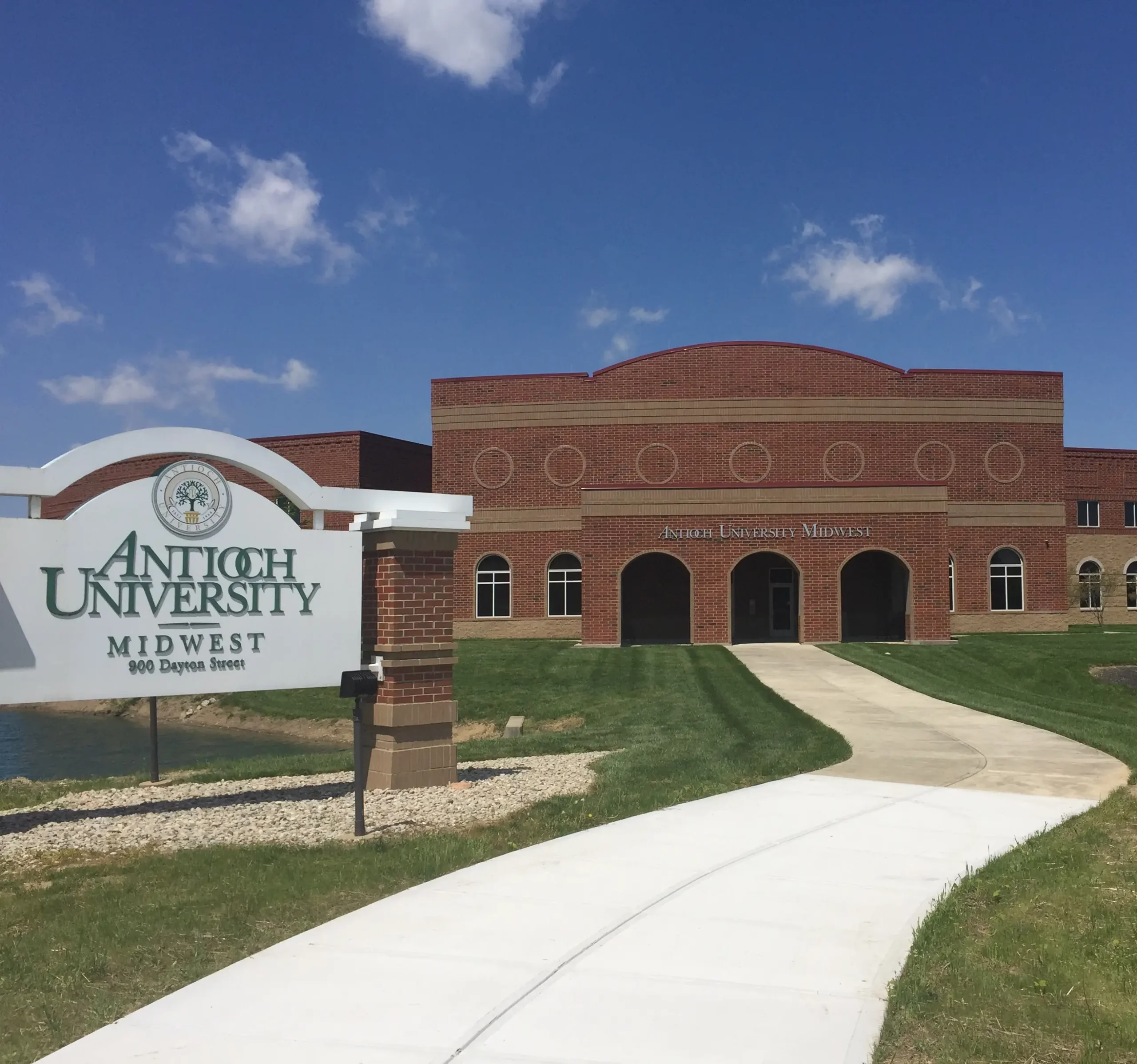
Antioch University Careers Complete Guide For Students

Antioch University

Antioch University is a private, nonprofit institution of higher education in the United States, known for its strong focus on social responsibility, experiential learning, and career-oriented education. With multiple campuses and online learning options, the university serves a diverse population of undergraduate, postgraduate, and professional students from varied academic and professional backgrounds. The purpose of this guide is to provide a detailed and realistic overview of Antioch University careers, academic structure, admissions, accreditation, and employment outcomes. Rather than focusing only on academics, this article highlights how Antioch University prepares students for meaningful careers across education, psychology, environmental studies, business, and public service sectors. This guide is designed for U.S. domestic students, international students considering American higher education, parents evaluating long-term career prospects, and education consultants advising students on institutions that prioritize practical learning and social impact. Overview of the University Background and Establishment Antioch University traces its origins to 1852 with the founding of Antioch College in Ohio. Established with a progressive vision emphasizing social justice, critical thinking, and experiential learning, Antioch evolved into a university system offering undergraduate and graduate programs across multiple campuses and online platforms. Vision, Mission, and Academic Philosophy The mission of Antioch University centers on advancing social, economic, and environmental justice through education. Its academic philosophy integrates theory with real-world practice, encouraging students to apply learning directly to professional and community contexts. Programs emphasize ethical leadership, civic engagement, and lifelong learning. Reputation in the U.S. and Internationally Antioch University does not operate campuses in the UAE and is not regulated by UAE authorities. Internationally, it is recognized as an accredited U.S. institution, particularly respected in education, psychology, counseling, environmental studies, and nonprofit leadership. Degrees are generally accepted worldwide, subject to local credential evaluation and licensing requirements. Campus Overview Campus Location Antioch University operates multiple campuses across the United States, including locations in California, Washington, Ohio, and New England, along with extensive online learning options. This distributed campus model allows students to select learning environments aligned with their geographic, professional, and personal needs. Purpose of Campus Establishment Each campus was established to serve specific regional communities and workforce needs. Expansion focused on education, mental health, environmental sustainability, nonprofit leadership, and social services rather than large residential campus development. Campus Environment and Learning Atmosphere The learning environment is collaborative, discussion-based, and adult-focused. Many students are working professionals, creating classrooms enriched by real-world experience. The atmosphere emphasizes inclusivity, reflective learning, and applied problem-solving. Accreditation and Recognition Antioch University is accredited by recognized regional accrediting bodies in the United States, authorizing it to award undergraduate, graduate, and doctoral degrees. It is not governed by MOE or KHDA, as it does not operate within the UAE. Degrees awarded by Antioch University are recognized throughout the United States and are generally accepted internationally for employment and further study, subject to credential evaluation and professional licensing where applicable. Colleges and Academic Programs Offered Antioch University Los Angeles and West Undergraduate programs include psychology, liberal studies, and applied arts. Postgraduate programs focus on clinical psychology, marriage and family therapy, counseling psychology, and organizational leadership, emphasizing supervised practice and professional readiness. Antioch University Seattle Programs include undergraduate degrees in liberal arts and environmental studies, and postgraduate degrees in education, psychology, and leadership. This campus is known for sustainability, social justice, and community-based education. Antioch University New England This campus specializes in postgraduate and doctoral programs in psychology, education, and environmental studies, designed for professionals pursuing licensure or advanced leadership roles. Antioch University Online Online programs include undergraduate degrees in business management and liberal studies, along with postgraduate programs in nonprofit management, human services, and education. Online learning supports working professionals through flexible delivery. Admission Requirements Undergraduate Admission Requirements Applicants must hold a recognized high school diploma or equivalent. Admission decisions consider academic background, readiness for college-level study, and alignment with program goals. Some programs may require personal statements or interviews. Postgraduate Admission and GPA Requirements Postgraduate applicants must possess a recognized bachelor’s degree in a relevant field. Minimum GPA requirements vary by program, with psychology and counseling programs often requiring higher academic performance and relevant experience. English Language Proficiency Requirements International students must demonstrate English proficiency through IELTS, TOEFL, or equivalent qualifications. Required scores vary by program level and discipline. Transfer Student Admissions Transfer applicants may receive academic credit for prior coursework based on equivalency, grades, and program relevance. Official transcripts are required for evaluation. Tuition Fees and Scholarships Tuition Fee Structure Tuition fees vary by program level, campus, and study mode. As a private institution, rates are generally higher than public universities but structured to support professional and adult learners. Additional Fees Additional costs may include registration, technology, clinical supervision, residency, and learning resource fees, depending on the program. Scholarships and Financial Aid Financial assistance includes merit-based scholarships, need-based aid, employer tuition partnerships, and limited funding for international students. Graduate assistantships may be available in select programs. Campus Facilities and Student Life Facilities vary by campus but typically include modern classrooms, counseling clinics, research centers, libraries, and digital learning platforms. Online students have access to virtual libraries and academic resources. Student services include academic advising, writing and tutoring support, career counseling, mental health resources, disability services, and international student support. Student engagement focuses on professional associations, research groups, social justice initiatives, conferences, and community projects rather than traditional residential activities. Faculty and Teaching Approach Faculty members are experienced academics and practitioners, many holding doctoral or terminal degrees and professional licenses. Faculty bring real-world expertise into classrooms, particularly in counseling, education, and nonprofit leadership. Teaching approaches emphasize experiential learning, reflective practice, supervised fieldwork, internships, and applied research. Courses integrate case studies, community engagement, and project-based assessments. Career Opportunities and Industry Connections Career preparation is embedded through internships, practicums, field placements, and supervised professional experiences, many of which are graduation requirements. Career services support resume development, interview preparation, career planning, licensure guidance, and job search strategies. The university maintains connections with schools, counseling centers, nonprofit organizations, environmental agencies, healthcare providers, and social service institutions. … Read more

Translate »