Academic Writing

The Importance of Non-Verbal Communication in Workplace

Assignment 71 Instructions on The Importance of Non-Verbal Communication in the Workplace Academic and Submission Parameters This assessment on topic of Non-Verbal Communication in Workplace represents the sole evaluated component of the module and is designed to measure your ability to analyze workplace communication beyond spoken and written language. The required length for this submission is 2,000 to 2,500 words. Work that exceeds this range cannot be assessed. Submissions are accepted only through Turnitin. Alternative submission methods are not reviewed under any circumstances. To preserve anonymous marking, your name must not appear anywhere in the document. Use your Student Reference Number (SRN) consistently. A total of 100 marks is available. A minimum overall score of 50% is required to meet the module’s pass threshold. All source material must be cited using the Harvard referencing system. Any published or publicly accessible material that is not appropriately referenced will be treated as academic misconduct. Support for Harvard referencing conventions is available through the university library portal. Generative AI tools may be used strictly for language refinement, proofreading, or structural review. They may not be used to generate analytical content, examples, or arguments. A completed Assignment Cover Sheet must accompany the submission. Work submitted without this document may be deemed incomplete. Intellectual Focus of the Assessment Communication Beyond Words Workplace communication is often discussed as a matter of clarity, tone, and message accuracy. This assessment shifts attention to what operates alongside spoken language: facial expression, posture, eye contact, gesture, spatial awareness, and vocal cues. These non-verbal signals frequently shape meaning before a single word is processed. Your task is to develop a scholarly essay that examines how non-verbal communication influences professional relationships, organizational culture, leadership effectiveness, and decision-making within contemporary workplaces. The essay should demonstrate your ability to integrate communication theory, organizational behavior research, and real workplace contexts. Rather than treating non-verbal communication as a soft skill, your writing should position it as a strategic and behavioral force within professional environments. Learning Intentions Assessed LO1 – Demonstrate conceptual understanding of non-verbal communication theories within organizational settings LO2 – Examine how non-verbal cues affect workplace interactions, power dynamics, and collaboration LO3 – Apply academic research to practical workplace scenarios LO4 – Evaluate implications for leadership, inclusion, and professional effectiveness Core Dimensions for Exploration Your essay should engage meaningfully with the following dimensions. These are not discrete sections to be treated in isolation; rather, they should intersect naturally across your discussion. Foundations of non-verbal communication in organizational contexts Cultural, gender, and contextual variability in interpreting non-verbal cues The role of body language and paralanguage in leadership and authority Non-verbal behavior in virtual, hybrid, and digitally mediated workplaces Consequences of misalignment between verbal and non-verbal messages Implications for professional development, equity, and organizational trust Structural Composition of the Submission To maintain coherence and academic flow, your work should be organized using the following components. Titles may be refined, but the underlying sequence should remain intact. Academic integrity declaration Title page Table of contents List of figures or tables (if applicable) Framing non-verbal communication as workplace meaning-making Interpreting silent signals in professional interaction Non-verbal dynamics across leadership and teamwork Contextual shifts: culture, power, and digital workspaces Analytical discussion grounded in academic research Reflective implications for modern organizations Harvard-style reference list Appendices (if relevant) The 2,000 to 2,500 word limit applies only to the main analytical content. Indicative Word Distribution The following breakdown is offered as guidance rather than prescription. Strong submissions may adjust emphasis depending on analytical focus. Conceptual framing of non-verbal communication – 300 Interpretation of non-verbal cues in workplace interaction – 400 Leadership, authority, and team communication – 450 Cultural and contextual considerations – 400 Research-driven analysis and discussion – 700 Organizational implications and reflective synthesis – 300 Section Development Expectations Framing Non-Verbal Communication as Workplace Meaning-Making This section should establish non-verbal communication as a system of meaning, not a collection of isolated behaviors. Engage with foundational theories from communication studies and organizational psychology, such as kinesics, proxemics, and expectancy violations theory. Distinguish clearly between intentional signaling and unconscious behavioral cues. Interpreting Silent Signals in Professional Interaction Here, examine how employees and managers interpret non-verbal cues during meetings, performance feedback, negotiations, and informal interactions. Practical academic examples, such as how eye contact influences perceptions of credibility, should be supported by peer-reviewed research. Non-Verbal Dynamics Across Leadership and Teamwork This section should explore how leaders use posture, gesture, spatial positioning, and vocal tone to establish authority or approachability. Consider how non-verbal behaviors influence trust, psychological safety, and team cohesion. Integrate leadership communication literature where appropriate. Contextual Shifts: Culture, Power, and Digital Workspaces Analyze how non-verbal communication operates differently across cultural contexts and hierarchical relationships. Extend this discussion to remote and hybrid work environments, addressing how video conferencing alters gesture, facial visibility, and turn-taking norms. Research-Driven Analytical Discussion This portion of the essay should demonstrate depth. Compare findings from multiple academic studies, acknowledge contradictions in the literature, and discuss methodological limitations where relevant. The goal is not summary, but critical engagement with evidence. Reflective Implications for Modern Organizations Rather than closing with repetition, this section should synthesize insights and reflect on what non-verbal communication means for contemporary workplaces. Consider implications for leadership training, diversity and inclusion initiatives, and organizational communication strategies. Scholarly Standards and Presentation Harvard referencing must be applied consistently and accurately Academic tone should be maintained while remaining accessible and clear Paragraphs should reflect purposeful progression rather than mechanical structure Tables or figures, if used, must be clearly labeled and referenced in text Sources should include peer-reviewed journals, academic books, and credible organizational studies Strong submissions demonstrate not only knowledge, but judgment, the ability to connect theory to workplace realities without oversimplification. This assignment rewards thoughtful analysis, conceptual clarity, and the ability to see communication where others see silence. Treat non-verbal behavior not as background noise, but as a central mechanism through which workplaces function.
Inclusive Teaching Strategies in Public Schools

Assignment Instructions: Inclusive Teaching Strategies in Public Schools Assignment 35 Exploring Equity in Education Public schools in the United States reflect a diverse array of student backgrounds, abilities, and learning needs. This assignment invites you to investigate inclusive teaching strategies within this context, examining both pedagogical approaches and systemic supports. Rather than summarizing existing literature, focus on understanding how specific strategies foster equity, engagement, and learning outcomes for students with differing abilities, language backgrounds, and socio-economic contexts. Consider practical applications of Universal Design for Learning (UDL), differentiated instruction, co-teaching models, and culturally responsive pedagogy. Analyze how these strategies address challenges such as learning gaps, behavioral differences, or access to digital resources. For example, how does a multi-tiered system of support (MTSS) interact with classroom-level interventions to enhance inclusion? Your case study should emphasize evidence-backed observations, highlighting how theory translates into practice, and reflecting critically on limitations or contextual constraints. Submission Guidelines Word Count and Format The student assignment should be 2,000 to 2,500 words. Submit exclusively via Turnitin; email or paper submissions will not be considered. Only your Student Reference Number (SRN) should appear; do not include names or personal identifiers. Referencing and Academic Integrity All sources must follow Harvard referencing conventions. AI tools may be used solely for grammar checks or draft refinement. Using AI to generate analytical content or case interpretations is not permitted. Plagiarism will result in a zero mark. Learning Outcomes After completing this assignment, students should be able to: Identify inclusive teaching strategies and evaluate their effectiveness within public school settings. Analyze how these strategies accommodate diverse student needs and learning modalities. Examine stakeholder perspectives, including students, educators, and families. Provide evidence-informed recommendations for enhancing equitable educational practices. Mapping Pedagogical Strengths Classroom Practices Assess how specific classroom strategies promote engagement and participation. Consider examples such as peer-assisted learning, cooperative group structures, or adaptive technology. Reflect on how these approaches enhance learning for students with disabilities, English language learners, or students experiencing socio-emotional challenges. Teacher Preparedness and Training Investigate the professional development opportunities and knowledge that educators require to implement inclusive strategies effectively. For instance, what role does ongoing coaching in differentiated instruction or UDL play in shaping inclusive classrooms? Discuss both successes and potential gaps. Resource Accessibility Evaluate access to instructional materials, adaptive technologies, and support personnel. Consider how digital platforms, learning management systems, and assistive devices impact student engagement and equity. Identifying Contextual Challenges Systemic Barriers Examine institutional or policy-level challenges that may affect the adoption of inclusive strategies. Examples include standardized testing mandates, funding disparities, or district-wide curriculum constraints. How do these factors interact with classroom-level practices to enhance or limit inclusion? Student Diversity and Needs Analyze demographic, linguistic, and cognitive diversity within the school setting. Identify challenges teachers face when balancing differentiated instruction with large class sizes or limited support staff. Include discussion of both observable classroom outcomes and systemic influences. Community and Cultural Factors Reflect on how parental involvement, local cultural norms, or community expectations shape the implementation of inclusive strategies. How do these factors reinforce or challenge equity-focused pedagogical efforts? Stakeholder Perspectives Student Experiences Investigate how inclusive strategies affect student engagement, motivation, and self-efficacy. Use case examples or secondary data to illustrate how students with varied needs respond to differentiated or co-teaching approaches. Educator Insights Analyze teacher experiences with professional development, collaboration, and classroom management. Include discussion of both opportunities and constraints they face in operationalizing inclusive strategies. Family and Community Influence Consider the role of families and communities in supporting inclusive education. Evaluate communication strategies, home learning environments, and advocacy efforts that contribute to equity and inclusion. Data Collection and Analysis Research Evidence Use a mix of academic journals, education policy reports, case studies, and credible news sources. Assess the quality and relevance of data, noting any limitations or biases. Analytical Frameworks Employ a SWOT-inspired approach to map strengths, weaknesses, opportunities, and threats in the school’s inclusive practices. Incorporate frameworks such as UDL, MTSS, or culturally responsive teaching to provide depth to your analysis. Utilize tables, diagrams, or concept maps to visualize strategies and outcomes. Recommendations and Strategic Considerations Evidence-Based Suggestions Propose actionable improvements, grounded in your analysis. Examples could include: Expanding professional development for inclusive pedagogy. Integrating adaptive learning technologies tailored to individual needs. Implementing structured peer mentoring to enhance engagement. Forward Thinking Approaches Discuss mechanisms for sustaining inclusion amidst changing demographics, technological adoption, and evolving policy mandates. Highlight scalable interventions and continuous assessment strategies that promote long-term equity. Presentation Standards Maintain clarity and readability with structured headings, page numbers, and labeled figures or tables. Prioritize depth of analysis, originality, and evidence-based reasoning over descriptive summaries. Demonstrate wide-ranging research, combining peer-reviewed literature, policy analyses, and practical case examples. Ensure consistent Harvard referencing and professional formatting throughout the submission. Suggested Word Distribution While your assignment should be 2,000 to 2,500 words, a suggested allocation is: Executive Summary: 400 to 500 words School and Context Overview: 300 to 400 words Pedagogical Strengths: 400 to 500 words Contextual Challenges: 400 to 500 words Stakeholder Perspectives: 300 to 400 words Recommendations and Strategic Insights: 400 to 500 words

How College Coursework Builds Real-World Career Skills

How College Coursework Builds Real-World Career Skills

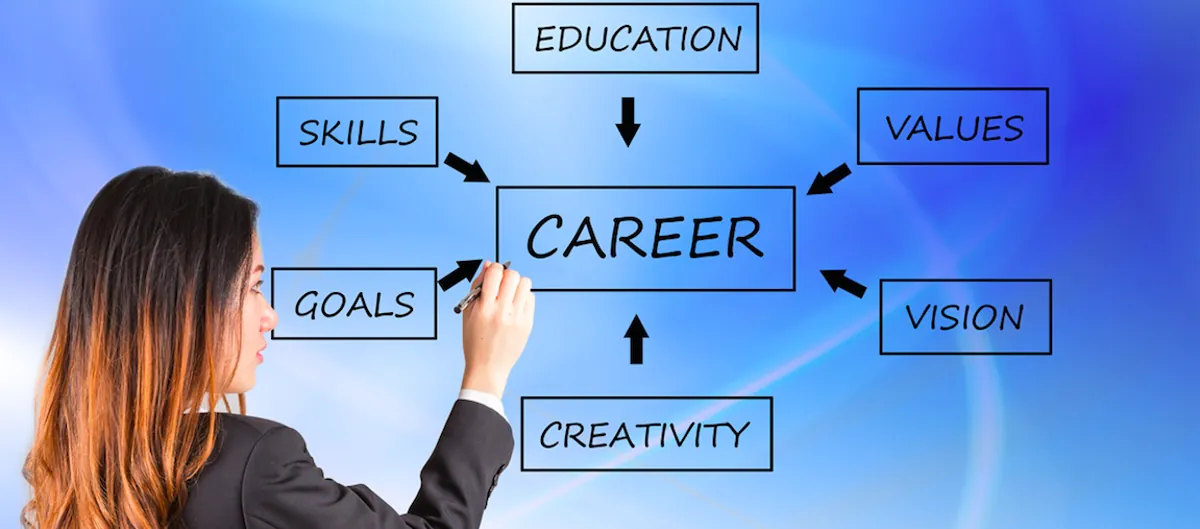
College is more than just lectures and exams; it’s a training ground for the professional world. Coursework in Ohio universities equips students with skills that extend beyond textbooks, directly preparing them to succeed in careers across industries. Understanding the connection between classroom learning and workplace competence can help students approach their assignments strategically. Developing Critical Thinking Skills Analyzing Complex Problems University courses push students to tackle multi-layered problems rather than memorize facts. This sharpens their ability to: Evaluate different perspectives Identify root causes of issues Suggest logical, evidence-based solutions Example: An Ohio business student analyzing a case study on a declining company must assess market trends, propose innovative solutions, and justify them with data, a process that mirrors decision-making in professional business environments. Learning powerful hook ideas improves written and oral communication, helping students capture attention in reports, presentations, and professional proposals. Evaluating Evidence Assignments teach students to weigh evidence, which is vital in careers like research, law, or healthcare. Learning to discern credible sources, interpret results, and defend conclusions is a skill that directly transfers to workplace projects. Enhancing Communication Abilities Academic Writing and Reporting Structured essays, lab reports, and research papers train students to: Organize ideas logically Use professional tone and vocabulary Reference sources correctly These writing habits are directly applicable to professional communication, such as drafting reports, proposals, and formal correspondence. Presenting and Public Speaking Coursework that requires presentations helps students practice: Clarity of speech Visual and data-driven storytelling Persuasion and audience engagement Example: A marketing student presenting a campaign strategy to classmates gains the confidence and skills needed to pitch ideas in a professional setting. Fostering Teamwork and Collaboration Group Projects Collaborative assignments mimic workplace teamwork, teaching students to: Delegate responsibilities efficiently Negotiate and resolve conflicts Achieve goals collectively under deadlines Professional Networking Simulation Group work introduces students to interpersonal skills that are essential for professional networking, like communication, adaptability, and reliability. Analyzing a graduation speech demonstrates how to present ideas clearly and persuasively, a skill crucial for professional presentations and pitching projects. Time Management and Organization Handling Multiple Assignments Students frequently balance multiple projects simultaneously, developing skills such as: Prioritizing tasks effectively Scheduling work to meet deadlines Adapting plans when priorities shift Self-Discipline and Independence College coursework requires self-motivation. Students learn to: Conduct research independently Meet deadlines without constant supervision Monitor their own progress These habits help students thrive in workplaces that demand autonomy and accountability. Technical and Industry-Specific Skills STEM and Technical Fields Assignments in science, engineering, and technology develop hands-on skills: Experimentation and lab techniques Data analysis and interpretation Software and coding proficiency Ohio’s universities often partner with industries, giving students exposure to tools and protocols used in professional settings. Writing a science fair project research paper builds skills in experimental design, data analysis, and professional reporting, which are applicable in STEM careers. Business and Economics Business courses focus on practical skills such as: Financial modeling Market research Strategic planning Students learn to apply theory to real-world business problems, preparing them for careers in finance, consulting, or entrepreneurship. Arts, Humanities, and Social Sciences Even non-technical disciplines build valuable skills: Analytical thinking from essay writing Research proficiency for social or historical projects Creative problem-solving in design, media, or communications These skills are highly transferable to careers in education, media, nonprofit work, and beyond. Experiential Learning Opportunities Internships and Practicums Many Ohio universities integrate internships or practicum experiences within coursework, enabling students to: Apply academic learning to actual work tasks Gain mentorship and industry insight Build resumes with tangible experience Simulations and Role-Playing Some courses incorporate simulations to mimic workplace scenarios, helping students practice decision-making and problem-solving in realistic contexts. Leveraging Coursework for Career Growth Choosing Practical Courses Students should prioritize courses that include: Real-world projects Case studies or scenario-based learning Industry collaborations Utilizing University Resources Ohio students can access career centers, workshops, and mentorship programs that connect coursework with professional preparation. Applying Feedback Professors’ feedback on assignments is a valuable tool for refining skills. Constructive critiques help students understand professional expectations and improve problem-solving, writing, and analytical abilities. Overcoming Common Challenges Managing Overload Balancing multiple projects can be overwhelming. Strategies include: Breaking assignments into smaller tasks Using planners or digital tools Seeking guidance from professors or peer mentors Connecting Theory to Practice Some students struggle to see the relevance of coursework. Solutions: Relate assignments to personal career goals Participate in internships or volunteer work Ask faculty for real-world examples Team Collaboration Issues Working in groups can be challenging. Best practices: Define clear roles early Communicate openly and regularly Focus on shared objectives rather than individual conflicts Real Benefits Beyond Career Preparation Confidence and Independence Completing challenging coursework builds: Self-assurance in problem-solving Resilience under pressure Adaptability in dynamic environments Networking Opportunities Group projects, internships, and faculty mentorship provide early networking experience, helping students establish professional connections before graduation. Completing a case study analysis example teaches students to assess problems critically and propose evidence-based solutions, directly mirroring workplace decision-making. Lifelong Learning Habits Assignments encourage students to research, analyze, and synthesize information, skills that support continuous professional growth. FAQs Q1. How do university assignments translate to job skills? A. Assignments teach research, analysis, communication, and problem-solving, all of which are essential for careers across industries. Q2. Are internships necessary for career readiness? A. While not always required, internships provide real-world experience that complements academic coursework and enhances employability. Q3. How can students maximize career preparation through coursework? A. Approach assignments with professional applications in mind, seek feedback, and participate in practical opportunities like projects, labs, and internships. Q4. Do Ohio universities offer career resources linked to coursework? A. Yes, most universities provide career centers, mentorship programs, and workshops to connect academic learning with professional skills. Q5. How can teamwork in assignments help in real-world jobs? A. Group projects develop collaboration, negotiation, and leadership skills, mirroring workplace dynamics. Final Thoughts University coursework equips Ohio students with a diverse skill set, preparing them for the challenges of professional life. Engaging fully with assignments, projects, and experiential learning ensures … Read more

Translate »