Academic Writing

Basics of Programming Languages: Python/Java/C++

Assignment 81 Instructions: Basics of Programming Languages – Python/Java/C++ Assessment Overview and Submission Requirements This assignment on topic of Programming Languages represents the entire summative assessment for the module and must be approached as a comprehensive, analytical study rather than a collection of coding exercises. It accounts for 100% of the module grade. Submissions must be uploaded via the Turnitin portal. Any other method of submission, including email, hard copy, or pen drive, will be considered non-compliant and will not be graded. The assignment requires a manuscript length of 5,000 to 5,500 words, excluding title pages, references, figures, or appendices. Submissions falling outside this range may affect your evaluation. Only your Student Reference Number (SRN) should be included to ensure anonymity. Personal identifiers, including names, emails, or university IDs, must be omitted. This assessment is scored out of 100 marks, with a minimum threshold of 50% for passing. All sources must be cited using the Harvard referencing system. Unreferenced content will be treated as plagiarism, and the assignment will be flagged in line with institutional policies. AI tools may be used solely for proofreading, grammar checking, or structural suggestions, but all analysis, interpretation, and coding reasoning must be independently produced. A completed Assignment Cover Sheet must accompany your submission; otherwise, it may be deemed invalid. Analytical Orientation and Intellectual Scope The focus of this assignment is to examine core principles of programming languages, specifically Python, Java, and C++, and how they enable structured problem-solving, data manipulation, and software development in modern digital contexts. You are expected to evaluate language features, application domains, and programming paradigms critically. This is not a simple comparative list; rather, you should integrate conceptual understanding with practical illustrations, demonstrating how each language’s design and functionality align with computational tasks. The report should explore: Syntax and semantic foundations of each language Memory management and data structures Object-oriented vs procedural programming paradigms Common libraries, frameworks, or APIs relevant to each language Performance, scalability, and practical use cases Your analysis should link programming language capabilities to real-world computational challenges across software engineering, data science, and systems development. Learning Outcomes Successful completion of this assignment should demonstrate your ability to: Identify and articulate fundamental programming constructs across Python, Java, and C++ Compare and contrast programming paradigms and their practical implications Evaluate language-specific strengths and weaknesses using evidence from technical sources Apply conceptual insights to code-oriented problem scenarios Develop structured recommendations for language selection based on task requirements These outcomes align with both theoretical and applied learning objectives in US undergraduate and postgraduate computing curricula. Structural Composition This report (Programming Languages) should be logically organized but does not require a conventional introduction–body–conclusion format. Instead, sections should flow organically, reflecting analytical reasoning and interconnectedness between language concepts, computational challenges, and practical application. Preliminary Pages Include: Declaration of Originality Title Page Table of Contents List of Figures/Tables (if applicable) These are excluded from the word count but are essential for professional presentation. Condensed Overview for Decision-Makers Executive Synopsis Provide a high-level overview of your analysis (approx. 500 words) that captures: Key distinctions between Python, Java, and C++ The rationale for examining these languages in parallel Principal findings regarding applicability, efficiency, and suitability Strategic recommendations for language use in various programming contexts This section is best written after completing the full analysis to ensure alignment with your evidence-based findings. Programming Constructs and Syntax Comparison Language Fundamentals This section examines the building blocks of each language: Variables, constants, and data types Control structures (loops, conditional statements) Functions/methods, classes, and modularity Exception handling and debugging practices Illustrate concepts with concise examples, highlighting how syntax affects readability, maintainability, and error-proneness. Paradigms and Conceptual Approaches Procedural, Object-Oriented, and Hybrid Models Evaluate each language’s paradigm orientation: Python: high-level, versatile, multi-paradigm approach Java: strongly object-oriented, class-based structure C++: object-oriented with low-level memory access and procedural elements Discuss how these paradigms influence program structure, scalability, and suitability for different problem domains. Memory Management, Performance, and Optimization Efficiency Considerations Analyze language-specific approaches to: Dynamic vs static memory allocation Garbage collection and manual memory management Execution speed, compilation vs interpretation, and performance trade-offs Incorporate examples or case studies demonstrating efficiency implications in real-world applications. Libraries, Frameworks, and Ecosystem Integration Practical Utility Each programming languages benefits from distinct libraries and frameworks. Discuss how these expand functionality, for example: Python: NumPy, Pandas, TensorFlow Java: Spring Framework, JavaFX C++: STL, Boost, Qt Explain how libraries influence language adoption for specific domains such as data analysis, enterprise applications, or system programming. Risk, Limitations, and Development Challenges Technical and Operational Constraints Critically evaluate challenges associated with each language: Python: slower execution, dynamic typing limitations Java: verbose syntax, JVM dependency C++: complexity, memory safety concerns Connect these challenges to practical project scenarios, considering team skill levels, project scope, and long-term maintenance requirements. Application Scenarios and Case Studies Contextual Implementation Provide realistic application scenarios for each language: Python: rapid prototyping, data science, AI/ML Java: enterprise systems, cross-platform applications C++: game development, high-performance computing Discuss why language choice affects development strategy, maintainability, and resource allocation. Recommendations for Programming Strategy Evidence-Based Guidance Synthesize findings into actionable guidance for selecting a programming language based on: Task complexity and computational requirements Development team expertise Integration with existing systems or libraries Performance and efficiency priorities Ensure recommendations are practical and supported by evidence, avoiding generic prescriptions. Integrative Reflection Holistic Insights This final section should connect technical understanding to broader educational and professional implications. Discuss how knowledge of multiple languages supports: Cross-platform development competence Flexibility in problem-solving Strategic decision-making in software design References and Academic Standards Use Harvard referencing consistently Incorporate a broad spectrum of sources: academic papers, textbooks, technical documentation, industry reports Tables, code snippets, or figures must be clearly labeled and cited appropriately Professional presentation, page numbering, and consistent formatting are required. Wordcount Allocation Executive Synopsis – 500 words Provides a high-level overview aimed at decision-makers. Programming Constructs – 700 words Covers syntax, variables, control structures, and modularity. Paradigms and Conceptual Approaches – 600 words Discusses object-oriented, procedural, and hybrid programming models. Memory … Read more
Web Development: Frontend and Backend Technologies

Academic Brief: Web Development Through the Lens of Frontend and Backend Technologies Assignment 23 Framing the Academic Context of This Work Web development is often treated as a purely technical skill set. In academic environments, however, it deserves closer examination as a layered system of decisions that influence usability, data integrity, security, accessibility, and long-term scalability. This assignment is designed to move your thinking beyond tools and syntax and into how frontend and backend technologies function together as an integrated ecosystem. Rather than producing a how-to guide or a technical manual, you are expected to demonstrate conceptual understanding, analytical depth, and informed judgment. The work should reflect how web systems are planned, structured, and evaluated, not merely built. This task aligns with expectations commonly found in computing, information systems, and software engineering programs across U.S. universities, where technical knowledge must be supported by reasoning, documentation, and academic accountability. Academic Conditions and Submission Parameters Scope, Length, and Assessment Weight This submission carries full academic weight for the module and must fall between 2,000 and 2,500 words. Writing beyond this range suggests weak academic discipline; falling short usually indicates underdeveloped analysis. All submissions are processed through the institution’s plagiarism detection system. Alternative submission methods, email, shared drives, or physical copies, are not accepted. Identity, Attribution, and Academic Conduct Your work should include only your student reference number. Personal identifiers are excluded to preserve academic neutrality. All external material, whether theoretical models, technical documentation, or scholarly commentary, must be referenced using Harvard-style citation, as practiced in U.S. academic institutions. Any unattributed material will be reviewed under academic integrity regulations. Artificial intelligence tools may be used only for surface-level language refinement. Conceptual framing, technology selection, analysis, and reasoning must remain entirely your own. Intellectual Purpose of the Assignment Why This Work Exists in the Curriculum This assignment evaluates your ability to: Understand the distinct and interdependent roles of frontend and backend technologies Analyze how technical choices affect performance, security, and user experience Engage with secondary academic and professional sources critically Communicate complex technical systems using clear academic language The strongest submissions show awareness that web development is not neutral. Every architectural choice carries implications for users, organizations, and data governance. Learning Intent Embedded Within the Task Capabilities This Assignment Is Designed to Reveal Your work should demonstrate that you can: Conceptualize a web system using appropriate technical language Evaluate complexity across client-side and server-side layers Position technology choices within real-world development contexts Articulate informed judgments rather than listing features These capabilities are assessed holistically through the coherence and depth of your discussion. Structural Pathway for the Submission The sections below reflect the intellectual flow expected, not a rigid template. You may adapt section emphasis, but the analytical progression should remain visible. Understanding the Web as a Layered System Moving Beyond Pages and Screens Begin by establishing web development as a multi-layered architecture rather than a collection of visual pages. This section should clarify how modern web applications rely on coordinated interaction between frontend interfaces, backend logic, databases, and external services. In U.S. industry and academic contexts, this layered thinking is essential for understanding: Application scalability Maintainability System security User-centered design Avoid technical history. Focus instead on how contemporary web systems are structured today. Frontend Technologies as the User’s Point of Contact Interfaces, Interaction, and Experience Design The frontend is not decoration; it is the primary space where users interpret system functionality. In this section, examine frontend technologies as tools for communication and control, not just presentation. Your discussion may include: HTML, CSS, and JavaScript as structural foundations Modern frameworks such as React, Vue, or Angular Accessibility standards and responsive design Performance considerations and browser behavior Use practical academic examples, such as comparing static and component-based interfaces, to illustrate your analysis. Backend Technologies and System Intelligence Where Logic, Data, and Security Reside Backend development governs how systems think, respond, and protect information. This section should explore backend technologies as decision-making engines, rather than hidden infrastructure. You may examine: Server-side languages such as Python, Java, Node.js, or PHP Frameworks like Django, Spring, or Express Database systems (SQL and NoSQL) Authentication, authorization, and data validation Demonstrate awareness of how backend decisions affect reliability, privacy, and compliance, particularly within U.S. regulatory environments. The Relationship Between Frontend and Backend Layers Coordination Rather Than Separation This section should focus on interaction, not contrast. Frontend and backend technologies do not operate in isolation; they negotiate responsibility through APIs, data formats, and communication protocols. Consider discussing: RESTful services and JSON data exchange Error handling across layers Latency and performance trade-offs Responsibility boundaries in system design Strong submissions show that technical coordination is as important as technical capability. Technology Selection and Development Context Why Tools Are Chosen, Not Just Used Technology stacks are shaped by context. In this section, analyze how factors such as project scope, user base, institutional constraints, and team expertise influence technology choices. You may draw examples from: Educational platforms E-commerce systems Healthcare or financial applications Startup versus enterprise development This discussion should reflect strategic thinking rather than preference-based reasoning. Contemporary Trends Influencing Web Development Shifts in Practice and Expectation Modern web development is influenced by rapid change. This section should critically examine current trends such as: Cloud-based backend services Jamstack architectures Progressive web applications Increased focus on cybersecurity Connect these trends to academic discussions around sustainability, ethics, and long-term system design. Integrating Academic and Professional Sources Making Evidence Work for Your Argument Rather than summarizing documentation or articles, integrate sources into a coherent analytical position. Compare viewpoints, acknowledge disagreement, and demonstrate judgment. This section should make clear that your conclusions are informed by evidence, not assumption. Implications for Web Development Education What This Analysis Reveals About Learning This section invites reflection on how frontend and backend technologies are taught and understood within university programs. Consider: The balance between theory and practice Skill fragmentation versus system thinking Preparation for real-world development environments Avoid prescriptive language. Focus instead on academic insight. Closing Perspective Without Formal Conclusion Positioning Your Understanding End … Read more

Mastering Project Management Research Projects in Ohio

Project Management Research Projects

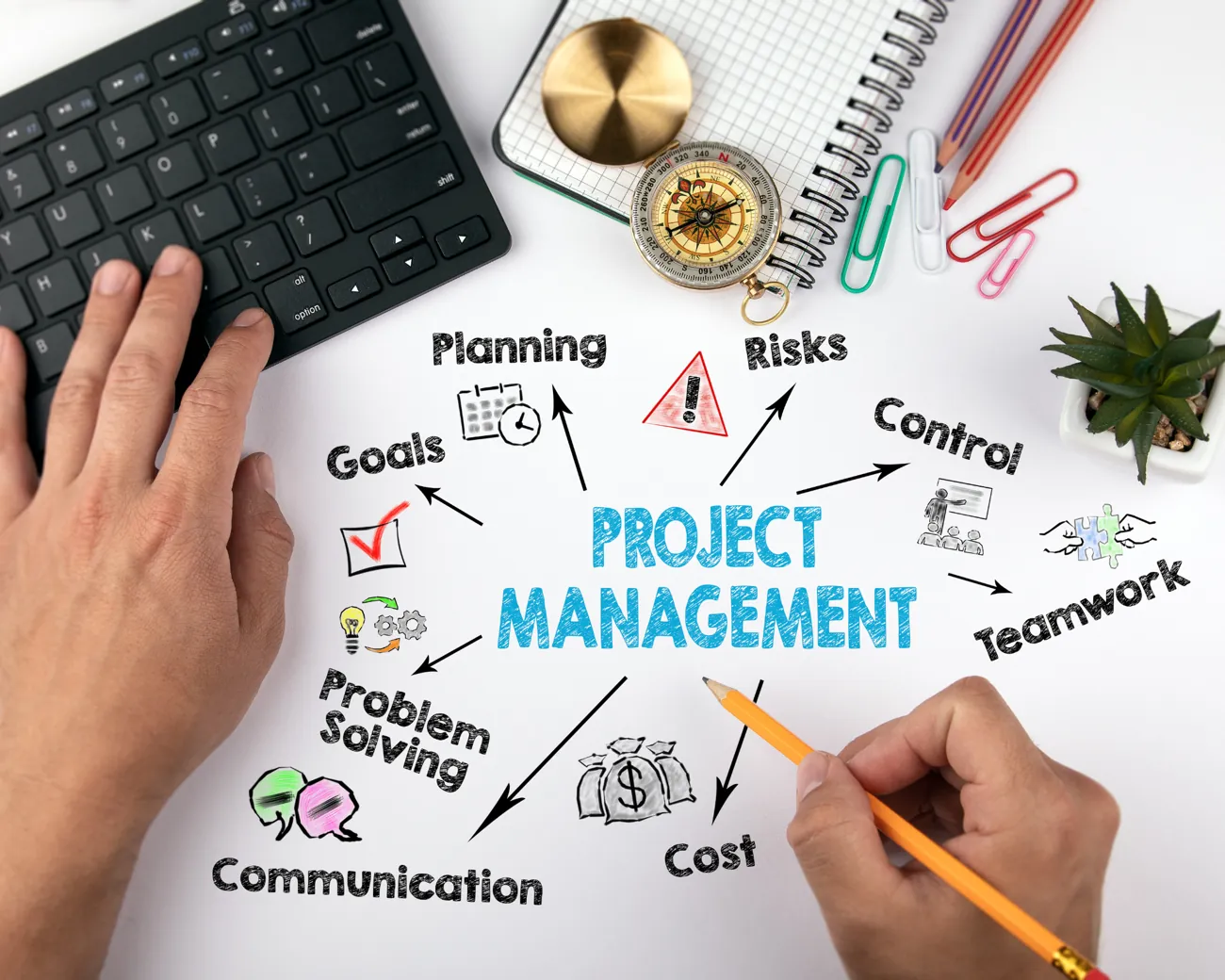
Embarking on a project management research project can be both exciting and daunting for students in Ohio. From understanding project objectives to applying structured methodologies, successfully navigating these assignments requires careful planning, research skills, and a deep understanding of academic expectations. This guide provides a detailed roadmap to help students deliver high-quality, well-organized, and insightful project management research projects. Overcoming common research writing challenges ensures students can integrate evidence, maintain clarity, and produce high-quality project reports. Understanding Project Management Research Projects What Is a Project Management Research Project? A project management research project is a structured academic assignment designed to examine the principles, techniques, and applications of project management in real-world or theoretical scenarios. These projects typically require students to: Identify a specific research problem or question Review relevant literature and frameworks Collect and analyze data systematically Propose evidence-based recommendations or solutions Unlike routine essays, project management research projects emphasize practical application, critical analysis, and strategic thinking. Students are expected to demonstrate a balance between theory and practice while adhering to rigorous academic standards. Importance in Academic and Professional Contexts For students in Ohio, particularly those attending universities such as Ohio State University, Kent State University, or Miami University, these projects: Enhance analytical and problem-solving skills Improve familiarity with project management tools and frameworks Prepare students for industry-related project work and leadership roles Strengthen research, writing, and presentation skills Completing a project management research project successfully also helps students develop time management, collaboration, and decision-making capabilities, skills highly valued in both academic and professional settings. Planning Your Project Management Research Project Selecting a Research Topic Choosing a relevant and feasible research topic is the first step. Considerations include: Relevance: Ensure the topic aligns with current trends or challenges in project management. Scope: Avoid topics that are too broad or too narrow. Focus on specific aspects like risk management, agile methodology, or stakeholder communication. Resource Availability: Ensure access to credible data, scholarly articles, and case studies. Example: A student might explore “The Impact of Agile Methodology on Software Development Project Success in Ohio-Based Companies.” This topic is focused, researchable, and provides a real-world application. Establishing Objectives and Research Questions Clear objectives and research questions guide the project and ensure coherence. For example: Objective: To evaluate how agile practices affect project timelines and team efficiency. Research Questions: How do agile frameworks influence project completion rates? What challenges do project managers face when implementing agile methodologies? Formulating precise questions helps students maintain a structured approach throughout the research project. Selecting clear, focused topics for informative essays helps students frame research questions and objectives for their project management assignments. Developing a Timeline and Plan Effective time management is critical. Ohio students juggling multiple courses or part-time jobs should: Break the project into phases: topic selection, literature review, methodology design, data collection, analysis, and report writing Allocate realistic timeframes for each phase Include buffers for unforeseen delays Using project management tools such as Gantt charts or Trello boards can improve organization and accountability. Conducting Effective Research Literature Review A literature review demonstrates familiarity with existing knowledge and identifies research gaps. Steps include: Source Selection: Focus on peer-reviewed journals, academic books, and reputable industry reports. Critical Analysis: Summarize, compare, and evaluate the relevance of findings. Synthesis: Integrate insights to build a conceptual framework for your study. Example: When researching risk management, students might examine multiple case studies, highlight common strategies, and identify areas needing improvement. Data Collection and Analysis Data collection depends on the research design: Qualitative: Interviews, focus groups, and open-ended surveys can provide in-depth insights into project management practices. Quantitative: Structured surveys, statistical databases, and project performance metrics allow numerical analysis and trend identification. Example: A survey of project managers in Ohio-based tech firms might reveal patterns in agile adoption and its effect on project success. Analysis requires careful interpretation: Identify trends, correlations, or deviations Compare results with existing literature Draw conclusions grounded in evidence Statistical tools like SPSS, Excel, or Python-based analysis can assist in handling large datasets effectively. Structuring Your Project Management Research Project Introduction Introduce the research problem or question Explain the relevance and significance of the study Outline objectives and scope Example: “Effective project management is critical for organizational success. This research examines how agile methodologies impact software development projects in Ohio-based companies, focusing on efficiency, team collaboration, and project outcomes.” Literature Review Summarize existing research Highlight gaps and inconsistencies Position your study within the academic discourse Methodology Explain research design, tools, and techniques Detail data collection procedures Justify the selection of methods Example: “A mixed-methods approach is employed, combining survey data from 50 project managers with qualitative interviews to capture contextual insights.” Findings and Analysis Present data in a clear, structured format (tables, charts, graphs) Analyze results with reference to research questions Highlight significant trends, anomalies, or insights Example: “Survey results indicate that agile practices improve project completion rates by 20%, but challenges in stakeholder communication persist.” Discussion Interpret findings in relation to the literature Address research questions Discuss implications for project management theory and practice Conclusion and Recommendations Summarize key findings and their significance Suggest practical recommendations for project managers or organizations Highlight areas for future research Example: “Organizations should provide agile training for teams to enhance project efficiency. Future studies could explore cross-industry comparisons within Ohio.” Using effective sentence starters enhances clarity and flow when writing project introductions, analyses, and conclusions. Common Challenges in Project Management Research Projects Scope Creep Expanding the project beyond its initial scope can overwhelm students. Clear objectives and a focused research question prevent unnecessary digression. Data Access and Reliability Students may face difficulties accessing credible data. Leveraging Ohio university libraries, online databases, and professional networks helps maintain data integrity. Analysis Complexity Interpreting large datasets or integrating qualitative and quantitative findings can be challenging. Using structured frameworks like SWOT analysis, Gantt charts, or risk matrices can clarify insights. Writing and Formatting Maintaining academic tone, proper citation, and clear organization is critical. Using APA or MLA styles ensures credibility and aligns with US … Read more

Translate »