Academic Writing

Work-Life Balance in Modern Professional Culture

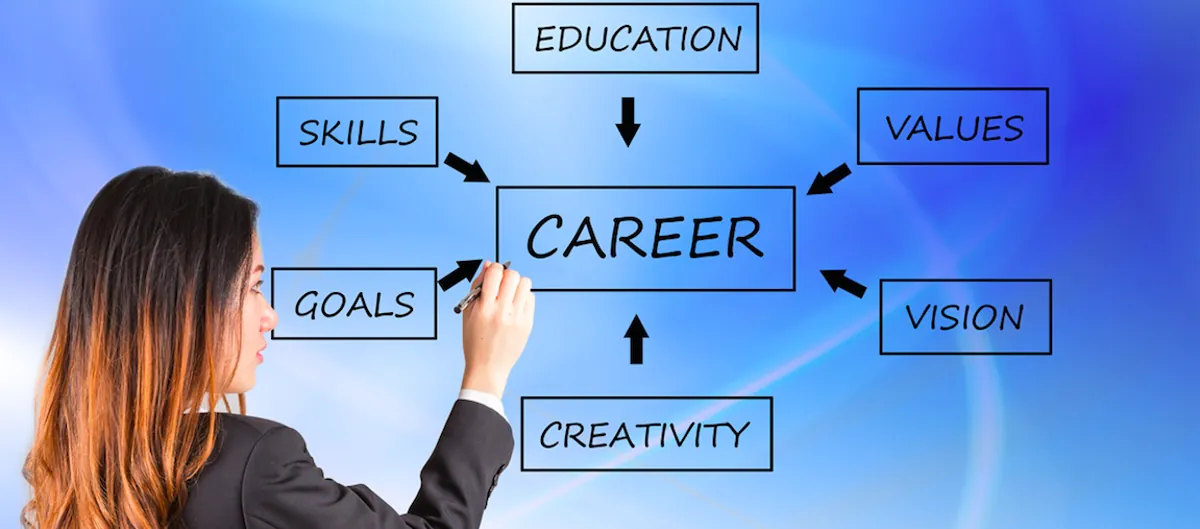
Assignment 64 Instructions for Essay Writing on An Analysis of Work-Life Balance in Modern Professional Culture General Assessment Guidance This submission accounts for 100% of your module marks and must be 5,000 to 5,500 words. Submissions beyond this word limit will not be accepted; under the limit is allowed, but aim for full coverage. Upload only via Turnitin. Email, pen drive, or hard copy submissions will not be considered. Do not include your name; only your Student Reference Number (SRN) should appear. Total marks: 100; minimum passing threshold: 50%. Apply the Harvard Referencing System consistently. Unreferenced material will be treated as plagiarism. AI may only assist in proofreading or language correction, not content creation. Include a completed Assignment Cover Sheet; missing sheets may invalidate the submission. Assessment Brief Framing the Inquiry This essay on requires you to investigate work-life balance in modern professional culture, with a focus on systemic pressures, organizational expectations, and individual experiences. You will critically analyse how professional norms, technological connectivity, and societal expectations shape employees’ ability to balance work and personal life. This is not a descriptive exercise; your submission (Work-Life Balance) should interweave empirical research, theoretical perspectives, and practical case examples to explore both causes and consequences of work-life imbalance. Learning Outcomes LO1 – Investigate the systemic and personal factors influencing work-life balance. LO2 – Critically evaluate workplace policies, cultural norms, and technology’s role in shaping professional life. LO3 – Construct an evidence-based analytical essay appropriate for scholarly discourse. LO4 – Recommend strategies or interventions that enhance sustainable work-life practices. Key Areas to Explore Executive Overview of Findings Conceptual Context and Definitions Drivers of Work-Life Imbalance Implications for Professionals and Organizations Evaluation Using Secondary Data Strategies and Recommendations You are expected to demonstrate deep understanding of organizational culture, labor trends, human resource frameworks, and psychological well-being, using evidence to support analysis. Essay Structure Guidelines Declaration Page Title Page Table of Contents List of Figures/Tables/Abbreviations (if relevant) Executive Overview of Findings Conceptual Context and Definitions Drivers of Work-Life Imbalance Implications for Professionals and Organizations Evaluation Using Secondary Data Strategies and Recommendations Harvard References Appendices (if required) Total length: 5,000 to 5,500 words (excluding front matter, references, appendices). Word Count Breakdown (Approximate) Executive Overview – 500 Conceptual Context – 300 Drivers of Work-Life Imbalance – 600 Implications for Professionals – 600 Evaluation with Secondary Data – 2,000 Strategies and Recommendations – 1,000 Total – 5,000 Executive Overview Guidelines Approximately 500 words, summarizing the key drivers, impacts, and strategic insights. Include evidence-based observations on workplace expectations, employee experiences, and policy implications. For distinction: provide a clear rationale for why understanding work-life balance matters in the context of modern professional culture. Section Guidelines Conceptual Context and Definitions Define work-life balance, related constructs like work-life integration or occupational well-being. Discuss historical and contemporary perspectives on professional culture. Include scholarly theories such as boundary theory, role theory, or job demands-resources model. Drivers of Work-Life Imbalance Examine systemic pressures: long working hours, globalized work demands, and corporate expectations. Investigate technology-induced pressures, including constant connectivity and remote work blurring boundaries. Consider social and cultural expectations affecting employees across demographics. Implications for Professionals and Organizations Discuss impacts on mental health, job satisfaction, and productivity. Evaluate organizational outcomes: turnover, engagement, and organizational culture implications. Incorporate case examples from industries, higher education, or public sector organizations. Evaluation Using Secondary Data Critically analyse research studies, surveys, reports, and HR data. Compare findings across sectors, professional levels, and demographic groups. Discuss methodological limitations and contextual factors affecting results. Strategies and Recommendations Suggest evidence-based strategies for individuals: time management, boundary-setting, resilience practices. Examine organizational interventions: flexible schedules, wellness programs, managerial support, and technology policies. Link recommendations to analysis, emphasizing sustainability and strategic value. References and Presentation Use Harvard referencing consistently, including academic journals, professional reports, and credible online sources. Maintain professional formatting: numbered pages, clearly labeled tables/figures, consistent headings. Ensure clarity, logical flow, and depth while avoiding repetition. This assignment values critical thinking, synthesis of multiple perspectives, and actionable insights. Strong submissions articulate connections between individual experiences, organizational norms, and broader societal trends, providing a holistic understanding of work-life balance challenges and solutions in contemporary professional contexts.

Causes of Burnout Among University Students

Assignment 62 Instructions: Essay on Analyzing the Causes of Burnout Among University Students Situating the Inquiry: Understanding Student Burnout This essay on Burnout Among University Students invites you to investigate the causes of burnout among university students, a phenomenon that combines psychological, social, and academic dimensions. Approach burnout not as a singular event but as a complex interplay of stressors, coping strategies, and institutional structures. Consider both individual-level factors, such as time management and resilience, and systemic influences, including academic expectations, campus culture, and digital engagement. Your submission should be 5,000 to 5,500 words, organized as a continuous analytical narrative rather than discrete summaries of studies. The strongest essays synthesize evidence to reveal underlying patterns and mechanisms, showing how burnout emerges and persists within contemporary higher education contexts. Clarifying Key Concepts Defining Burnout in the Academic Context Burnout is more than exhaustion. It typically includes emotional depletion, reduced academic efficacy, and depersonalization or disengagement. Differentiate between situational fatigue and chronic burnout, and consider validated instruments such as the Maslach Burnout Inventory–Student Survey (MBI-SS) for empirical grounding. Academic, Social, and Digital Dimensions Student life is multifaceted. Burnout arises from pressures in coursework, social integration, extracurricular demands, and increasingly, digital connectivity. Recognize the diversity of experiences across disciplines, year levels, and modes of study, including hybrid and online learning environments. Historical and Structural Contexts Evolution of Academic Stress Investigate how modern higher education culture, rising tuition, competitive grading, and credential inflation, has contributed to elevated stress levels. Compare historical data to illustrate trends in workload, institutional expectations, and societal pressures on students. Institutional Structures and Policy Campus policies, advising systems, and support services shape the environment in which burnout occurs. Examine how institutional priorities, assessment practices, and access to mental health resources interact with student well-being. Mechanisms Driving Burnout Academic Pressure and Performance Demands Explore how high workload, frequent assessments, and performance-oriented grading contribute to stress accumulation. Include evidence linking course intensity, credit load, and perceived academic self-efficacy to burnout symptoms. Social and Interpersonal Factors Consider the role of peer competition, social isolation, and community engagement. Examine how students’ support networks, or lack thereof, affect resilience and coping capacity. Technological and Digital Influences Digital connectivity can exacerbate burnout through constant notifications, online deadlines, and the pressure to maintain a curated social presence. Discuss the dual role of technology as both a resource and a stressor. Patterns Across Student Populations Differences by Demographics and Study Level Burnout Among University Students prevalence may vary by age, gender, socioeconomic status, and field of study. Highlight research showing differential experiences of undergraduate versus graduate students, or STEM versus humanities disciplines. Intersectional Considerations Examine how intersecting identities, including first-generation status, minority identity, and caregiving responsibilities, shape vulnerability to burnout. Intersectional analysis illuminates structural inequities that influence student experiences. Evidence-Based Evaluation of Interventions Campus-Based Support Structures Analyze the effectiveness of counseling services, mentorship programs, wellness initiatives, and academic accommodations. Critically evaluate research on their impact, highlighting best practices and limitations. Individual Coping Strategies Students employ strategies such as time management, mindfulness, peer support, and exercise. Assess which approaches are supported by evidence, noting contextual factors that determine efficacy. Interdisciplinary Synthesis Psychological, Educational, and Sociological Perspectives Integrate insights from multiple fields: psychology for cognitive and emotional processes, education for learning environments and institutional practices, and sociology for structural and community influences. This enriches analysis and avoids reductionist explanations. Methodological Challenges Acknowledge limitations in existing research: reliance on self-reports, cross-sectional designs, and variability in burnout measurement. Address these constraints to demonstrate critical engagement with evidence. Organizing Analysis as a Progressive Argument Structure your essay to progress from conceptual definitions to mechanisms, patterns, interventions, and broader implications. Each section should build on previous insights, creating a cohesive narrative that explains not just what causes burnout, but how and why these factors interact within student life. Synthesizing Insights Without Oversimplifying Conclude by highlighting nuanced understanding rather than prescriptive solutions. Discuss conditions under which burnout is most likely, potential mitigating strategies, and areas where policy or institutional reform could be impactful. Strong conclusions may: Reassess initial assumptions in light of evidence Identify systemic and structural contributors Suggest directions for research or campus interventions without overgeneralization Scholarly Standards, Referencing, and Presentation Use Harvard referencing consistently across all sources. Draw on peer-reviewed studies, longitudinal surveys, institutional reports, and credible empirical research. Maintain formal academic style while ensuring clarity and readability. Present work professionally: numbered pages, clearly labeled tables/figures, and consistent formatting. Submit exclusively through Turnitin or the approved plagiarism-detection system, using only your Student Reference Number. AI tools may only be used for proofreading, formatting, or minor language refinements—not for content creation or analysis. Instructor’s Perspective Burnout among university students is both pervasive and multifactorial. This assignment rewards essays that navigate complexity: situating individual experiences within institutional structures, social contexts, and digital environments. Successful submissions demonstrate analytical rigor, critical synthesis, and engagement with evidence across disciplines, showing both depth and breadth of understanding.

Time Management Challenges Faced by Ohio College Students

Time Management Challenges Faced by Ohio College Students

For many students in Ohio, balancing classes, assignments, part-time jobs, and personal life can feel overwhelming. Time management is one of the most common hurdles in college life, and how effectively students navigate it often determines both academic success and personal well-being. Why Time Management Is a Critical Skill Academic Demands in Ohio Colleges Students in Ohio universities face rigorous coursework, often across multiple disciplines. Assignments, essays, lab reports, and presentations all come with strict deadlines. US academic standards prioritize punctuality and quality, meaning poor time management directly impacts grades. Knowing how professors evaluate essays helps students prioritize tasks and dedicate sufficient time to high-impact assignments. Extracurricular and Personal Commitments Beyond academics, students participate in clubs, sports, and volunteer work. Many also work part-time to support themselves. Balancing these responsibilities without sacrificing study time requires deliberate planning. Common Time Management Challenges Procrastination One of the biggest challenges students face is delaying tasks. Ohio students often underestimate how long assignments take, assuming they can complete them at the last minute. This leads to rushed work, increased stress, and lower quality submissions. Example: A student may start a 2,000-word essay just two days before the deadline. The result is incomplete research, poor analysis, and missed citations, which directly affect grades. Overcommitment Taking on too many activities is another common issue. While involvement is encouraged, spreading oneself too thin reduces focus on academics. Example: A student juggling part-time work, sports practice, and multiple courses may struggle to allocate enough time for each assignment. Poor Prioritization Not all tasks are equally urgent or important. Students who fail to prioritize often spend excessive time on low-impact activities while neglecting major projects. Understanding effective essay on management of time strategies is essential for Ohio students balancing multiple courses, assignments, and personal responsibilities. Example: Spending hours on a minor discussion post while delaying a research paper due the next day. Impact on Academic Performance Lower Assignment Quality Time pressure often compromises essay structure, depth of analysis, and source integration. Ohio professors expect well-researched, logically organized, and polished essays. Rushed assignments rarely meet these standards. Missed Deadlines Many colleges in Ohio apply strict late submission policies. Missing deadlines, even by a few hours, can result in significant grade deductions. Increased Stress and Burnout Consistently poor time management leads to chronic stress, which affects concentration, memory, and overall performance. Strategies to Overcome Time Management Challenges Create a Structured Schedule Use planners or digital calendars to track: Class timings Assignment deadlines Study blocks Extracurricular activities Visualizing time commitments helps identify potential conflicts and allocate effort effectively. Break Tasks Into Smaller Steps Large assignments can feel intimidating. Breaking them into smaller, manageable tasks makes them less overwhelming and easier to complete on time. Example: For a research essay: Day 1: Choose topic and gather sources Day 2–3: Read and take notes Day 4–5: Outline essay Day 6–7: Write draft Day 8: Revise and edit Prioritize Using the Eisenhower Matrix Categorize tasks as: Urgent & Important Important but Not Urgent Urgent but Not Important Neither Urgent nor Important This method helps students focus on high-impact activities while minimizing time wasted on low-priority tasks. Understanding the purpose of narrative writing allows students to break larger writing tasks into structured steps, improving both efficiency and quality under tight deadlines. Avoid Multitasking Switching between tasks reduces efficiency. Focused work blocks improve productivity and quality. Set Realistic Goals Overambitious daily goals can demotivate students. Realistic, achievable targets prevent burnout and build consistency. Leverage Academic Support Services Ohio colleges provide resources such as writing centers, tutoring, and time management workshops. Using these services helps students plan and execute assignments more effectively. Time Management Tools and Techniques Digital Tools Apps like Google Calendar, Trello, and Notion can help students: Visualize deadlines Track progress Set reminders for assignments Pomodoro Technique Working in focused intervals (typically 25 minutes) followed by short breaks can improve concentration and reduce fatigue. Time Audits Tracking how time is spent over a week helps identify inefficiencies and adjust schedules accordingly. Discipline-Specific Considerations STEM Courses Students in STEM fields often face lab reports and problem sets with strict deadlines. Poor time management can lead to incomplete experiments and inaccurate results. Humanities and Social Sciences Essays and research papers require extended reading and synthesis of multiple sources. Allocating sufficient time for research and revision is critical. Professional Programs Business or applied courses emphasize both academic assignments and practical projects. Students must balance real-world applications with essay writing and deadlines. Challenges for Online and Hybrid Learners in Ohio With the rise of online learning, time management has become even more crucial. Online students may face: Less structured schedules Increased distractions at home Difficulty in maintaining accountability Strategies like dedicated study spaces, self-imposed deadlines, and consistent routines are essential for success. Poor time allocation often contributes to common mistakes highlighted in students lose marks on assignments, such as rushed research or incomplete analysis. Building a Time Management Mindset Recognize Personal Productivity Patterns Some students work best in the morning, others at night. Understanding personal peak productivity hours allows for optimal scheduling of high-focus tasks. Accept That Perfection Is Not Immediate Time management is a skill that improves with practice. Students should focus on consistent progress rather than instant perfection. Reflect and Adjust Weekly Reviewing completed tasks, identifying bottlenecks, and adjusting schedules helps students develop more effective habits over time. FAQs Q1. Why do Ohio college students struggle with time management? A. Heavy coursework, extracurricular commitments, and part-time jobs often compete with assignment deadlines. Q2. Can planning really improve grades? A. Yes. Structured schedules, prioritization, and task breakdown help students complete assignments more efficiently and improve quality. Q3. How do online classes affect time management? A. Less structured online environments require stronger self-discipline, dedicated study routines, and personal accountability. Q4. Are part-time jobs compatible with good time management? A. Yes, if students plan carefully and allocate study blocks around work hours. Q5. What’s the best technique for avoiding procrastination? A. Breaking tasks into small steps, setting realistic goals, and … Read more

Why Students Lose Marks on Written Assignments

Why Students Lose Marks on Written Assignments

Many students in Ohio put hours into their written assignments and still feel disappointed when grades come back lower than expected. In most cases, marks aren’t lost because students lack effort or intelligence, they’re lost because of avoidable academic missteps that US universities consistently penalize. Reviewing character essay examples can help Ohio students see how to structure arguments and organize paragraphs effectively, reducing lost marks due to weak essay structure. Misunderstanding the Assignment Question Reading the Prompt Too Quickly One of the most common reasons students lose marks on written assignments is misunderstanding what the question is actually asking. College prompts are often layered, with specific instructions hidden in academic language. For example, a prompt asking students to analyze a concept requires breaking it down and examining relationships, not just explaining what it means. Many Ohio students write detailed responses that are simply the wrong type of answer. Ignoring Key Instruction Words Words like compare, critically evaluate, apply, or discuss carry precise expectations under US academic standards. Missing these cues leads to: Incorrect structure Weak relevance Lost marks even when content is accurate Professors grade based on alignment with the task, not just effort. Weak or Unclear Thesis Statements Writing Without a Central Argument College-level writing requires a clear position. Assignments that lack a strong thesis often feel unfocused, even if the research is solid. In Ohio universities, graders expect: A defined argument early in the paper Logical development around that claim Consistent alignment between paragraphs and thesis Without this anchor, essays tend to drift and lose analytical depth. Vague or Overly Broad Claims Statements like “This essay will discuss various aspects of the topic” signal uncertainty rather than insight. A strong thesis must be specific, debatable, and defensible. Poor Essay Structure and Organization Paragraphs Without Purpose Each paragraph should serve a clear function, advancing the argument, presenting evidence, or analyzing findings. Many students lose marks because their paragraphs: Combine multiple ideas Lack topic sentences Jump between points without transitions This makes essays harder to follow and weaker academically. Weak Introductions and Conclusions Introductions that summarize the topic without presenting direction, and conclusions that simply repeat earlier points, often result in lost marks. Professors expect introductions to frame the argument and conclusions to reflect insight, not repetition. Insufficient Critical Analysis Too Much Summary, Not Enough Thinking Another major reason students in Ohio lose marks is relying too heavily on summaries of readings. While demonstrating understanding matters, college writing prioritizes interpretation and critique. Professors look for: Evaluation of ideas Connections between sources Independent reasoning An essay filled with summaries but no analysis rarely scores well. Playing It Too Safe Many first-year and even senior students hesitate to challenge ideas. However, academic writing values thoughtful questioning when supported by evidence. Safe writing often reads as shallow writing. Weak Use of Academic Sources Using the Wrong Type of Sources Assignments often specify “academic” or “scholarly” sources. Using blogs, opinion pieces, or general websites, even if informative, can result in immediate deductions. Ohio universities expect: Peer-reviewed journals Academic books Reputable institutional reports Source quality directly affects grades. Poor Integration of Evidence Simply inserting quotes without explanation weakens essays. Marks are lost when students fail to: Explain why evidence matters Connect sources to their argument Balance quotation with original analysis Sources should support the student’s voice, not replace it. Citation and Referencing Errors Inconsistent or Incorrect Formatting APA, MLA, and Chicago styles are treated as academic standards, not suggestions. Common errors include: Missing in-text citations Incorrect reference list formatting Mismatch between citations and references Even small mistakes can accumulate into noticeable grade reductions. Adhering to proper MLA format ensures citations and references meet U.S. academic standards, preventing common lost marks from incorrect formatting or accidental plagiarism. Accidental Plagiarism Many students don’t intend to plagiarize, but improper paraphrasing or missing citations still violate academic integrity policies. Ohio colleges enforce plagiarism rules consistently, regardless of intent. Academic Tone and Language Issues Writing Too Casually College writing is formal, but that doesn’t mean complicated. Students often lose marks for: Informal phrases Emotional or opinion-heavy language Overuse of “I think” or “I believe” Academic tone focuses on clarity, objectivity, and precision. Grammar and Clarity Problems Frequent grammar issues, awkward phrasing, or unclear sentences distract graders from content. While minor errors won’t fail a paper, repeated mistakes reduce credibility and marks. Poor Time Management Rushing the Writing Process Many students underestimate how long quality writing takes. Leaving assignments until the last minute leads to: Shallow research Minimal revision Increased errors Ohio college deadlines are firm, and rushed work often shows. Skipping the Revision Stage First drafts are rarely submission-ready. Essays that haven’t been revised often suffer from weak arguments, repetition, and structural flaws, all of which cost marks. Not Following Assignment Guidelines Ignoring Formatting Requirements Word count, font type, spacing, and file format may seem minor, but they are part of grading criteria. Failing to follow them signals carelessness. Overlooking Rubrics Rubrics explain exactly how marks are allocated. Students who don’t align their work with rubric criteria often miss easy points. Misjudging Feedback and Expectations Repeating the Same Mistakes Some students receive feedback but don’t apply it to future assignments. Professors expect visible improvement over time, especially in writing-intensive courses. Assuming Effort Equals Grades In college, effort alone doesn’t guarantee results. Grades reflect how well students meet academic standards, not how hard they tried. Even fun ideas for PowerPoint presentations highlight the importance of clear communication and organization, skills that translate to stronger written paragraphs. Discipline-Specific Writing Mistakes Using the Same Writing Style for Every Course Writing expectations vary by field: Sciences value precision and structure Humanities emphasize argument and interpretation Business focuses on clarity and application Using the wrong approach for a discipline often leads to lost marks. How Ohio Students Can Protect Their Grades Start With Understanding, Not Writing Before drafting, students should ask: What is the core question? What type of response is required? What standards apply? Clarity at the start prevents mistakes later. Treat Writing … Read more

Why First-Year College Writing Feels So Challenging

Why First-Year College Writing Feels So Challenging

The first year of college often surprises students, not because the workload exists, but because the writing expectations feel unfamiliar and demanding. Many students in Ohio universities quickly realize that college writing is judged by very different standards than anything they encountered before. For tips on refining your academic style, students can also explore MLA formatting guidance to ensure proper structure and citations. The Shift From High School Writing to College Writing College Writing Is About Thinking, Not Just Answering In high school, writing is often about showing that you understood the material. In college, especially under US academic standards, writing is about how you think about that material. First-year students are expected to: Analyze rather than summarize Argue rather than describe Question ideas rather than accept them This intellectual shift is one of the main reasons why college writing standards feel harder in the first year. There Is No Single “Correct” Answer Many Ohio students struggle because college assignments rarely reward memorized responses. Professors want to see: A clear position Logical reasoning Evidence-based support Two students can write completely different essays on the same topic and both earn strong grades, if their arguments are well developed. Academic Tone Feels Unnatural at First Conversational Writing Is No Longer Enough College writing requires a formal academic tone that balances clarity with professionalism. This doesn’t mean sounding complicated, it means being precise, objective, and disciplined. Common first-year mistakes include: Overusing personal opinions Writing casually or emotionally Avoiding complex sentence structure altogether Adjusting to this tone takes time and practice. Authority Must Come From Sources, Not Opinion In Ohio universities, your voice matters, but it must be supported by credible research. Statements without academic backing are usually challenged or marked down. This is where many first-year students feel stuck: they have ideas, but they’re unsure how to integrate scholarly voices into their own writing. Research Expectations Increase Immediately “Use Sources” Means Use Academic Sources One major reason why college writing standards feel harder in the first year is the sudden emphasis on research quality. Professors expect students to use: Peer-reviewed journal articles Academic books Institutional and government publications General websites, blogs, and AI summaries rarely meet these standards unless explicitly approved. Research Is Part of the Grade In Ohio colleges, research isn’t just background, it’s assessed directly. Students are graded on: Source relevance Source credibility Integration of evidence Poor research choices can weaken even well-written essays. Citation Rules Add Pressure Early On Formatting Matters More Than Students Expect Citation styles such as APA, MLA, or Chicago are not optional details. Even small formatting errors can lead to point deductions. First-year students often struggle with: In-text citation placement Reference list formatting Quoting versus paraphrasing correctly Learning citation is less about memorization and more about understanding academic responsibility. Plagiarism Standards Are Strict From Day One Ohio universities apply plagiarism policies consistently across all levels. Unintentional plagiarism, often caused by poor paraphrasing or missing citations, is still treated seriously. This creates anxiety for first-year students who are still learning academic conventions. Assignment Prompts Are Intentionally Open-Ended Ambiguity Is Part of the Learning Process College prompts often feel vague on purpose. Instead of telling students exactly what to write, professors provide: A central question Broad objectives Evaluation criteria Students must interpret the task independently, which can feel uncomfortable at first. For additional guidance on formal academic speech and storytelling, reviewing a graduation speech example can help students see professional tone and flow in practice. Understanding Action Words Is Critical Terms like analyze, evaluate, critique, or synthesize have specific meanings in academic writing. Misunderstanding them can lead to writing the wrong type of paper entirely. This is a common reason first-year essays underperform, even when effort is high. Time Pressure Makes Writing Feel Harder Deadlines Are Firm Under US Academic Standards In Ohio universities, deadlines are treated as professional commitments. Late submissions often result in penalties regardless of quality. First-year students may underestimate: How long research takes How much revision is expected How quickly multiple deadlines stack up Writing under pressure amplifies stress and reduces clarity. Writing Is No Longer a One-Night Task College-level writing requires planning, drafting, revising, and editing. Essays written in a single sitting rarely meet expectations. Learning to manage writing time is a skill that develops gradually. Feedback Can Feel Harsh, but It’s Developmental Professors Focus on Improvement, Not Praise College feedback often highlights weaknesses more than strengths. Comments may focus on: Argument gaps Weak evidence Structural issues For first-year students, this can feel discouraging, but it’s meant to guide growth, not criticize effort. Grades Reflect Standards, Not Potential Many Ohio students receive lower grades in their first semester than they did in high school. This doesn’t mean they lack ability, it means they’re adjusting to new benchmarks. Understanding this early helps reduce frustration and burnout. For applied learning assignments, students may also refer to time management essays to plan workflow efficiently while drafting narratives Discipline-Specific Writing Adds Another Layer Every Field Has Its Own Writing Rules Writing expectations vary across majors: Psychology emphasizes APA structure and data interpretation History values argument-driven narratives and primary sources Business focuses on clarity, application, and professional tone First-year students often take general education courses across disciplines, making adaptation more complex. Skills Transfer, But Formats Change Critical thinking skills apply everywhere, but formatting, evidence types, and tone differ. Learning to adjust is part of academic maturity. Why Support Matters in the First Year Struggle Is Normal, Silence Is Risky Many students in Ohio hesitate to seek help because they assume everyone else understands college writing already. In reality, confusion is widespread. Early guidance helps students: Interpret prompts correctly Structure arguments effectively Avoid avoidable grade losses Ethical Academic Support Builds Skills Academic writing support, when used responsibly, focuses on: Explaining expectations Improving clarity and structure Teaching proper research and citation practices It complements classroom learning rather than replacing it. Students seeking inspiration for structuring such reflective experiences can consult National Honor Society sample essays to see effective narrative … Read more

How College Assignments Are Different in Ohio Universities

How College Assignments Are Different in Ohio Universities

College assignments in Ohio don’t just test what you know, they test how well you understand academic expectations shaped by US standards, institutional culture, and real-world relevance. For students studying across Ohio’s public universities, private colleges, and online programs, understanding these differences can make the gap between average and high-performing work. Analyzing a graduation speech shows students how to present ideas coherently and persuasively, a skill that translates directly to essay writing and presentations. Understanding the Academic Environment in Ohio Ohio’s higher education system is diverse by design. Large research universities, regional state colleges, private liberal arts institutions, and expanding online programs all operate under the same US academic standards, but they apply them differently. Most Ohio universities emphasize: Evidence-based writing Clear academic argumentation Ethical research practices Practical application of theory Assignments are rarely about memorization. They are designed to measure reasoning, analysis, and communication skills that align with professional and graduate-level expectations. How College Assignments Are Different in Ohio Universities Compared to High School Less Structure, More Responsibility One of the first shocks for students in Ohio colleges is how little hand-holding assignments provide. Unlike high school tasks with step-by-step instructions, college assignments often outline goals rather than methods. Students are expected to: Interpret prompts independently Choose appropriate sources Decide on structure and argument flow This shift reflects US academic culture, where independence is a core learning outcome. Grading Focuses on Thinking, Not Completion In Ohio universities, submitting work on time does not guarantee good grades. Professors assess: Depth of analysis Original thought Academic tone and clarity Integration of credible sources Simply summarizing readings rarely earns high marks. Writing Expectations at Ohio Universities Argument-Centered Writing Is the Standard Whether it’s an English essay at Ohio State University or a business report at the University of Cincinnati, assignments typically revolve around a central claim. Good academic writing in Ohio requires: A clear thesis Logical progression of ideas Evidence-backed reasoning Personal opinions without scholarly support are usually penalized. US Citation Standards Are Strictly Enforced Most Ohio colleges require adherence to citation styles such as APA, MLA, or Chicago. Errors in citation formatting or missing references are not considered minor mistakes. Common expectations include: In-text citations for all borrowed ideas Properly formatted reference lists Zero tolerance for unintentional plagiarism Even first-year students are held accountable under these standards. Even fun ideas for PowerPoint presentations teach students how to communicate complex concepts clearly, which supports assignment clarity and audience engagement. Research Expectations Are Higher Than Many Students Anticipate Peer-Reviewed Sources Are Non-Negotiable Assignments in Ohio universities often specify the use of: Academic journals University press books Government or institutional reports General websites, blogs, and opinion articles are rarely acceptable unless explicitly permitted. Libraries and Databases Are Part of the Assignment Ohio institutions expect students to actively use: University library databases Academic search engines Course-specific research tools Knowing how to research is often graded alongside what you write. How Assignment Types Vary Across Ohio Institutions Research Universities Emphasize Depth Large Ohio research universities often assign: Long-form research papers Literature reviews Data-driven analysis These tasks demand advanced synthesis skills and extensive referencing. Liberal Arts Colleges Focus on Critical Interpretation Smaller Ohio colleges may assign: Reflective essays Comparative analyses Theory-based discussions Here, quality of interpretation often matters more than volume of sources. Online and Adult Programs Prioritize Application For online learners and working students in Ohio, assignments frequently include: Case studies Scenario-based responses Applied problem-solving tasks The emphasis is on connecting theory to professional practice. Time Management and Deadlines in Ohio Colleges US College Deadlines Are Firm In Ohio universities, late submissions usually face: Automatic grade deductions Zero tolerance after cutoff times Limited extension approval Deadlines reflect real-world professional expectations rather than flexibility. Multiple Deadlines Can Overlap Ohio students often juggle: Weekly discussion posts Major essays Quizzes and group projects This workload makes planning essential, especially during midterms and finals. Group Assignments: A Common Ohio University Practice Collaboration Is Graded Individually Group projects are common, but Ohio professors often assess: Individual contribution Peer evaluations Reflective summaries Uneven participation can directly affect grades. Communication Skills Matter Assignments may evaluate: Professional tone in group communication Leadership and coordination Conflict resolution These expectations mirror workplace dynamics in the US. Academic Integrity Is Taken Seriously Plagiarism Policies Are Strict Ohio universities operate under comprehensive academic integrity codes. Violations may lead to: Assignment failure Course failure Disciplinary records Even improper paraphrasing can trigger penalties. AI and Writing Tools Are Closely Monitored Many institutions now require transparency when using digital tools. Students must understand: What assistance is allowed How to maintain original authorship When to disclose external support Ethical boundaries are clearly defined but strictly enforced. Adhering to proper MLA format ensures that written work meets U.S. academic standards, reinforcing credibility and proper citation practices for Ohio college assignments. Why Many Ohio Students Struggle With Assignments Transition Challenges Students, especially first-generation, international, or returning adult learners, often struggle with: Academic tone Research expectations Complex prompts These challenges are common, not a reflection of ability. Pressure From Grades and GPA Requirements Scholarships, program progression, and internships often depend on GPA. This pressure intensifies during: Midterms Final projects Capstone courses Assignments carry long-term academic consequences. How Expert Academic Support Fits Within US Standards Professional academic writing support, when used ethically, helps Ohio students: Understand assignment requirements Improve structure and clarity Learn proper academic formatting The goal is guidance and skill-building, not academic shortcuts. Practical Tips for Succeeding With Ohio College Assignments Read Prompts Like a Contract Break down: Action verbs Required sources Formatting rules Missing small details can cost significant marks. Start Research Early Ohio professors expect depth. Early research allows: Better source selection Stronger arguments Less deadline stress Revise With Purpose Editing isn’t just grammar. Review: Argument clarity Evidence strength Logical flow Strong revision often separates average from high-scoring papers. Effective time management strategies are critical for handling multiple deadlines across Ohio colleges, ensuring assignments are completed thoughtfully and on time. FAQs Q1. Are college assignments in Ohio harder than in other … Read more

How College Coursework Builds Real-World Career Skills

How College Coursework Builds Real-World Career Skills

College is more than just lectures and exams; it’s a training ground for the professional world. Coursework in Ohio universities equips students with skills that extend beyond textbooks, directly preparing them to succeed in careers across industries. Understanding the connection between classroom learning and workplace competence can help students approach their assignments strategically. Developing Critical Thinking Skills Analyzing Complex Problems University courses push students to tackle multi-layered problems rather than memorize facts. This sharpens their ability to: Evaluate different perspectives Identify root causes of issues Suggest logical, evidence-based solutions Example: An Ohio business student analyzing a case study on a declining company must assess market trends, propose innovative solutions, and justify them with data, a process that mirrors decision-making in professional business environments. Learning powerful hook ideas improves written and oral communication, helping students capture attention in reports, presentations, and professional proposals. Evaluating Evidence Assignments teach students to weigh evidence, which is vital in careers like research, law, or healthcare. Learning to discern credible sources, interpret results, and defend conclusions is a skill that directly transfers to workplace projects. Enhancing Communication Abilities Academic Writing and Reporting Structured essays, lab reports, and research papers train students to: Organize ideas logically Use professional tone and vocabulary Reference sources correctly These writing habits are directly applicable to professional communication, such as drafting reports, proposals, and formal correspondence. Presenting and Public Speaking Coursework that requires presentations helps students practice: Clarity of speech Visual and data-driven storytelling Persuasion and audience engagement Example: A marketing student presenting a campaign strategy to classmates gains the confidence and skills needed to pitch ideas in a professional setting. Fostering Teamwork and Collaboration Group Projects Collaborative assignments mimic workplace teamwork, teaching students to: Delegate responsibilities efficiently Negotiate and resolve conflicts Achieve goals collectively under deadlines Professional Networking Simulation Group work introduces students to interpersonal skills that are essential for professional networking, like communication, adaptability, and reliability. Analyzing a graduation speech demonstrates how to present ideas clearly and persuasively, a skill crucial for professional presentations and pitching projects. Time Management and Organization Handling Multiple Assignments Students frequently balance multiple projects simultaneously, developing skills such as: Prioritizing tasks effectively Scheduling work to meet deadlines Adapting plans when priorities shift Self-Discipline and Independence College coursework requires self-motivation. Students learn to: Conduct research independently Meet deadlines without constant supervision Monitor their own progress These habits help students thrive in workplaces that demand autonomy and accountability. Technical and Industry-Specific Skills STEM and Technical Fields Assignments in science, engineering, and technology develop hands-on skills: Experimentation and lab techniques Data analysis and interpretation Software and coding proficiency Ohio’s universities often partner with industries, giving students exposure to tools and protocols used in professional settings. Writing a science fair project research paper builds skills in experimental design, data analysis, and professional reporting, which are applicable in STEM careers. Business and Economics Business courses focus on practical skills such as: Financial modeling Market research Strategic planning Students learn to apply theory to real-world business problems, preparing them for careers in finance, consulting, or entrepreneurship. Arts, Humanities, and Social Sciences Even non-technical disciplines build valuable skills: Analytical thinking from essay writing Research proficiency for social or historical projects Creative problem-solving in design, media, or communications These skills are highly transferable to careers in education, media, nonprofit work, and beyond. Experiential Learning Opportunities Internships and Practicums Many Ohio universities integrate internships or practicum experiences within coursework, enabling students to: Apply academic learning to actual work tasks Gain mentorship and industry insight Build resumes with tangible experience Simulations and Role-Playing Some courses incorporate simulations to mimic workplace scenarios, helping students practice decision-making and problem-solving in realistic contexts. Leveraging Coursework for Career Growth Choosing Practical Courses Students should prioritize courses that include: Real-world projects Case studies or scenario-based learning Industry collaborations Utilizing University Resources Ohio students can access career centers, workshops, and mentorship programs that connect coursework with professional preparation. Applying Feedback Professors’ feedback on assignments is a valuable tool for refining skills. Constructive critiques help students understand professional expectations and improve problem-solving, writing, and analytical abilities. Overcoming Common Challenges Managing Overload Balancing multiple projects can be overwhelming. Strategies include: Breaking assignments into smaller tasks Using planners or digital tools Seeking guidance from professors or peer mentors Connecting Theory to Practice Some students struggle to see the relevance of coursework. Solutions: Relate assignments to personal career goals Participate in internships or volunteer work Ask faculty for real-world examples Team Collaboration Issues Working in groups can be challenging. Best practices: Define clear roles early Communicate openly and regularly Focus on shared objectives rather than individual conflicts Real Benefits Beyond Career Preparation Confidence and Independence Completing challenging coursework builds: Self-assurance in problem-solving Resilience under pressure Adaptability in dynamic environments Networking Opportunities Group projects, internships, and faculty mentorship provide early networking experience, helping students establish professional connections before graduation. Completing a case study analysis example teaches students to assess problems critically and propose evidence-based solutions, directly mirroring workplace decision-making. Lifelong Learning Habits Assignments encourage students to research, analyze, and synthesize information, skills that support continuous professional growth. FAQs Q1. How do university assignments translate to job skills? A. Assignments teach research, analysis, communication, and problem-solving, all of which are essential for careers across industries. Q2. Are internships necessary for career readiness? A. While not always required, internships provide real-world experience that complements academic coursework and enhances employability. Q3. How can students maximize career preparation through coursework? A. Approach assignments with professional applications in mind, seek feedback, and participate in practical opportunities like projects, labs, and internships. Q4. Do Ohio universities offer career resources linked to coursework? A. Yes, most universities provide career centers, mentorship programs, and workshops to connect academic learning with professional skills. Q5. How can teamwork in assignments help in real-world jobs? A. Group projects develop collaboration, negotiation, and leadership skills, mirroring workplace dynamics. Final Thoughts University coursework equips Ohio students with a diverse skill set, preparing them for the challenges of professional life. Engaging fully with assignments, projects, and experiential learning ensures … Read more

Translate »