Academic Writing

How to Write an Effective Problem and Solution Essay

How to Write an Effective Problem and Solution Essay

Many students across Ohio are asked to write an essay for problem and solution without clear guidance on what instructors actually expect. This essay type looks simple, but doing it well requires analysis, structure, and realistic thinking. When done correctly, it shows strong critical thinking, something US colleges value deeply. Addressing time management challenges is essential when drafting a problem and solution essay under tight deadlines. What Is a Problem and Solution Essay? An essay for problem and solution focuses on identifying a specific issue, explaining why it matters, and proposing one or more realistic solutions. The goal is not just to complain about a problem, but to demonstrate thoughtful reasoning and practical judgment. In US academic standards, this essay type tests whether students can: Analyze real-world or academic issues Evaluate causes and consequences Propose logical, well-supported solutions It is commonly assigned in composition courses, social sciences, education programs, and professional studies. Why This Essay Type Matters in US Colleges Ohio universities and community colleges use problem-and-solution essays to assess how students think, not just how they write. Professors want to see whether you can move beyond surface-level opinions and approach challenges with structure and clarity. This essay format mirrors real academic and professional tasks, such as: Policy analysis Research proposals Case studies Workplace problem-solving reports Learning it early gives students a long-term advantage. Understanding the Core Purpose Before You Write Before drafting anything, students must understand the purpose of their essay for problem and solution. The assignment is not about listing multiple problems or offering vague advice. A strong essay does three things clearly: Defines a focused, specific problem Explains why the problem exists and who it affects Presents solutions that are realistic, ethical, and relevant Without this clarity, essays often lose direction and marks. Choosing the Right Problem: Where Students Go Wrong One of the biggest mistakes Ohio students make is choosing problems that are too broad. Examples of Weak Problem Choices “Climate change is a global issue” “College is stressful” “Social media is harmful” These topics are too large for a single academic essay. Stronger, Focused Problem Choices Time-management challenges among first-year college students Burnout caused by overlapping assignment deadlines in US colleges Limited access to academic support for online learners in Ohio A narrow focus allows deeper analysis and stronger solutions. Structuring an Essay for Problem and Solution Clear structure is essential. Professors expect logical flow and balanced coverage of both the problem and the solution. Introduction: Setting Context Without Overexplaining The introduction should: Briefly introduce the issue Explain why it matters in an academic or real-world context End with a clear thesis that mentions both the problem and the solution Avoid emotional language or exaggerated claims. Explaining the Problem in Depth This section forms the foundation of the essay. What Instructors Look For Clear definition of the problem Context (who is affected, where, and why) Causes and consequences For example, when discussing assignment overload among Ohio college students, explain how overlapping deadlines, part-time jobs, and online coursework contribute to the issue. Using Evidence Without Overloading the Reader An effective essay for problem and solution uses evidence strategically. Acceptable academic support includes: Course materials Academic concepts General research trends Logical examples based on student experience The goal is explanation, not data dumping. Examining a case study analysis example can guide students in supporting their proposed solutions with clear reasoning and evidence. Transitioning From Problem to Solution This transition is critical and often weak in student essays. Use language that signals movement, such as: “To address this issue…” “One practical approach involves…” “A realistic solution must consider…” This keeps the essay cohesive and reader-focused. Presenting Strong, Realistic Solutions Solutions should be: Directly connected to the problem Feasible within the given context Ethically sound Avoid suggesting solutions that require unrealistic funding, authority, or time. One Strong Solution vs Multiple Weak Ones In many cases, one well-developed solution is better than three shallow ones. A strong solution includes: Explanation of how it works Why it addresses the root cause Possible limitations or challenges This shows maturity in academic reasoning. Addressing Possible Challenges or Objections Higher-level problem and solution essays briefly acknowledge limitations. For example: Time constraints Institutional policies Student motivation Addressing these does not weaken the essay, it strengthens credibility. Maintaining an Academic Yet Accessible Tone Ohio instructors expect clarity and professionalism. Avoid: Casual slang Emotional exaggeration Absolutes like “always” or “never” Aim for calm, reasoned explanation that reflects academic confidence. Common Mistakes That Lower Grades Understanding common pitfalls can help students avoid unnecessary revisions. Offering Solutions That Don’t Match the Problem For example, suggesting “better technology” for a problem rooted in time management shows weak analysis. Writing More About the Problem Than the Solution A problem and solution essay must balance both sections. Spending 70% on the problem often leads to low scores. Using Personal Opinion Without Analysis Statements like “I think this is unfair” must be supported with reasoning and explanation. How Professors in Ohio Typically Grade This Essay While grading rubrics vary, most Ohio colleges assess: Clarity of the problem Logical flow Strength of solutions Organization and coherence Adherence to US academic writing standards Understanding this helps students write with purpose. Using correct writing statements ensures that arguments and solutions in your essay are communicated accurately and professionally. Explanation A problem and solution essay explains an issue and shows how to fix it. It focuses on thinking, not complaining. Good essays offer realistic, well-explained solutions. These are the expectations instructors have, even if they don’t say them directly. Managing Time When Deadlines Are Tight Many students wait too long to start this essay type because it feels “simple.” In reality, it requires planning. A practical approach includes: Outlining the problem first Drafting the solution separately Revising for balance and clarity This prevents rushed, uneven writing. Ethical Academic Support: What Help Is Appropriate? Seeking guidance is common, especially when juggling multiple deadlines. Ethical academic support includes: Help with structure and clarity Feedback on logic and flow … Read more
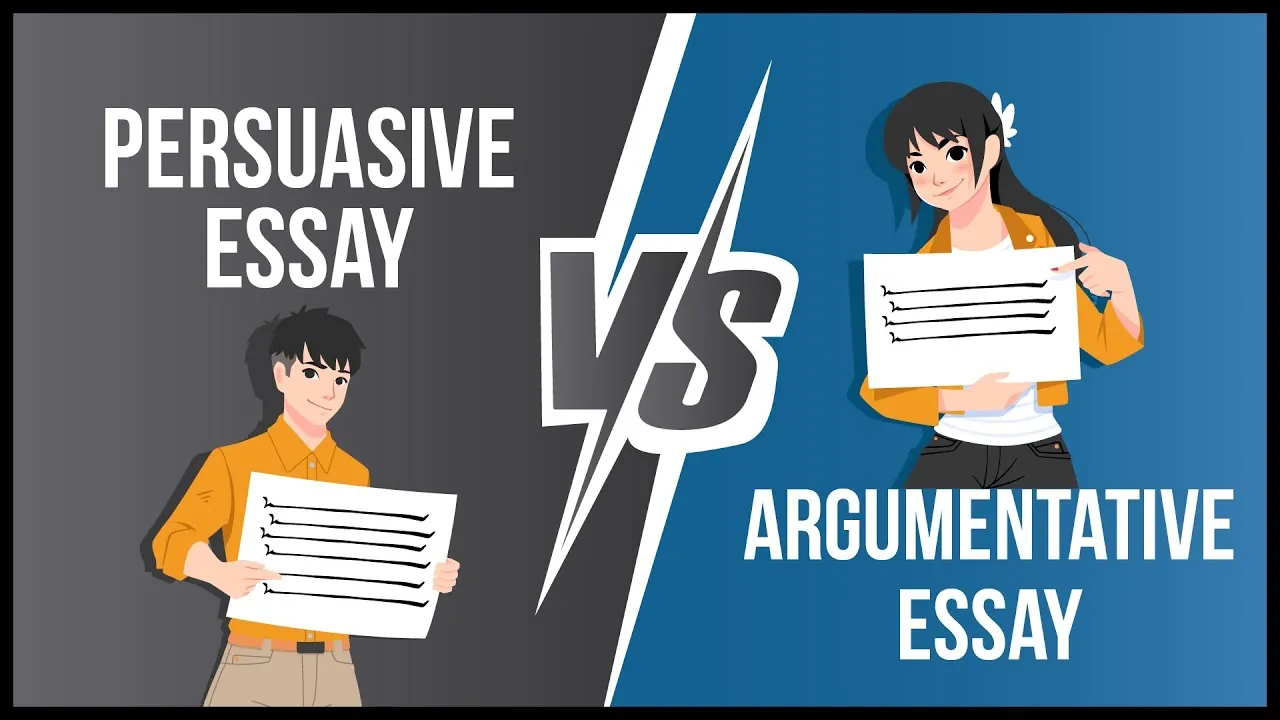
Persuasive Essay vs Argumentative Essay Explained

Persuasive Essay vs Argumentative Essay

Many students in Ohio struggle to understand the difference between a persuasive essay and argumentative essay, especially when deadlines are tight and grading rubrics feel unclear. These two essay types look similar on the surface, but they serve different academic purposes and require different writing strategies. Understanding the distinction early can save time, reduce revisions, and significantly improve grades. Using powerful hook ideas at the beginning of your essay helps grab the reader’s attention, whether the assignment is persuasive or argumentative. Why This Confusion Is So Common in US Classrooms In US academic writing, especially at high school and college levels, instructors often expect students to already know essay categories. Unfortunately, assignment prompts don’t always explain which approach is required. Ohio students frequently encounter confusion because: Both essays aim to influence the reader Both involve claims and supporting points Both are common in humanities and social science courses Yet the expectations behind each type are not the same. What Is a Persuasive Essay? A persuasive essay focuses on convincing the reader to agree with a specific opinion or viewpoint. The writer’s primary goal is influence, not debate. Core Purpose of a Persuasive Essay Persuasive writing appeals to: Logic Emotion Credibility The writer takes a clear position and builds momentum toward agreement. For example, a persuasive essay might encourage readers to support renewable energy policies or adopt better time-management habits as students. Tone and Voice in Persuasive Writing Persuasive essays allow for a more expressive tone. Common characteristics include: Confident language Strategic emotional appeal Direct calls to agreement This style is often used in early college writing, opinion-based assignments, and reflective coursework. What Is an Argumentative Essay? An argumentative essay is grounded in evidence, balance, and critical reasoning. Its goal is not just to persuade, but to prove a claim through structured analysis. Core Purpose of an Argumentative Essay Argumentative writing emphasizes: Research-based claims Consideration of opposing views Logical structure Rather than simply stating an opinion, the writer demonstrates why their position is valid within an academic debate. Understanding definition essay structure can guide students in organizing their thoughts and supporting claims effectively. Tone and Voice in Argumentative Writing Argumentative essays require a more neutral, academic tone. Writers are expected to: Acknowledge counterarguments Use credible sources Avoid emotional language This format is common in Ohio colleges, especially in sociology, political science, philosophy, and advanced English courses. Key Differences Between Persuasive Essay and Argumentative Essay Although both aim to influence thinking, their foundations differ. Evidence vs Emotion A persuasive essay may rely on: Personal examples Ethical reasoning Emotional resonance An argumentative essay relies on: Peer-reviewed sources Data and studies Logical reasoning Both are valid, but instructors expect different support. Role of Counterarguments Persuasive essays may briefly mention opposing views, but they are not central. Argumentative essays must: Present counterarguments fairly Address them logically Strengthen the main claim through rebuttal Ignoring opposing views in an argumentative essay often leads to lower grades. Structural Expectations Persuasive essays often follow a flexible structure focused on impact. Argumentative essays typically include: A clear thesis Background context Evidence-based body paragraphs Counterargument and rebuttal sections Structure is part of the grading criteria. When Professors Expect One Over the Other Understanding instructor intent is critical. Assignment Language Matters Clues in prompts include words like: “Convince,” “argue for,” or “influence” → persuasive “Analyze,” “evaluate,” or “assess” → argumentative Ohio instructors often expect students to recognize these signals independently. Managing college assignments efficiently, especially under tight deadlines, reduces stress and improves the quality of both persuasive and argumentative essays. Course Level Expectations High school and introductory college courses often favor persuasive essays Upper-level college courses usually require argumentative essays The higher the academic level, the stronger the emphasis on research and balance. Choosing the Wrong Essay Type: Why It Hurts Grades Even strong writing can score poorly if the essay type is incorrect. Common consequences include: Instructor comments about weak analysis Lost marks for missing counterarguments Feedback stating the essay is “too opinion-based” This is one of the most common issues academic writing consultants see among Ohio students. How Research Expectations Differ Research depth varies significantly between the two formats. Research in Persuasive Essays Sources may include: General articles Examples Widely accepted facts The focus is supporting a viewpoint, not exploring a debate. Research in Argumentative Essays Sources are expected to be: Scholarly Current Credible Writers must integrate research smoothly and accurately, following US citation standards. Citation and Academic Integrity Both essay types require proper citation, but argumentative essays are scrutinized more closely for source quality. Incorrect or weak sources can undermine the entire argument. Common Mistakes Students Make Understanding common pitfalls helps prevent avoidable revisions. Mixing Emotional Language Into Argumentative Essays Emotional phrasing weakens academic credibility in argumentative writing. Ignoring Opposing Views Failure to address counterarguments signals shallow analysis. Treating Persuasive Essays Like Research Papers Overloading persuasive essays with dense citations can reduce clarity and engagement. How Ohio Students Can Adapt to Instructor Expectations Ohio colleges often emphasize clarity, structure, and academic honesty. Successful students: Ask clarifying questions early Review grading rubrics carefully Match essay type to course level Understanding expectations saves time and stress. How These Essay Types Build Academic Skills Both formats develop essential academic abilities. Persuasive essays strengthen: Confidence in writing Audience awareness Clear expression Argumentative essays strengthen: Critical thinking Research skills Logical reasoning Mastering both prepares students for advanced coursework. Ethical Academic Support for Essay Writing Seeking guidance is common and appropriate, especially under pressure. Ethical support includes: Clarifying essay requirement Improving structure and flow Ensuring proper citations Strengthening arguments Support enhances student work without replacing their ideas. First-year college writing courses often introduce persuasive and argumentative essay formats, helping students build foundational academic skills. Time Pressure and Essay Confusion Many Ohio students balance: Multiple assignments Part-time jobs Family responsibilities Under time pressure, choosing the wrong essay type is easy, and costly. Early clarification and structured guidance prevent last-minute panic. FAQs Q1. What is the main difference between persuasive and argumentative essays? A. Persuasive essays … Read more

Translate »